


Makkah, May 15, 2024 — The Municipality of Makkah has unveiled a comprehensive operational plan for the upcoming Hajj season, mobilizing over 22,000 personnel to ensure the safety, comfort, and well-being of millions of pilgrims expected to arrive in the holy city. The announcement, made via the Saudi Press Agency (SPA), details extensive preparations across sanitation, food safety, infrastructure, and emergency response, underscoring Saudi Arabia’s unwavering commitment to serving pilgrims.
Context and Background
As the Islamic calendar approaches the month of Dhul-Hijjah, the Kingdom of Saudi Arabia annually undertakes massive logistical efforts to accommodate the influx of pilgrims performing Hajj, one of the largest religious gatherings in the world. With the 1445 Hijri year’s Hajj season, the Makkah Municipality has implemented a multi-faceted strategy that integrates human resources with advanced technology. The plan includes 22,000 administrators, engineers, technicians, sanitation workers, and support teams, augmented by hundreds of security personnel, volunteers, and temporary health workers. This robust workforce will operate across 13 sub-municipalities and service centers strategically located in the holy sites.
Key Details
The municipality has assembled a fleet of specialized machinery, including high-tech sanitation vehicles, to manage waste efficiently. A 24-hour cleaning regime will be enforced in high-density areas using overlapping shifts. To handle the expected waste volume, 1,135 electrical waste compression boxes and 113 temporary ground storage warehouses have been prepared in Mina, along with nine large compressor trailers, four transfer stations, and 87,000 waste containers of various sizes. Food safety is another priority: dedicated teams will monitor markets, restaurants, and catering services around the clock, supported by a central laboratory and three mobile laboratories for rapid testing of food samples.
Implications and Impact
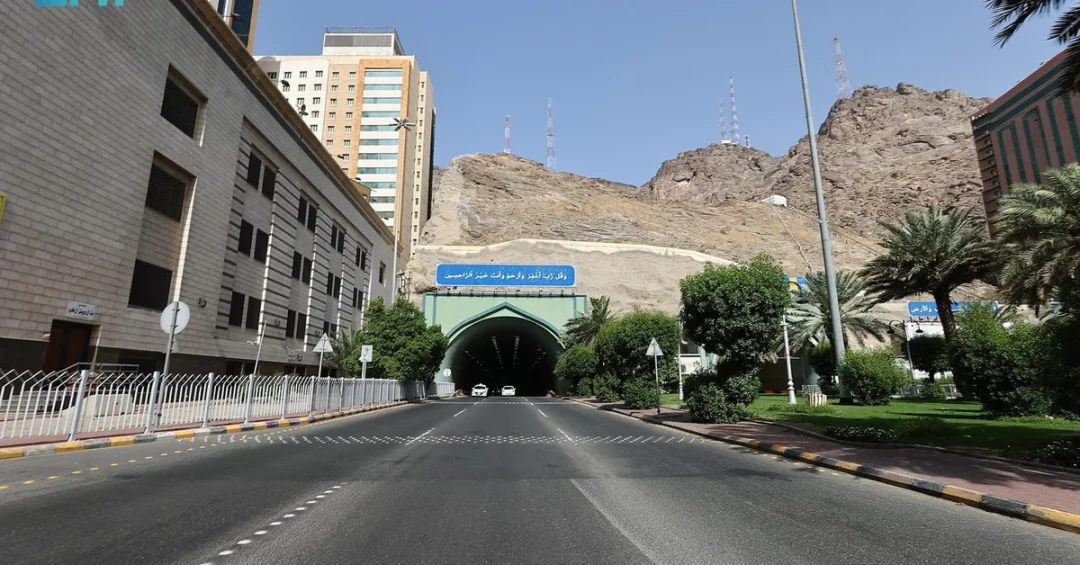
These preparations are crucial for ensuring a smooth and safe Hajj experience for pilgrims from around the globe. The municipality’s coordination with permanent committees overseeing pilgrim residences, building safety, and crowd management ensures seamless operations. The activation of seven slaughterhouses, capable of handling over 1,020,000 animals, reflects the efficiency of the Kingdom’s Project for Utilization of Hady and Adahi. Furthermore, the maintenance of extensive infrastructure—including 66,000 paved roads, 58 tunnels, 105 bridges, a 550-kilometer floodwater drainage network, and over 114,000 lights—demonstrates a commitment to safety and convenience. The presence of an emergency unit and 24/7 support teams underscores the readiness to respond to any incident, enhancing trust in Saudi Arabia’s organizational capabilities.
Vision 2030 Alignment
The Makkah Municipality’s comprehensive preparation aligns seamlessly with Saudi Arabia’s Vision 2030, which prioritizes the continuous improvement of services for pilgrims and umrah visitors as a key objective. By leveraging cutting-edge technology and mobilizing extensive human resources, the Kingdom is not only ensuring a fulfilling spiritual journey but also reinforcing its position as a global leader in hospitality and crisis management. These efforts contribute to the broader goal of enhancing the quality of life and showcasing the Kingdom’s modernity and efficiency, a testament to its dedication to serving Islam’s holiest sites and pilgrims worldwide.
20 Questions
Q1. What is the Makkah Municipality’s plan for Hajj?
A1. The Makkah Municipality has formulated a comprehensive plan to ensure the well-being and comfort of pilgrims during Hajj, involving over 22,000 personnel and advanced technological solutions for sanitation, food safety, and infrastructure.
Q2. How many personnel are mobilized by the municipality?
A2. The municipality has mobilized 22,000 individuals, including administrators, engineers, technicians, sanitation workers, and support teams, to bolster services during Hajj.
Q3. What additional human resources are deployed?
A3. Hundreds of security personnel, volunteers, and temporary health givers are also deployed to further enhance services and ensure a safe environment for pilgrims.
Q4. What role does technology play in the plan?
A4. Cutting-edge technology is crucial, with specialized machinery like high-tech sanitation vehicles, and 13 sub-municipalities equipped with modern service centers to address any need.
Q5. How will waste be managed during Hajj?
A5. Waste management includes 1,135 electrical waste compression boxes, 113 temporary storage warehouses in Mina, nine large compressor trailers, transfer stations, and 87,000 waste containers.
Q6. What is the cleaning regime in high-density areas?
A6. A 24-hour cleaning regime is adopted in high-density areas, using overlapping shifts to ensure continuous cleanliness.
Q7. How is food safety ensured for pilgrims?
A7. Dedicated teams monitor markets, restaurants, and catering services 24/7, and a central laboratory analyzes food samples, with three mobile laboratories in high-traffic areas.
Q8. What coordination efforts are in place?
A8. The municipality coordinates with permanent committees on pilgrim residences, building safety, and negative behavior near the Grand Mosque, and with joint committees for regulatory coordination.
Q9. What seasonal committees are involved?
A9. Seasonal committees oversee crowd management, pilgrim dispatching, metro line operations, and public transport supervision to ensure seamless operations.
Q10. How many slaughterhouses are operating?
A10. Seven slaughterhouses operate at high capacity, adhering to the highest hygiene standards, with capability to handle over 1,020,000 animals during Hajj.
Q11. What infrastructure is maintained in Makkah?
A11. The municipality maintains 66,000 paved roads, 58 tunnels, 105 bridges, a 550-kilometer floodwater drainage network, and over 114,000 lights.
Q12. How are public facilities maintained?
A12. Public facilities like restrooms, parks, and amenities are continuously maintained by assigned contractors to ensure high service standards throughout the season.
Q13. How does the municipality participate in security operations?
A13. Municipality representatives actively participate in the operations rooms of Public Security, Civil Defense, and Emergency Forces to enhance coordination.
Q14. How are reports from the public handled?
A14. Dedicated technical teams respond swiftly to reports received through the municipality’s operations room.
Q15. What emergency preparations are in place?
A15. A well-equipped emergency unit and support teams stand ready 24/7 to deal with fires, building collapses, and rain-related incidents, in coordination with authorities.
Q16. How many sub-municipalities are involved?
A16. Thirteen sub-municipalities and service centers are strategically equipped across the holy sites to address any need that may arise.
Q17. What is the project for utilization of Hady and Adahi?
A17. The Kingdom’s Project for Utilization of Hady and Adahi ensures slaughterhouses operate efficiently, handling over a million animals with high hygiene standards.
Q18. How does the plan support pilgrim comfort?
A18. The plan ensures clean environments, safe food, and maintained infrastructure, all contributing to a safe and fulfilling Hajj experience for pilgrims.
Q19. How does this align with Saudi Arabia’s goals?
A19. The preparations align with Vision 2030 by enhancing services for pilgrims, showcasing technological advancement and commitment to hospitality, boosting tourism and global image.
Q20. What is the overall significance of these preparations?
A20. The comprehensive preparations underscore Saudi Arabia’s commitment to serving millions of pilgrims, ensuring their safety and comfort, and reinforcing the Kingdom’s role as a leader in Islamic hospitality.
Reader Feedback
We value your thoughts. Please share your feedback on this article.
Your feedback helps us improve our coverage.