


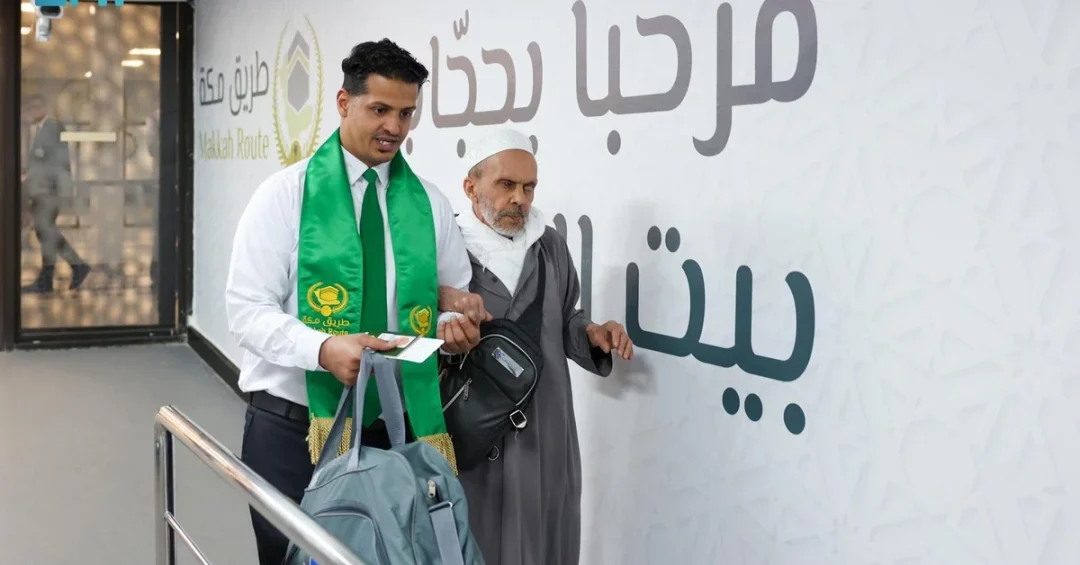
The Makkah Route Initiative, a flagship program of the Saudi Ministry of Interior, has successfully concluded its work in the Kingdom of Morocco. This milestone was reached after all beneficiaries of the initiative arrived in the Kingdom of Saudi Arabia to perform the Hajj rituals of 1445 AH, as reported by the Saudi Press Agency (SPA) on June 13, 2024.
Context and Background
The Makkah Route Initiative is a key component of the Pilgrim Experience Program, one of the programs launched under Saudi Arabia’s Vision 2030. It aims to transform the pilgrimage experience by providing seamless services to pilgrims from the moment they depart their home countries until they reach their residences in the holy cities of Makkah and Madinah. By integrating advanced technology and streamlined logistics, the initiative embodies the Kingdom’s dedication to serving its guests with excellence.
Key Details of the Initiative
The initiative operated dedicated lounges in 11 airports across 7 countries: Morocco, Indonesia, Malaysia, Pakistan, Bangladesh, Türkiye, and Côte d’Ivoire. These lounges offered a comprehensive array of services, including the electronic issuance of Hajj visas, biometric fingerprinting, verification of health requirements, and systematic coding and sorting of luggage. Pilgrims were then transferred directly to buses and taken to their designated housing in Makkah and Madinah, while partner agencies ensured the safe delivery of their luggage.
The streamlined process eliminated traditional bottlenecks at Saudi airports, allowing pilgrims to arrive and settle in with minimal stress. According to officials, this initiative not only enhances the comfort of pilgrims but also demonstrates Saudi Arabia’s technological advancement and logistical expertise in managing one of the largest religious gatherings globally.
Implications and International Impact
The successful conclusion of the initiative in Morocco and other participating nations underscores Saudi Arabia’s growing role as a global leader in hospitality and humanitarian service. By easing the journey for pilgrims, the Kingdom strengthens its diplomatic ties with Muslim-majority nations and sets a precedent for future innovations in pilgrimage management. The program’s efficiency reflects positively on the Kingdom’s broader ambitions to become a hub for tourism and global events.
Vision 2030 Alignment
This initiative is a direct embodiment of the goals of Vision 2030, particularly the enhancement of the pilgrimage experience to accommodate a growing number of visitors. As part of the Pilgrim Experience Program, the Makkah Route Initiative exemplifies the strategic shift towards digitalization and high-quality service delivery. By completing its work successfully, the initiative reinforces Saudi Arabia’s commitment to not only preserving but elevating the sacred tradition of Hajj in the 21st century. It also showcases the tangible progress being made in realizing the ambitions of Vision 2030, which aims to transform the Kingdom into a global center of Islamic culture and tourism.
20 Questions
Q1. What is the Makkah Route Initiative?
A1. The Makkah Route Initiative is a service program under Saudi Arabia’s Ministry of Interior and part of the Pilgrim Experience Program. It aims to simplify and enhance the journey of Hajj pilgrims, starting from their countries of origin.
Q2. Which countries benefit from this initiative?
A2. The initiative serves pilgrims from seven countries: Morocco, Indonesia, Malaysia, Pakistan, Bangladesh, Türkiye, and Côte d’Ivoire, with dedicated facilities in 11 airports across these nations.
Q3. When did the initiative conclude its work in Morocco?
A3. The initiative concluded its work in Morocco after all beneficiaries had arrived in Saudi Arabia for Hajj, as announced on June 13, 2024, by the Saudi Press Agency.
Q4. What is the role of the Ministry of Interior?
A4. The Ministry of Interior oversees the initiative, ensuring that all logistical and security aspects are managed seamlessly, from visa issuance to the safe transport of pilgrims.
Q5. How does the initiative relate to Vision 2030?
A5. Vision 2030 aims to enhance the spiritual experience of pilgrims and increase service quality. This initiative is part of the Pilgrim Experience Program, a component of Vision 2030’s goal to host 30 million Umrah pilgrims by 2030.
Q6. What services are provided in the lounges?
A6. Services include electronic visa issuance, biometrics fingerprinting, health requirement checks, luggage coding and sorting, and direct transport arrangements to Makkah and Madinah.
Q7. Why is the initiative significant for pilgrims?
A7. It reduces stress and delays, allowing pilgrims to begin their spiritual journey immediately upon arrival in Saudi Arabia, and ensuring their luggage is delivered to their residences.
Q8. How does this initiative support Saudi leadership?
A8. It positions Saudi Arabia as a pioneer in using technology to provide services for global Muslims, reinforcing its leadership in the Islamic world and beyond.
Q9. Which partner agencies handle luggage delivery?
A9. Partner agencies are responsible for delivering the sorted luggage directly to the pilgrims’ accommodations in Makkah and Madinah, ensuring no burden on them.
Q10. How many airports are involved?
A10. A total of 11 airports across the 7 participating countries have dedicated lounges for the initiative, including in Morocco.
Q11. What is the benefit of pre-departure procedures?
A11. Pre-departure procedures ensure that pilgrims complete all requirements in their home country, minimizing waiting and bureaucracy in Saudi Arabia, making the experience efficient.
Q12. How does the initiative affect the pilgrimage economy?
A12. It encourages a smoother, more reliable experience, potentially increasing pilgrimage numbers and boosting Saudi Arabia’s related economy, aligned with Vision 2030 goals.
Q13. Is there a health component?
A13. Yes, verifying the availability of health requirements is essential, ensuring that all pilgrims are fit and have the necessary vaccinations, which aligns with public health priorities.
Q14. How is the luggage coded?
A14. Luggage is coded and sorted according to the transportation and housing arrangements in the Kingdom, so it can be sent directly to the correct locations.
Q15. What does the success of the initiative mean for the future?
A15. It is likely to expand to more countries and develop further technological solutions, setting a new standard for pilgrimage management.
Q16. What is the role of the Pilgrim Experience Program?
A16. It is the overarching program that includes the Makkah Route Initiative, aimed at enriching the spiritual journey, and is overseen by the Ministry of Interior.
Q17. How does the initiative ensure safety?
A17. By using biometrics and pre-screening, security is enhanced, as pilgrims are known and vetted before they arrive, contributing to a safe environment.
Q18. What are the accommodations for the pilgrims?
A18. They are moved directly to buses to take them to their residences in Makkah and Madinah, which are prepared and designated routes.
Q19. Does the initiative benefit only Moroccans?
A19. No, it covers 7 countries, so it benefits many nationalities, and it is expected to expand to more countries in the future.
Q20. Why is this a key project for Saudi Arabia?
A20. It represents the Kingdom’s commitment to serving Islam’s most sacred rites, showcasing innovation, and fulfilling the Vision 2030 pledge to offer the best service to all pilgrims.
Reader Feedback
We value your thoughts. Please share your feedback on this article.
Your feedback helps us improve our coverage.