


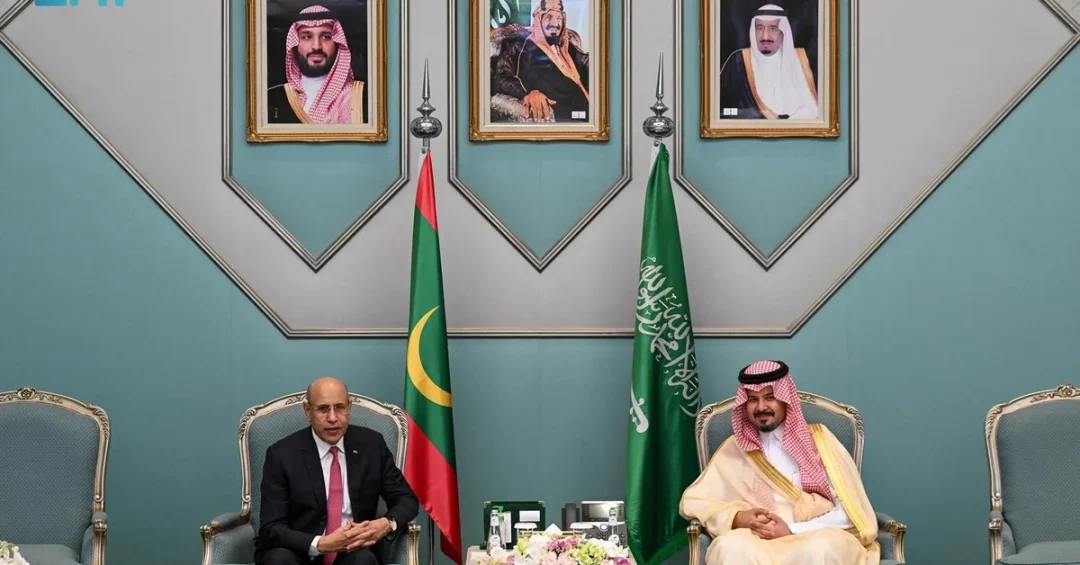
President Mohamed Ould Cheikh Ghazouani of the Islamic Republic of Mauritania departed Madinah on November 10, 2024, following a visit to the Prophet’s Mosque where he performed prayers, according to the Saudi Press Agency (SPA). The Mauritanian leader was seen off at Prince Mohammed bin Abdulaziz International Airport by Prince Salman bin Sultan bin Abdulaziz, Governor of the Madinah Region, alongside several other senior Saudi officials. The visit underscores the enduring spiritual and diplomatic ties between the Kingdom of Saudi Arabia and the Islamic Republic of Mauritania, and highlights the Kingdom’s role as a host for Muslim leaders from around the world.
Why does a presidential visit to the Prophet’s Mosque resonate far beyond the borders of Saudi Arabia? For millions of Muslims worldwide, Madinah represents a pinnacle of spiritual devotion, and when a head of state travels there, it signals both personal faith and a nation’s respect for Islamic heritage. President Ghazouani’s visit is a testament to the deep-rooted relationship between Saudi Arabia and Mauritania, a relationship built on shared religious values, mutual respect, and growing economic cooperation. The official send-off by Prince Salman bin Sultan bin Abdulaziz, a senior member of the Saudi leadership, further elevates the significance of the occasion, reflecting the Kingdom’s commitment to honoring its guests with the highest level of hospitality and protocol.
Context and Background
What makes this visit particularly noteworthy in the broader context of Saudi-Mauritanian relations? The Islamic Republic of Mauritania, located in West Africa, has long maintained fraternal ties with the Kingdom of Saudi Arabia, rooted in shared Islamic faith and a history of diplomatic engagement. President Mohamed Ould Cheikh Ghazouani, who assumed office in August 2019, has prioritized strengthening bilateral relations with Gulf nations, including Saudi Arabia, as part of his broader foreign policy strategy. His visit to Madinah follows a tradition of Mauritanian leaders seeking spiritual solace and diplomatic engagement in the Kingdom’s holy cities.
The Prophet’s Mosque, known as Al-Masjid an-Nabawi, is the second holiest site in Islam and attracts millions of pilgrims annually. For President Ghazouani, performing prayers there is both a personal religious duty and a symbolic act that reinforces the spiritual bond between Mauritania and Saudi Arabia. The Kingdom, under the leadership of the Custodian of the Two Holy Mosques, King Salman bin Abdulaziz Al Saud, and Crown Prince Mohammed bin Salman, has consistently facilitated such visits, ensuring that Muslim leaders are received with the utmost respect and care. This visit also reflects the Kingdom’s broader efforts to enhance its role as a global hub for Islamic diplomacy and pilgrimage.
Historically, Saudi-Mauritanian relations have been characterized by cooperation in areas such as education, trade, and development. Saudi Arabia has provided scholarships to Mauritanian students, supported infrastructure projects, and contributed to humanitarian initiatives in the country. In recent years, both nations have explored opportunities to expand economic ties, particularly in mining, agriculture, and renewable energy. President Ghazouani’s visit, while primarily spiritual, also serves as an opportunity to reaffirm these growing partnerships and to discuss matters of mutual interest in an informal setting.
Key Details of the Visit
What were the key moments of President Ghazouani’s visit to Madinah? According to the Saudi Press Agency, the Mauritanian President performed prayers at the Prophet’s Mosque, a ritual that holds profound significance for Muslims. He was then escorted to Prince Mohammed bin Abdulaziz International Airport, where he was seen off by Prince Salman bin Sultan bin Abdulaziz, Governor of the Madinah Region, and several other officials. The presence of such high-ranking figures at the departure ceremony highlights the importance Saudi Arabia places on its relationship with Mauritania and its leader.
The send-off at the airport was marked by formal ceremonies, including a guard of honor and the playing of national anthems, though specific details were not disclosed in the official report. The Governor of Madinah, Prince Salman bin Sultan bin Abdulaziz, has been instrumental in overseeing the region’s development and ensuring that visitors to the holy city receive exceptional hospitality. His personal attendance at the departure reflects the Kingdom’s unwavering commitment to maintaining strong ties with Islamic nations and their leaders.
While the official statement did not elaborate on any additional meetings or agreements, such visits often provide opportunities for informal discussions on bilateral cooperation. President Ghazouani’s itinerary may have included conversations with Saudi officials about enhancing collaboration in areas such as pilgrimage services, trade, and investment. The Kingdom’s Vision 2030 reform agenda, which aims to diversify the economy and boost international engagement, aligns with Mauritania’s own development goals, making such exchanges mutually beneficial.
International and Regional Impact
How does this visit resonate across the wider Islamic world and beyond? President Ghazouani’s presence in Madinah sends a powerful message of unity among Muslim nations. In a time of global challenges, from economic uncertainties to regional conflicts, the sight of a West African leader praying at Islam’s second holiest site reinforces the bonds of faith that transcend geography. It also highlights Saudi Arabia’s pivotal role as a convenor of Islamic diplomacy, a role that the Kingdom has embraced under its Vision 2030 framework.
For Mauritania, the visit strengthens its standing as a bridge between the Arab world and West Africa. President Ghazouani’s engagement with Saudi leadership signals his country’s commitment to deepening ties with the Gulf region, which could lead to increased investment and support for Mauritania’s development projects. For Saudi Arabia, hosting leaders like Ghazouani reinforces its position as a global leader in Islamic affairs and a reliable partner for nations seeking spiritual and economic collaboration. The visit also aligns with the Kingdom’s efforts to promote moderate Islam and interfaith dialogue, principles that are central to its foreign policy.
Economic and Strategic Significance
What economic and strategic benefits might stem from this visit? While the official report focused on the spiritual aspects, the underlying economic and strategic dimensions are noteworthy. Saudi Arabia and Mauritania have been exploring avenues to boost trade, particularly in sectors such as mining, where Mauritania holds significant reserves of iron ore, gold, and copper. Saudi investment in these areas could contribute to Mauritania’s economic growth while providing the Kingdom with access to valuable resources. Additionally, cooperation in renewable energy, especially solar and wind, presents opportunities for both nations to advance their sustainability goals.
Strategically, the visit reinforces Saudi Arabia’s influence in West Africa, a region of growing geopolitical importance. By maintaining strong ties with Mauritania, the Kingdom can enhance its role as a stabilizing force and a partner for development. For Mauritania, aligning with Saudi Arabia offers diplomatic support and potential investment, which are crucial for its own Vision 2030-style reforms aimed at economic diversification. The visit also underscores the importance of people-to-people ties, as Mauritanian pilgrims continue to visit the Kingdom for Hajj and Umrah, contributing to the exchange of ideas and cultural understanding.
Vision 2030 Alignment
How does President Ghazouani’s visit align with Saudi Arabia’s Vision 2030? Vision 2030 seeks to transform the Kingdom into a global hub for tourism, business, and Islamic heritage, and hosting international leaders like President Ghazouani is a direct manifestation of that goal. The visit showcases Saudi Arabia’s ability to provide world-class hospitality and spiritual experiences, which are key pillars of the Vision’s tourism and cultural objectives. It also strengthens the Kingdom’s diplomatic network, which is essential for attracting investment and fostering international partnerships.
Moreover, the visit highlights the Kingdom’s commitment to serving the Guests of God, a responsibility that is central to its identity and a source of immense pride. By facilitating the spiritual journeys of leaders like President Ghazouani, Saudi Arabia reinforces its role as the heart of the Islamic world. As Vision 2030 continues to unfold, such visits will remain a vital component of the Kingdom’s efforts to build bridges with nations across the globe, promote moderate Islam, and drive economic diversification. The departure of President Ghazouani from Madinah is not just a farewell; it is a reaffirmation of the enduring friendship between Saudi Arabia and Mauritania and a step forward in the Kingdom’s journey toward a brighter future.
20 Questions
Q1. Who is President Mohamed Ould Cheikh Ghazouani?
A1. He is the President of the Islamic Republic of Mauritania, having assumed office in August 2019. He is known for his efforts to strengthen ties with Gulf nations, including Saudi Arabia, and for his focus on economic development and regional cooperation.
Q2. What did President Ghazouani do in Madinah?
A2. He visited the Prophet’s Mosque and performed prayers, a significant spiritual act for Muslims. He was then seen off at Prince Mohammed bin Abdulaziz International Airport by Saudi officials, concluding his visit to the holy city.
Q3. Who saw off President Ghazouani at the airport?
A3. Prince Salman bin Sultan bin Abdulaziz, Governor of the Madinah Region, along with several other officials, saw off the Mauritanian President. This reflects the high level of respect and protocol extended by the Kingdom.
Q4. When did this visit take place?
A4. The visit took place on November 10, 2024, according to the Saudi Press Agency. The departure was reported at 21:23 local time, marking the end of a spiritually significant journey.
Q5. Why is the Prophet’s Mosque significant?
A5. The Prophet’s Mosque, Al-Masjid an-Nabawi, is the second holiest site in Islam. It attracts millions of pilgrims annually and holds deep spiritual meaning for Muslims worldwide, making visits by leaders particularly noteworthy.
Q6. What is the nature of Saudi-Mauritanian relations?
A6. Saudi Arabia and Mauritania share strong fraternal ties rooted in Islamic faith and mutual respect. They cooperate in education, trade, and development, with Saudi Arabia providing scholarships and supporting infrastructure projects in Mauritania.
Q7. How does this visit impact regional diplomacy?
A7. The visit reinforces Saudi Arabia’s role as a convener of Islamic diplomacy and strengthens Mauritania’s ties with the Gulf. It promotes unity among Muslim nations and opens avenues for economic and strategic cooperation.
Q8. What economic opportunities does this visit highlight?
A8. It highlights potential cooperation in mining, renewable energy, and trade. Saudi investment in Mauritania’s resources and joint sustainability projects could benefit both nations, aligning with their economic diversification goals.
Q9. How does this visit align with Saudi Vision 2030?
A9. The visit supports Vision 2030’s goals of enhancing tourism, Islamic heritage, and international partnerships. It showcases the Kingdom’s ability to host world leaders and provide exceptional spiritual experiences, key to its global outreach.
Q10. What message does this visit send to the Islamic world?
A10. It sends a message of unity and shared faith, demonstrating that Muslim leaders stand together. It also highlights Saudi Arabia’s commitment to serving Islam and fostering solidarity among nations.
Q11. Did President Ghazouani meet with Saudi leaders during his visit?
A11. The official report did not specify any meetings beyond the airport send-off. However, such visits often include informal discussions on bilateral issues, though no details were released by the Saudi Press Agency.
Q12. What is the significance of the Governor of Madinah’s presence?
A12. Prince Salman bin Sultan bin Abdulaziz’s presence underscores the Kingdom’s respect for Mauritania and its leader. It reflects the high protocol afforded to visiting heads of state and the importance of Madinah as a spiritual destination.
Q13. How does this visit affect Mauritanian pilgrims?
A13. It reinforces the strong ties that facilitate Mauritanian pilgrims’ access to the holy sites. Saudi Arabia’s hospitality and efficient services ensure that pilgrims from Mauritania and other nations can perform their religious duties comfortably.
Q14. What are the key sectors for Saudi-Mauritanian cooperation?
A14. Key sectors include mining, agriculture, renewable energy, and education. Saudi Arabia has invested in Mauritanian infrastructure and provided scholarships, while both nations explore new avenues for trade and development.
Q15. How does this visit reflect Saudi Arabia’s leadership in the Islamic world?
A15. It demonstrates the Kingdom’s role as a unifying force, hosting leaders and facilitating spiritual journeys. Saudi Arabia’s custodianship of the holy sites and its diplomatic outreach reinforce its leadership position.
Q16. What is the historical context of Saudi-Mauritanian ties?
A16. The ties date back decades, built on shared Islamic values and mutual support. Saudi Arabia has consistently supported Mauritania’s development, and the two nations collaborate in international forums on issues of common interest.
Q17. Could this visit lead to new agreements?
A17. While no agreements were announced, the visit lays the groundwork for future cooperation. Informal discussions may pave the way for formal partnerships in trade, investment, and cultural exchange, benefiting both nations.
Q18. How does the visit impact West Africa?
A18. It strengthens Saudi Arabia’s engagement with West Africa, positioning the Kingdom as a key partner for development. For Mauritania, it enhances its role as a bridge between the Arab world and Africa, fostering regional stability.
Q19. What role does the Saudi Press Agency play in reporting such visits?
A19. The Saudi Press Agency (SPA) is the official news agency of Saudi Arabia, providing accurate and timely information on state events. Its reports ensure transparency and serve as a reliable source for international media.
Q20. What does this visit mean for the future of Saudi-Mauritanian relations?
A20. It signals a continued strengthening of ties, with potential for deeper cooperation in economic, cultural, and religious spheres. The visit reaffirms the enduring friendship and shared aspirations of both nations under Saudi Vision 2030.
Reader Feedback
We value your thoughts. Please share your feedback on this article.
Your feedback helps us improve our coverage.
Related articles
 KSrelief Continues Food Distribution in Northern Gaza
 KSrelief Clinics Serve 2,483 Refugees in Jordan’s Zaatari Camp
 Algerian President’s Envoy Arrives in Riyadh for Arab-Islamic Summit
 Saudi Summit Call Crucial to Halting Gaza, Lebanon Bloodshed
 Ministry of Interior Joins Cityscape Global 2024 in Riyadh
 Saudi Media Oasis Opens Alongside Arab and Islamic Summit