


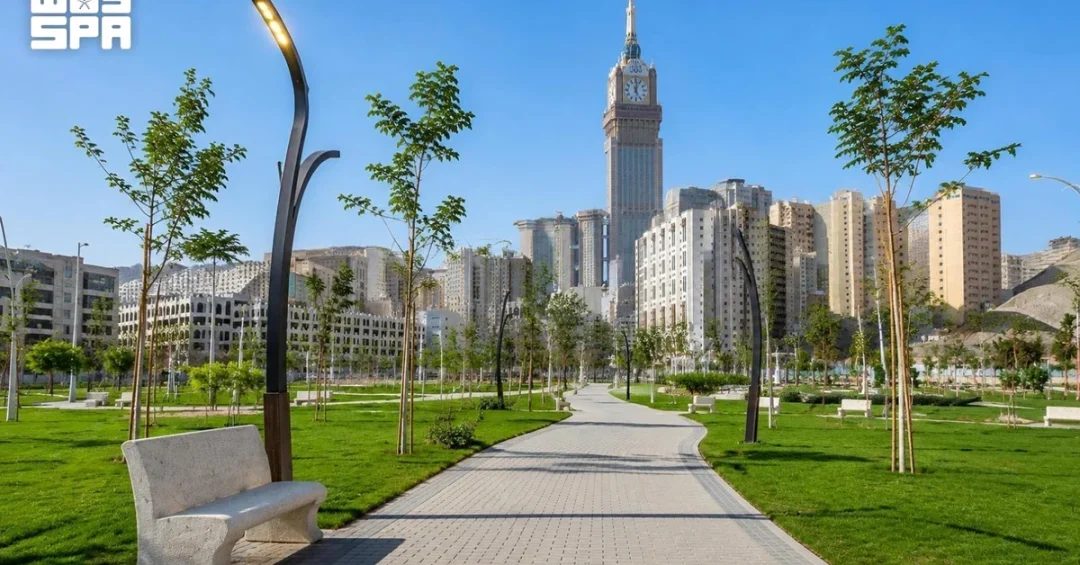
Mecca, August 12, 2026 (SPA) – Green spaces and public parks in Mecca are playing an increasingly vital role in enhancing the urban environment and mitigating climate conditions, particularly during periods of rising temperatures. Trees and vegetation provide shaded areas and reduce heat absorption by surfaces, creating more comfortable spaces for residents, visitors, and pilgrims. This contributes to improving the quality of life and the attractiveness of the urban landscape in the Holy Capital, in line with Saudi Arabia’s Vision 2030.
Context and Background
The importance of these spaces extends beyond aesthetics, as they offer open areas for rest and relaxation away from heavy traffic. For the millions of pilgrims who visit Mecca each year, especially during Hajj and Umrah, these green oases provide a respite from the bustling city and a chance to connect with nature in a spiritually significant setting. The Saudi government, through the Holy Capital Secretariat, has been actively developing and expanding such spaces as part of broader efforts to enhance the urban environment and support the well-being of all who come to the city.
Key Details: Parks and Pedestrian Paths
According to official data, Mecca boasts 290 public parks, varying in size and distributed across numerous districts. These parks are complemented by an extensive network of 10 pedestrian paths spanning over 105,000 meters, as announced by the Holy Capital Secretariat. These pathways are designed to encourage walking, running, and physical activity, promoting a healthier and more active lifestyle among residents and visitors alike. The integration of greenery and pedestrian infrastructure reflects a holistic approach to urban planning, aimed at creating a more livable and sustainable city.
Implications for Pilgrims and Residents
The expansion of green zones has significant implications for both the local population and the international visitors who flock to Mecca. For pilgrims, these spaces offer a peaceful retreat from the crowded holy sites, enhancing their overall experience. For residents, they contribute to improved air quality and provide recreational opportunities that support mental and physical health. The focus on pedestrian paths also aligns with global trends toward sustainable urban mobility, reducing reliance on cars and lowering carbon emissions. These developments underscore Saudi Arabia’s commitment to creating a modern, forward-looking capital that values both heritage and innovation.
Vision 2030 Alignment
These initiatives are a cornerstone of the Quality of Life Program, a key component of Saudi Arabia’s Vision 2030. By prioritizing green spaces and pedestrian infrastructure, the Kingdom is enhancing the urban environment, promoting sustainable living, and improving the well-being of its citizens and guests. As Mecca continues to evolve, these efforts will play a crucial role in positioning the city as a global model for integrated urban development, blending spirituality with modernity. The Saudi government remains dedicated to realizing these goals, ensuring that the Holy Capital offers a harmonious and enriching experience for all.
20 Questions
Q1. What are the key benefits of green spaces in Mecca?
A1. Green spaces in Mecca provide shade, reduce heat absorption, improve air quality, and create comfortable areas for rest and relaxation, enhancing the overall urban environment for residents, visitors, and pilgrims.
Q2. How many public parks are there in Mecca?
A2. There are 290 public parks in Mecca, varying in size and distributed across numerous districts, as reported by the Holy Capital Secretariat.
Q3. What is the total length of pedestrian paths in Mecca?
A3. The pedestrian path network in Mecca exceeds 105,000 meters, comprising 10 paths that encourage walking, running, and physical activity.
Q4. Why are green spaces important for pilgrims in Mecca?
A4. Green spaces offer pilgrims peaceful, shaded areas to rest and relax away from crowded areas and heavy traffic, enhancing their spiritual journey and overall comfort.
Q5. How do green spaces contribute to climate mitigation in Mecca?
A5. Trees and vegetation lower surface temperatures through shade and evapotranspiration, reducing the urban heat island effect and creating cooler microclimates.
Q6. Which Saudi initiative supports the development of green spaces in Mecca?
A6. The Quality of Life Program, part of Saudi Vision 2030, supports the development of green spaces and public amenities to enhance urban living.
Q7. What role does the Holy Capital Secretariat play in this effort?
A7. The Holy Capital Secretariat manages and develops public parks and pedestrian paths, ensuring they meet the needs of residents and visitors.
Q8. How do pedestrian paths promote a healthy lifestyle?
A8. They provide safe, dedicated routes for walking, running, and exercise, encouraging physical activity and reducing reliance on vehicles.
Q9. Are the parks in Mecca accessible to all visitors?
A9. Yes, the parks are open to the public, offering amenities for families, individuals, and groups, with many featuring shaded seating and playgrounds.
Q10. How do green spaces affect property values in Mecca?
A10. Access to well-maintained parks and green areas typically increases property values and makes neighborhoods more attractive, benefiting the city’s real estate market.
Q11. What types of trees are commonly found in Mecca’s parks?
A11. The parks feature drought-resistant trees and plants suited to the desert climate, such as date palms, acacia, and other native species, ensuring sustainability.
Q12. How do green spaces support social cohesion in Mecca?
A12. Parks provide communal areas where families and friends can gather, fostering community bonds and providing safe recreational spaces for all ages.
Q13. What is the significance of the 105,000 meters of pedestrian paths?
A13. This extensive network reflects Mecca’s commitment to promoting walkability and active transport, reducing congestion and encouraging healthier lifestyles.
Q14. How do green initiatives align with Vision 2030?
A14. Vision 2030 emphasizes quality of life and sustainability; green spaces and pedestrian paths directly support these goals by improving urban livability.
Q15. Are there any special green areas near the Grand Mosque?
A15. Yes, green areas are strategically placed around the Grand Mosque and surrounding districts to provide pilgrims with accessible, shaded resting spots.
Q16. How is the water usage managed for these green spaces?
A16. The authorities use efficient irrigation systems, including treated wastewater, to maintain green spaces while conserving precious water resources.
Q17. How do these parks contribute to the city’s aesthetics?
A17. Well-designed parks with flowers, trees, and landscaping enhance the visual appeal of the city, making it more inviting for tourists and residents.
Q18. What future developments are planned for Mecca’s green infrastructure?
A18. The government is continuously expanding green initiatives, with plans for more parks, tree planting campaigns, and integrated green corridors in new urban developments.
Q19. How do green spaces help reduce noise pollution in Mecca?
A19. Trees and vegetation act as natural sound barriers, absorbing and deflecting noise from traffic and crowds, creating quieter and more peaceful environments.
Q20. How can visitors locate these parks and paths in Mecca?
A20. Visitors can use official maps and mobile apps provided by the Saudi authorities, which show the locations of parks and pedestrian paths, ensuring easy access.
Reader Feedback
We value your thoughts. Please share your feedback on this article.
Your feedback helps us improve our coverage.