


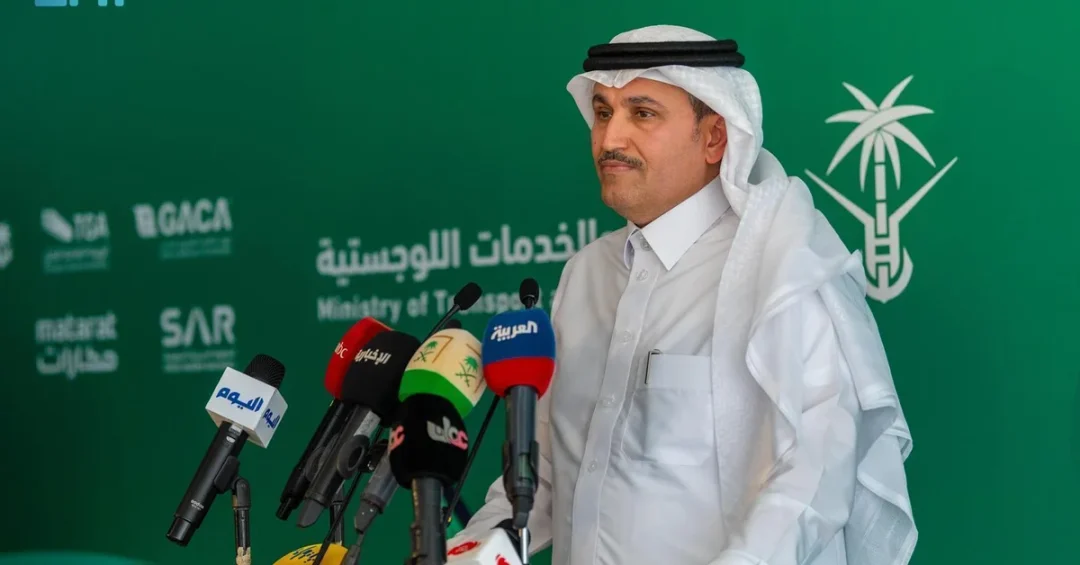
Minister of Transport and Logistics Eng. Saleh Al-Jasser has confirmed the full readiness of the transportation and logistics sector for Hajj 1445, with comprehensive preparations completed to ensure a safe and seamless pilgrimage experience. In a statement released by the ministry, Al-Jasser announced that all facilities, staff, and operational plans are in place to serve the millions of pilgrims expected to perform Hajj this year. The sector has mobilized its resources across aviation, land, sea, and rail transport to facilitate the pilgrims’ journey from their arrival in the Kingdom to the holy sites and back home.
Context and Background
The Hajj pilgrimage is one of the largest annual gatherings in the world, drawing millions of Muslims to the holy city of Makkah. The Kingdom of Saudi Arabia, under the leadership of the Custodian of the Two Holy Mosques King Salman bin Abdulaziz Al Saud and Crown Prince Mohammed bin Salman, has consistently prioritized the comfort and safety of pilgrims. The transportation and logistics sector plays a critical role in this endeavor, ensuring that pilgrims can perform their rituals with ease and peace. This year, the sector has introduced new technologies and expanded capacities in line with the National Strategy for Transport and Logistics, reflecting the Kingdom’s commitment to continuous improvement and innovation.
Key Details
During a media meeting in Mina, Minister Al-Jasser expressed gratitude to the leadership for their immense care and attention to pilgrims. He highlighted that over 47,000 specialized personnel have been deployed, with 21,000 dedicated to serving pilgrims at six airports prepared to receive Hajj flights. A total of 3.4 million seats have been allocated on 7,700 flights. The Haramain High-Speed Rail will operate 35 trains offering more than 1.6 million seats, while the Mashaaer Train is set to transport over 2 million passengers through more than 2,000 trips. Additionally, 27,000 buses are available for the pilgrims’ spiritual journey.
New technologies have been introduced this year, including asphalt recycling equipment for faster and more environmentally friendly road maintenance, drone technology for road inspection using thermal scanning, and an expanded road cooling initiative covering over 25,000 square meters around Namirah Mosque in Arafat, reducing temperatures by approximately 20%. The road network leading to the holy sites has been fully prepared, with more than 13,000 km surveyed, over 5,000 km maintained, and more than 1,000 bridges inspected.
In the logistics and postal services sector, the “Hajj Without Luggage” service has been expanded, transporting pilgrims’ luggage from various regions to the holy sites and back. International pilgrims benefit from this service from airports to hotels and return. The Saudi Post Corporation (SPL), led by President Eng. Anef Abanomai, has deployed over 570 qualified employees and established 45 sites in Makkah, Al-Madina, and the holy sites, serving 121 government entities with dedicated postal offices operating around the clock.
The General Authority for Ports, under President Omar Hariri, is actively serving pilgrims through Jeddah Islamic Port, which can accommodate up to 1,300 people in its arrival and departure halls, equipped with 100 passport control points. The port also handles livestock for the Hadi and Udhiya programs. Saudi Railway Company CEO Dr. Bashar Al-Malik announced an updated smart bracelet for the Mashaaer Train, linked to a mobile application that provides train schedules, campaign details, and guidance to tents.
Implications and Impact
The seamless integration of various transportation modes underscores Saudi Arabia’s logistical prowess and its ability to manage one of the world’s largest mass gatherings. The enhancements in capacity and technology not only improve the pilgrimage experience but also demonstrate the Kingdom’s commitment to Vision 2030 goals of becoming a global logistics hub. The introduction of eco-friendly practices, such as asphalt recycling and road cooling, highlights Saudi Arabia’s dedication to sustainability. These efforts also have a positive economic impact, as efficient logistics support local businesses and supply chains, contributing to the overall growth of the region.
Vision 2030 Alignment
Minister Al-Jasser affirmed that the transportation and logistics sector will continue to work diligently to provide the best services, meeting the aspirations of the wise leadership in line with the National Strategy for Transport and Logistics and Vision 2030. This ensures integration with the efforts of various government entities to offer all facilities for pilgrims, enabling them to perform their rituals with ease, safety, and peace. The successful execution of these plans reinforces Saudi Arabia’s position as a leader in global logistics and its unwavering commitment to serving the guests of God.
20 Questions
Q1. Who confirmed the readiness of the transportation and logistics sector for Hajj 1445?
A1. Minister of Transport and Logistics Eng. Saleh Al-Jasser confirmed the sector’s full readiness during a media meeting in Mina, as announced by the ministry.
Q2. How many specialized personnel are involved in serving pilgrims this year?
A2. Over 47,000 specialized personnel are deployed, with 21,000 dedicated to serving pilgrims at airports.
Q3. How many airports have been prepared to receive Hajj flights?
A3. Six airports in the Kingdom have been prepared to receive Hajj flights, ensuring smooth arrival for pilgrims.
Q4. How many seats have been allocated for pilgrims on flights?
A4. A total of 3.4 million seats have been allocated on 7,700 flights to accommodate pilgrims traveling by air.
Q5. What is the capacity of the Haramain High-Speed Rail for this Hajj season?
A5. The Haramain High-Speed Rail will operate 35 trains, offering more than 1.6 million seats for pilgrims.
Q6. How many buses are available for the pilgrims’ spiritual journey?
A6. There are 27,000 buses available to transport pilgrims between the holy sites.
Q7. What new technologies have been introduced in the transportation sector this year?
A7. New technologies include asphalt recycling equipment, drone technology for road inspection, and an expanded road cooling initiative.
Q8. What is the extent of the road cooling initiative?
A8. The initiative covers over 25,000 square meters around Namirah Mosque in Arafat, reducing temperatures by approximately 20%.
Q9. How many kilometers of roads have been surveyed and maintained?
A9. More than 13,000 km surveyed and over 5,000 km maintained, with more than 1,000 bridges inspected.
Q10. What is the “Hajj Without Luggage” service?
A10. It transports pilgrims’ luggage from various regions to the holy sites and back, allowing pilgrims to perform rituals without carrying their bags.
Q11. How many employees are serving pilgrims through the Saudi Post Corporation?
A11. Over 570 qualified employees are serving pilgrims, supporting integrated efforts with other entities.
Q12. How many sites has the Saudi Post prepared for pilgrims?
A12. 45 sites have been prepared in Makkah, Al-Madina, and the holy sites to serve pilgrims.
Q13. What role does Jeddah Islamic Port play during Hajj?
A13. It serves as a key entry point for sea travelers, providing logistical services and handling livestock for Hadi and Udhiya programs.
Q14. What is the capacity of Jeddah Islamic Port’s arrival and departure halls?
A14. The halls can accommodate up to 1,300 people and are equipped with 100 passport control points.
Q15. What new feature has been introduced for the Mashaaer Train?
A15. An updated smart bracelet linked to a mobile application that provides train schedules and campaign details.
Q16. How many passengers will the Mashaaer Train transport this year?
A16. The Mashaaer Train is set to transport over 2 million passengers through more than 2,000 trips.
Q17. How does the transportation sector support Vision 2030?
A17. By enhancing logistics capabilities, adopting new technologies, and ensuring seamless pilgrim experiences, aligning with the National Strategy for Transport and Logistics.
Q18. What is the significance of the road cooling initiative?
A18. It reduces temperatures by approximately 20%, improving comfort for pilgrims and demonstrating environmental stewardship.
Q19. How many government entities are served by Saudi Post during Hajj?
A19. 121 government entities are served by dedicated postal offices operating around the clock.
Q20. What did Minister Al-Jasser emphasize about the sector’s future?
A20. He affirmed the sector will continue working diligently to provide the best services, meeting leadership aspirations and Vision 2030 goals.
Reader Feedback
We value your thoughts. Please share your feedback on this article.
Your feedback helps us improve our coverage.