


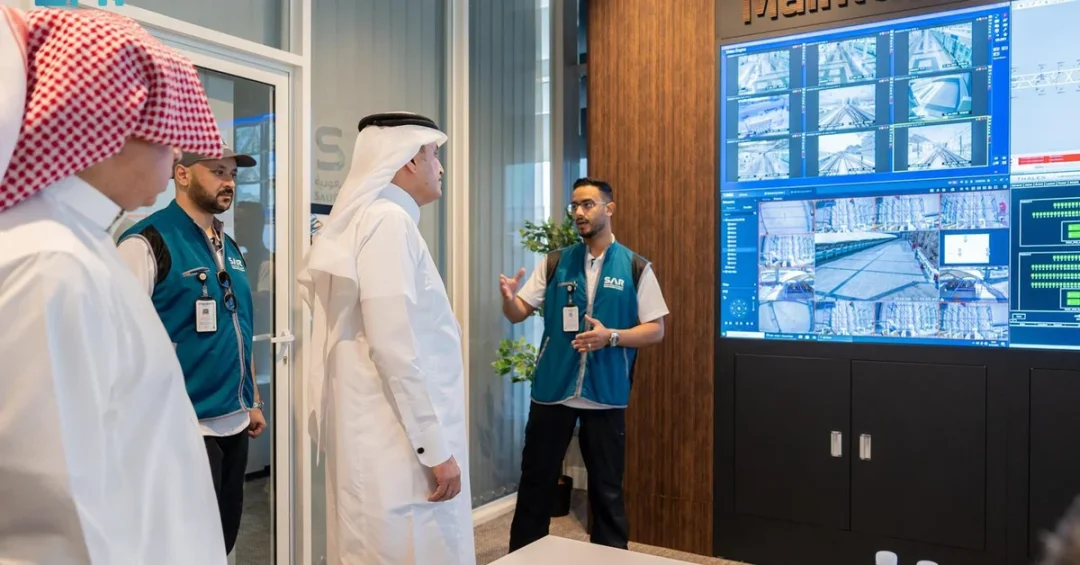
Minister of Transport and Logistic Services Eng. Saleh bin Nasser Al-Jasser conducted a comprehensive site visit on June 13, 2024, to inspect the readiness of key transport and logistics facilities ahead of the Hajj season, including the Al-Mashaer Train and the rubber platform project, as reported by the Saudi Press Agency (SPA). The visit underscored the Kingdom’s commitment to ensuring seamless mobility for millions of pilgrims during the annual pilgrimage.
Context and Background
The Hajj season represents one of the largest annual gatherings in the world, with millions of Muslims traveling to Makkah and surrounding holy sites. Saudi Arabia, under the leadership of the Custodian of the Two Holy Mosques King Salman bin Abdulaziz Al Saud and Crown Prince Mohammed bin Salman, has consistently invested in modernizing transportation infrastructure to enhance the pilgrim experience. The Ministry of Transport and Logistic Services plays a pivotal role in coordinating these efforts, working alongside other government agencies to ensure safety, efficiency, and comfort.
The Al-Mashaer Train, a critical component of the pilgrimage transport network, connects the holy sites of Mina, Arafat, and Muzdalifah. The rubber platform project, part of ongoing upgrades, aims to improve accessibility and crowd management. These initiatives align with Vision 2030’s goals to elevate service standards and infrastructure capabilities.
Key Details
During his visit, Minister Al-Jasser inspected the operational readiness of the Al-Mashaer Train and the rubber platform project, reviewing progress and ensuring all systems are prepared for the influx of pilgrims. He also visited the public transport bus station at Jarwal Station to assess future development plans, which include expanding capacity and integrating smart technologies.
Furthermore, the Minister evaluated the readiness of the Haramain Highspeed Railway, a flagship project connecting Makkah and Madinah via Jeddah. The railway is expected to accommodate pilgrims arriving from Madinah and King Abdulaziz International Airport in Jeddah, providing a fast and reliable mode of transport. The Haramain Railway, with its state-of-the-art fleet, symbolizes Saudi Arabia’s commitment to innovative transport solutions.
These inspections are part of a broader strategy to streamline pilgrim movement and reduce congestion. The Ministry has coordinated with stakeholders to implement advanced scheduling, real-time monitoring, and enhanced passenger services.
Implications and Impact
The readiness of these transport facilities has significant implications for the Hajj experience. Efficient transportation reduces travel time, minimizes physical strain on pilgrims, and enhances overall safety. The Al-Mashaer Train, for instance, can transport hundreds of thousands of pilgrims between holy sites, alleviating road traffic and lowering emissions.
Internationally, these improvements reinforce Saudi Arabia’s reputation for hosting large-scale events with precision and care. They also demonstrate the Kingdom’s capacity to manage complex logistics, a key aspect of its global leadership in pilgrimage management. The Haramain Highspeed Railway, in particular, showcases Saudi Arabia’s ability to deploy cutting-edge technology for the benefit of visitors.
Vision 2030 Alignment
This visit and the ongoing upgrades are directly aligned with Vision 2030, which seeks to transform Saudi Arabia into a global hub for logistics and enhance the quality of life for citizens and visitors. By investing in transport infrastructure, the Kingdom not only improves the Hajj experience but also boosts economic growth, creates jobs, and fosters sustainable development. The Ministry of Transport and Logistic Services remains at the forefront of these efforts, ensuring that Saudi Arabia continues to set benchmarks in pilgrimage services and beyond.
20 Questions
Q1. Who conducted the site visit to inspect Hajj transport facilities?
A1. Eng. Saleh bin Nasser Al-Jasser, the Minister of Transport and Logistic Services, conducted the visit on June 13, 2024, to review readiness for the Hajj season.
Q2. What specific facilities did the Minister inspect during his visit?
A2. He inspected the Al-Mashaer Train, the rubber platform project, the public transport bus station at Jarwal Station, and the Haramain Highspeed Railway.
Q3. What is the purpose of the Al-Mashaer Train?
A3. The Al-Mashaer Train transports pilgrims between the holy sites of Mina, Arafat, and Muzdalifah, helping to manage crowds and reduce road congestion during Hajj.
Q4. What is the rubber platform project?
A4. The rubber platform project is an upgrade to enhance accessibility and crowd management at transport hubs, improving the pilgrim experience during Hajj.
Q5. Why did the Minister visit Jarwal Station?
A5. He visited Jarwal Station to review future development plans for the public transport bus station, which aims to expand capacity and integrate smart technologies.
Q6. What is the Haramain Highspeed Railway?
A6. The Haramain Highspeed Railway is a flagship project connecting Makkah and Madinah via Jeddah, providing fast and reliable transport for pilgrims and travelers.
Q7. How does the Haramain Railway support Hajj pilgrims?
A7. It accommodates pilgrims arriving from Madinah and King Abdulaziz International Airport in Jeddah, offering a swift and comfortable journey to Makkah.
Q8. What role does the Ministry of Transport and Logistic Services play in Hajj?
A8. The Ministry coordinates and oversees all transport and logistics operations to ensure seamless mobility, safety, and efficiency for millions of pilgrims during Hajj.
Q9. How does this visit align with Saudi Vision 2030?
A9. The visit supports Vision 2030 goals by enhancing infrastructure, improving service quality, and positioning Saudi Arabia as a global logistics hub.
Q10. What are the benefits of the Al-Mashaer Train for pilgrims?
A10. The train reduces travel time, minimizes physical strain, and lowers road traffic and emissions, enhancing the overall Hajj experience.
Q11. What future development plans are in place for Jarwal Station?
A11. Plans include expanding capacity, integrating smart technologies, and improving facilities to better serve pilgrims and the public.
Q12. How does the Haramain Railway contribute to Saudi Arabia’s global leadership?
A12. It showcases the Kingdom’s ability to deploy advanced technology for large-scale events, reinforcing its reputation in pilgrimage management.
Q13. What safety measures are being implemented for Hajj transport?
A13. Advanced scheduling, real-time monitoring, and enhanced passenger services are being implemented to ensure safety and efficiency.
Q14. How many pilgrims use the Al-Mashaer Train annually?
A14. The train transports hundreds of thousands of pilgrims between the holy sites each Hajj season, significantly easing crowd movement.
Q15. What is the significance of the rubber platform project?
A15. It improves accessibility and crowd management, ensuring a smoother and safer experience for pilgrims using public transport.
Q16. How does the Ministry ensure coordination among transport agencies?
A16. The Ministry works closely with stakeholders to implement integrated plans, share real-time data, and align operations for seamless pilgrim transport.
Q17. What economic benefits arise from these transport upgrades?
A17. They boost economic growth by creating jobs, enhancing logistics efficiency, and supporting local businesses tied to Hajj services.
Q18. How does the Haramain Railway impact tourism in Saudi Arabia?
A18. It facilitates easier access to religious and cultural sites, promoting tourism and showcasing the Kingdom’s modern infrastructure.
Q19. What technologies are used in the Al-Mashaer Train?
A19. The train utilizes advanced signaling, automated systems, and high-capacity carriages to ensure reliable and efficient service during peak times.
Q20. What is the ultimate goal of these transport preparations?
A20. The goal is to provide a safe, comfortable, and spiritually fulfilling Hajj experience for all pilgrims, aligning with Vision 2030’s quality-of-life objectives.
Reader Feedback
We value your thoughts. Please share your feedback on this article.
Your feedback helps us improve our coverage.