


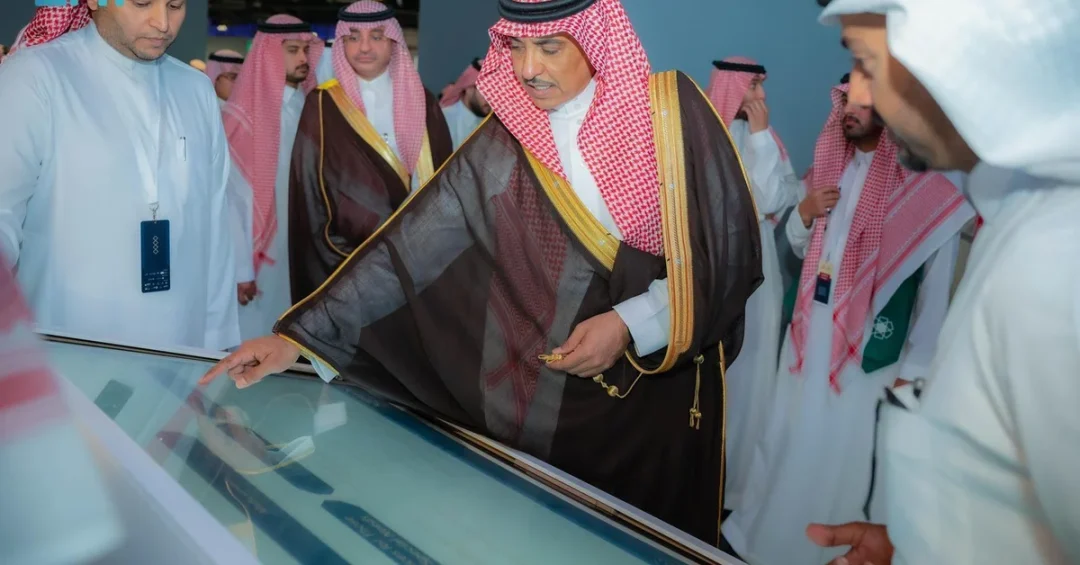
Minister of Media Salman bin Youssef Al-Dossary inaugurated the first edition of the Hajj Media Hub initiative in Makkah on Monday, June 10, 2024, in a strategic partnership with the Ministry of Hajj and Umrah and the Pilgrim Experience Program. The hub, which runs from June 10 to 16, is part of the Year of Media Transformation initiatives announced by the minister three months ago at the third annual Saudi Media Forum. It aims to provide an integrated media environment to support media professionals covering the Hajj season 1445 AH.
Context and Background
The Hajj Media Hub represents a significant step in Saudi Arabia’s efforts to enhance the media landscape during the annual pilgrimage, one of the world’s largest gatherings. With over 150 local, Arab, Islamic, and international media outlets and more than 1,500 media professionals expected to benefit, the hub underscores the Kingdom’s commitment to facilitating comprehensive coverage of Hajj. This initiative aligns with the Year of Media Transformation, a broader strategy to modernize Saudi media and align it with Vision 2030 goals.
Key Details
The hub features 11 supportive media areas, an interactive media exhibition showcasing services provided to pilgrims, a headquarters for news conferences, a media center with integrated services, various studios, vehicles for direct injection of media materials, and a Virtual Press Center (VPC). At the VPC, a specialized team provides continuous updates and services around the clock via an interactive screen. The hub brings together all media agencies to support media professionals and outlets, offering modern technologies to foster innovation in local and international media coverage during Hajj.
Implications and Impact
This initiative is expected to significantly enhance the quality and reach of Hajj coverage, enabling media professionals to effectively narrate the major transformation in services provided to pilgrims. It also highlights the most prominent projects and achievements in serving the two holy mosques and their visitors, as well as future projects in the holy sites. By providing state-of-the-art facilities, the hub positions Saudi Arabia as a leader in facilitating media coverage of large-scale religious events, promoting a positive image of the Kingdom’s logistical and technological capabilities.
Vision 2030 Alignment
The Hajj Media Hub is a clear manifestation of Vision 2030’s objectives to diversify the economy, enhance the quality of services, and promote Saudi Arabia’s global role. By investing in media infrastructure and supporting media professionals, the Kingdom is not only improving the pilgrimage experience but also showcasing its ability to host and manage major international events. This initiative reflects the broader transformation underway in Saudi Arabia, where innovation and modernization are key drivers of progress and global engagement.
20 Questions
Q1. What is the Hajj Media Hub initiative?
A1. The Hajj Media Hub is an integrated media environment launched in Makkah to support media professionals covering the Hajj season 1445 AH. It provides modern facilities and services to enhance local and international media coverage during the pilgrimage.
Q2. Who inaugurated the Hajj Media Hub?
A2. Minister of Media Salman bin Youssef Al-Dossary inaugurated the first edition of the Hajj Media Hub in Makkah on Monday, June 10, 2024, in a strategic partnership with the Ministry of Hajj and Umrah and the Pilgrim Experience Program.
Q3. When does the Hajj Media Hub take place?
A3. The hub operates from June 10 to 16, 2024, coinciding with the Hajj season 1445 AH. It provides continuous services throughout this period to support media coverage.
Q4. Where is the Hajj Media Hub located?
A4. The hub is located in Makkah, Saudi Arabia, near the holy sites, to facilitate easy access for media professionals covering the Hajj pilgrimage.
Q5. How many media outlets are expected to benefit from the hub?
A5. More than 150 local, Arab, Islamic, and international media outlets are expected to benefit from the hub’s services, along with over 1,500 local and international media professionals.
Q6. What are the key features of the Hajj Media Hub?
A6. The hub includes 11 supportive media areas, an interactive media exhibition, a news conference headquarters, a media center, studios, vehicles for direct injection of media materials, and a Virtual Press Center (VPC) providing continuous updates.
Q7. What is the Virtual Press Center (VPC)?
A7. The VPC is a specialized facility within the hub where a team provides continuous updates and services around the clock via an interactive screen, ensuring media professionals have access to real-time information during Hajj.
Q8. What is the purpose of the Hajj Media Hub?
A8. The hub aims to provide an integrated media environment to support media professionals in completing their coverage during the Hajj season, offering modern technologies to achieve more innovation in media coverage.
Q9. Which Saudi ministries and programs partner in this initiative?
A9. The initiative is held in strategic partnership with the Ministry of Hajj and Umrah and the Pilgrim Experience Program, demonstrating collaboration across government entities to enhance the Hajj experience.
Q10. What is the Year of Media Transformation?
A10. The Year of Media Transformation is an initiative announced by the Minister of Media three months ago at the third annual Saudi Media Forum, aimed at modernizing Saudi media and aligning it with Vision 2030 goals.
Q11. How does the hub support media professionals?
A11. The hub provides an integrated media environment with state-of-the-art facilities, including studios, media centers, and advanced technologies, enabling media professionals to efficiently cover Hajj and share their stories with global audiences.
Q12. What is the significance of the Hajj Media Hub for Saudi Arabia?
A12. It showcases Saudi Arabia’s commitment to facilitating comprehensive media coverage of Hajj, enhancing the Kingdom’s image as a leader in hosting major religious events and demonstrating its logistical and technological capabilities.
Q13. How many supportive media areas are established in the hub?
A13. The hub features 11 supportive media areas designed to cater to various media needs, including workspaces, interview areas, and technical support zones for journalists and broadcasters.
Q14. What role does the interactive media exhibition play?
A14. The interactive media exhibition highlights the services provided to pilgrims, showcasing the major transformation in services and narrating the most prominent projects and achievements in serving the two holy mosques and their visitors.
Q15. Who can benefit from the Hajj Media Hub?
A15. Local, Arab, Islamic, and international media outlets and professionals can benefit from the hub’s services, with over 1,500 media professionals expected to utilize the facilities during the Hajj season.
Q16. What technologies are used in the hub?
A16. The hub employs modern technologies such as an interactive screen for the Virtual Press Center, vehicles for direct injection of media materials, and various studios equipped with advanced broadcasting tools to support innovative media coverage.
Q17. How does the hub reflect the transformation in pilgrim services?
A17. The hub showcases the major transformation in services provided to pilgrims through its interactive media exhibition and by narrating the most prominent projects and achievements in serving the two holy mosques and their visitors.
Q18. What is the expected duration of the hub’s operation?
A18. The hub operates for seven days, from June 10 to 16, 2024, providing continuous services around the clock throughout the forum’s working days to support media coverage of Hajj.
Q19. How does the hub contribute to Vision 2030?
A19. The hub aligns with Vision 2030 by enhancing media infrastructure, promoting innovation, and showcasing Saudi Arabia’s ability to host major international events, thereby supporting economic diversification and global engagement.
Q20. What future projects are highlighted at the hub?
A20. The hub narrates future projects in the holy sites aimed at serving the two holy mosques and their visitors, reflecting ongoing development and modernization efforts under Saudi Arabia’s Vision 2030.
Reader Feedback
We value your thoughts. Please share your feedback on this article.
Your feedback helps us improve our coverage.