


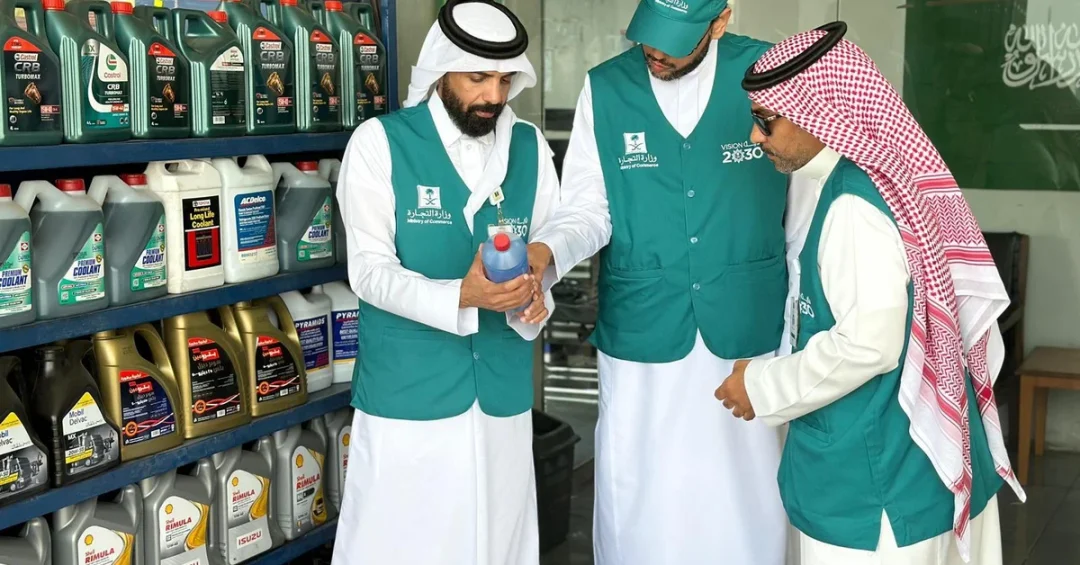
The Ministry of Commerce conducted 24,880 inspection visits to commercial establishments in the Makkah Region and along the roads leading to it from the 1st to the 29th of Dhu al-Qa’dah 1445 AH, as part of its operational plan for the Hajj season. The inspections, announced by the Saudi Press Agency, aimed to ensure compliance with consumer protection regulations and the availability of food commodities for the millions of pilgrims converging on the holy sites. The ministry’s teams recorded 1,259 immediate violations during the campaign, underscoring the Kingdom’s commitment to maintaining high standards of commercial integrity during the sacred pilgrimage.
Context and Background
The Hajj season represents one of the largest annual gatherings of people in the world, with pilgrims from over 180 countries performing the sacred rites in Makkah and surrounding areas. The Ministry of Commerce, under the leadership of Minister of Commerce Dr. Majid bin Abdullah Al-Qasabi, has developed a comprehensive seasonal operational plan that spans Makkah, Madinah, and the holy sites. This plan is designed to protect consumers, ensure fair trade practices, and guarantee that essential goods and services are readily available at reasonable prices. The inspection campaign is a critical component of this plan, reflecting the Kingdom’s dedication to safeguarding the wellbeing of pilgrims and visitors.
Key Details of the Inspection Campaign
The 24,880 inspection visits covered a wide range of commercial establishments, including the central area of the Grand Mosque, the Haramain express train stations, markets, commercial centers, sales outlets, gold and jewelry markets, service centers, and petrol stations. The roads leading to the Two Holy Mosques were also thoroughly inspected. During these visits, 1,259 immediate violations were recorded, and appropriate legal measures were taken. The ministry’s efforts are part of a broader strategy to enhance the pilgrimage experience by ensuring that businesses adhere to regulations and that pilgrims have access to safe, high-quality products and services.
Implications and Impact
This extensive inspection campaign has significant implications for both pilgrims and the local economy. By enforcing compliance with consumer protection laws, the Ministry of Commerce helps prevent fraud, price gouging, and the sale of substandard goods, thereby fostering a fair and transparent marketplace. For pilgrims, this means greater confidence in the goods and services they purchase during their spiritual journey. For businesses, it reinforces the importance of ethical practices and contributes to a sustainable commercial environment. The campaign also aligns with Saudi Arabia’s broader efforts to enhance the quality of life for citizens and visitors, a key objective of Vision 2030.
Vision 2030 Alignment
The Ministry of Commerce’s inspection campaign is a clear reflection of Saudi Arabia’s Vision 2030, which aims to diversify the economy, improve public services, and enhance the Kingdom’s role as a global leader in hosting religious tourism. By ensuring a safe and fair commercial environment during Hajj, the Kingdom not only protects pilgrims but also strengthens its reputation as a trusted and modern nation capable of managing large-scale events with efficiency and integrity. This initiative underscores the government’s commitment to excellence and its dedication to serving the Guests of God, further solidifying Saudi Arabia’s position as a beacon of stability and progress in the region and beyond.
20 Questions
Q1. What was the purpose of the Ministry of Commerce’s inspection campaign in Makkah?
A1. The campaign aimed to ensure compliance with consumer protection regulations and the availability of food commodities for pilgrims during the Hajj season, as part of the ministry’s operational plan.
Q2. How many inspection visits were conducted?
A2. The Ministry of Commerce conducted 24,880 inspection visits to commercial establishments in the Makkah Region and along the roads leading to it from the 1st to the 29th of Dhu al-Qa’dah 1445 AH.
Q3. What types of establishments were inspected?
A3. Inspections covered the central area of the Grand Mosque, the Haramain express train, markets, commercial centers, sales outlets, gold and jewelry markets, service centers, and petrol stations.
Q4. How many violations were recorded during the inspections?
A4. The ministry recorded 1,259 immediate violations during the inspection campaign, and appropriate legal measures were taken against the violators.
Q5. Which areas were included in the inspection campaign?
A5. The campaign covered the Makkah Region, the roads leading to the Two Holy Mosques, and the holy sites in Makkah, Madinah, and surrounding areas.
Q6. What is the significance of the Haramain express train in the inspections?
A6. The Haramain express train is a key transportation link for pilgrims, and inspecting its facilities ensures that services provided to pilgrims meet quality and safety standards.
Q7. How does this campaign benefit pilgrims?
A7. It protects pilgrims from fraud, price gouging, and substandard goods, ensuring they have access to safe and reliable products and services during their spiritual journey.
Q8. What role does the Ministry of Commerce play in Hajj operations?
A8. The ministry ensures commercial establishments comply with regulations, monitors prices, and guarantees the availability of essential goods, thereby safeguarding consumer rights during the pilgrimage.
Q9. When did the inspection campaign take place?
A9. The campaign was conducted from the 1st to the 29th of Dhu al-Qa’dah 1445 AH, coinciding with the influx of pilgrims arriving for Hajj.
Q10. What measures are taken when violations are found?
A10. Immediate violations are recorded, and legal actions are taken against the offending establishments, which may include fines or closure, to enforce compliance with consumer protection laws.
Q11. How does this campaign align with Vision 2030?
A11. It supports Vision 2030 by enhancing the quality of services, promoting economic diversification, and reinforcing Saudi Arabia’s role as a global leader in religious tourism.
Q12. What are the key objectives of the Ministry of Commerce’s seasonal plan?
A12. The plan aims to ensure food availability, protect consumers, maintain fair trade practices, and guarantee that commercial establishments adhere to regulations during the Hajj season.
Q13. Which official body announced the inspection results?
A13. The Saudi Press Agency (SPA) announced the inspection results, highlighting the Ministry of Commerce’s efforts as part of its Hajj operational plan.
Q14. How many pilgrims are expected to perform Hajj this year?
A14. While exact numbers vary, Hajj typically attracts over two million pilgrims from around the world, making it one of the largest annual gatherings globally.
Q15. What is the role of inspection teams in the central area of the Grand Mosque?
A15. Inspection teams ensure that shops and service providers in the central area comply with regulations, offering safe and quality goods to pilgrims in the most sacred site.
Q16. Are petrol stations included in the inspections?
A16. Yes, petrol stations are included to ensure they comply with safety and quality standards, and to prevent any malpractices that could affect pilgrims and travelers.
Q17. How does the campaign address food commodity availability?
A17. Inspectors check that food supplies are sufficient, properly stored, and priced fairly, ensuring that pilgrims have access to essential food items throughout Hajj.
Q18. What is the penalty for violations of consumer protection regulations?
A18. Penalties vary based on the violation but can include fines, temporary closure, or other legal actions as stipulated by Saudi commercial laws and regulations.
Q19. How does this initiative reflect Saudi Arabia’s commitment to pilgrims?
A19. It demonstrates the Kingdom’s dedication to serving the Guests of God by ensuring a safe, fair, and well-regulated commercial environment, enhancing the overall pilgrimage experience.
Q20. What other ministries are involved in Hajj operations?
A20. Multiple Saudi ministries and agencies collaborate on Hajj, including the Ministry of Hajj and Umrah, Ministry of Health, Ministry of Interior, and others, all working together to facilitate a smooth pilgrimage.
Reader Feedback
We value your thoughts. Please share your feedback on this article.
Your feedback helps us improve our coverage.