


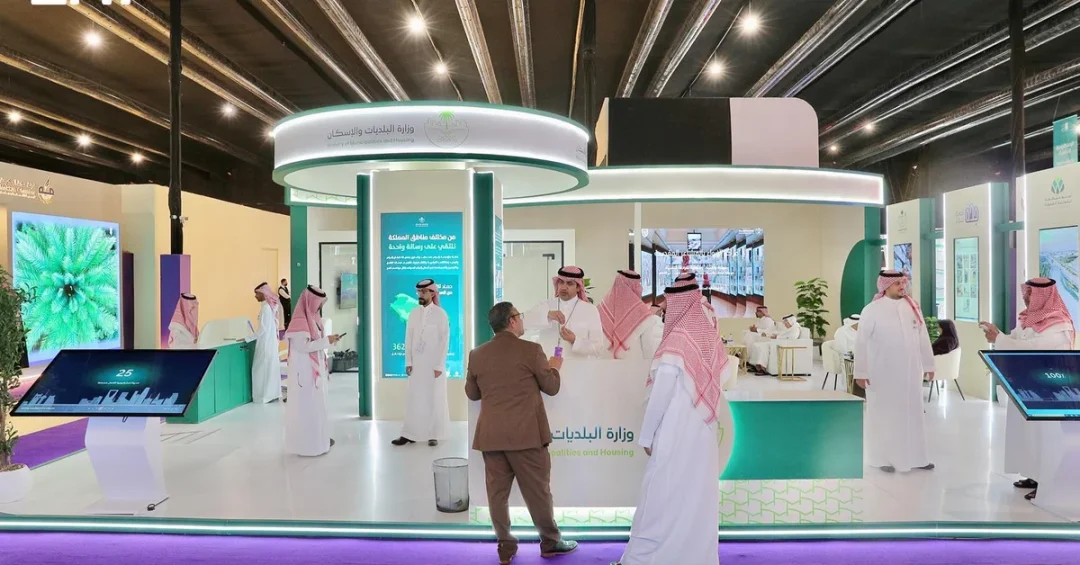
The Ministry of Municipalities and Housing is showcasing its sector-wide efforts, services, and initiatives for serving pilgrims at the sixth Hajj Conference and Exhibition, which opened on Sunday in Jeddah and runs until November 11. The event, organized by the Ministry of Hajj and Umrah in partnership with the Pilgrim Experience Program under the theme “From Makkah to the World,” brings together government agencies, service providers, and international stakeholders to advance the quality of the Hajj experience. The ministry’s pavilion highlights its role and that of the region municipalities in the Hajj ecosystem, including municipal services delivered during previous Hajj seasons and the achievements that helped create a safe, accessible environment for pilgrims. Have you ever considered how the smallest municipal detail—a clean street, a working light, a steady water supply—shapes the spiritual journey of millions? The ministry’s participation underscores Saudi Arabia’s commitment to continuous improvement in serving the Guests of God.
The ministry is presenting field experiences, national models, and technical solutions used to manage Hajj municipal services, reflecting the sector’s development and its role in making services more efficient and improving the pilgrim experience. The participation also highlights coordination between the ministry, region municipalities, and other government agencies to provide comprehensive services for pilgrims, reflecting the Kingdom’s expertise in managing municipal services during Hajj. The ministry aims to exchange expertise and showcase the practices and solutions developed within its system to raise service quality and operational efficiency, in line with the goals of Saudi Vision 2030 and the Pilgrim Experience Program. What does it take to orchestrate municipal services for one of the world’s largest annual gatherings? The answer lies in meticulous planning, cross-agency collaboration, and a unwavering focus on the pilgrim’s well-being.
Context and Background
The Hajj Conference and Exhibition, now in its sixth edition, has become a premier platform for showcasing innovations and best practices in pilgrimage services. Organized by the Ministry of Hajj and Umrah in partnership with the Pilgrim Experience Program, the event aligns with Saudi Vision 2030’s goal to elevate the Hajj and Umrah experience for millions of pilgrims from around the world. The Ministry of Municipalities and Housing has been a key participant since the conference’s inception, using the platform to demonstrate how municipal services—ranging from waste management to infrastructure maintenance—are integral to the success of Hajj. Why is such a conference essential for the global pilgrimage community? It provides a space for knowledge exchange, allowing Saudi Arabia to share its unique expertise and learn from international partners, ultimately benefiting all who undertake the sacred journey.
Over the years, the ministry has implemented numerous initiatives to enhance municipal services during Hajj. These include the deployment of advanced cleaning fleets, the establishment of temporary waste transfer stations, and the maintenance of thousands of kilometers of roads and pedestrian pathways. The ministry’s efforts extend to public health and safety, with regular inspections of food establishments and oversight of water quality. Such measures ensure that pilgrims can focus on their spiritual duties in a clean, safe, and well-organized environment. How do these services adapt to the massive influx of pilgrims each year? Through dynamic planning, real-time data analytics, and the dedication of thousands of municipal workers who operate around the clock. The ministry’s participation in the conference highlights these achievements and sets the stage for further improvements.
Key Details
At the ministry’s pavilion, visitors can explore detailed presentations of field experiences and national models that have shaped Hajj municipal services. These include case studies from previous Hajj seasons, showcasing how the ministry and region municipalities managed challenges such as waste collection, street lighting, and traffic flow. The pavilion also features technical solutions, such as smart systems for monitoring cleanliness levels and optimizing resource allocation. These innovations have significantly improved operational efficiency and reduced response times to service requests. What role do these technologies play in enhancing the pilgrim experience? They ensure that municipal services are proactive rather than reactive, addressing issues before they affect pilgrims and maintaining a high standard of service throughout the Hajj period.
The ministry’s presentation emphasizes the importance of coordination between various government agencies. Representatives from the Ministry of Municipalities and Housing, the Ministry of Hajj and Umrah, and local municipalities are on hand to explain how integrated planning leads to seamless service delivery. For instance, during Hajj, municipal teams work closely with security forces, health authorities, and transport departments to manage crowds and maintain order. This collaborative approach is a hallmark of Saudi Arabia’s Hajj management and a key reason for its continued success. How does this coordination translate into tangible benefits for pilgrims? It results in a unified effort that prioritizes pilgrim safety and comfort, from the moment they arrive until their departure, ensuring a smooth and spiritually fulfilling journey.
International and Regional Impact
The Hajj Conference and Exhibition attracts participants from around the globe, including representatives from Muslim-majority countries and international organizations. The Ministry of Municipalities and Housing’s participation offers these attendees a firsthand look at Saudi Arabia’s advanced municipal management systems. By sharing its expertise, the Kingdom reinforces its role as a global leader in hosting large-scale religious events. This knowledge exchange can help other nations improve their own pilgrimage infrastructure and services. Why is this international dimension so important? It fosters goodwill and cooperation, demonstrating Saudi Arabia’s willingness to contribute to the global community and support fellow Muslim nations in serving their pilgrims.
Regionally, the conference strengthens ties between Saudi Arabia and neighboring countries, many of which send significant numbers of pilgrims each year. The ministry’s showcase includes examples of how municipal services are tailored to accommodate pilgrims from diverse backgrounds, ensuring inclusivity and accessibility. For example, signage in multiple languages, wheelchair-accessible pathways, and culturally sensitive services are among the initiatives highlighted. How do these efforts reflect Saudi Arabia’s regional leadership? They underscore the Kingdom’s commitment to serving all pilgrims with dignity and respect, setting a benchmark for excellence in pilgrimage management that other countries aspire to emulate.
Economic and Strategic Significance
The efficient management of municipal services during Hajj has significant economic implications. By ensuring a clean, safe, and well-functioning environment, the ministry contributes to a positive pilgrim experience, which in turn encourages repeat visits and enhances the reputation of Hajj and Umrah as premium spiritual journeys. This supports the Pilgrim Experience Program’s goal of increasing the number of pilgrims and diversifying the economy away from oil. The ministry’s use of advanced technologies also drives innovation within the Saudi municipal sector, creating opportunities for local companies and fostering a culture of efficiency. What economic benefits arise from these improvements? They include job creation, increased demand for goods and services, and a boost to the Kingdom’s image as a modern, capable host, all of which align with Vision 2030’s economic diversification objectives.
Strategically, the ministry’s participation in the conference reinforces Saudi Arabia’s position as the custodian of the Two Holy Mosques and the primary destination for Muslim pilgrims worldwide. By continuously upgrading its services, the Kingdom ensures that the Hajj experience remains safe, comfortable, and spiritually enriching, which is a core pillar of its soft power and global influence. The ministry’s efforts also contribute to the broader goals of Saudi Vision 2030 by enhancing the quality of life for citizens and visitors alike. How does this strategic focus benefit the Kingdom in the long term? It strengthens Saudi Arabia’s leadership in the Islamic world, promotes economic growth through increased pilgrimage numbers, and showcases the Kingdom’s ability to manage complex logistical operations on a massive scale.
Vision 2030 Alignment
The Ministry of Municipalities and Housing’s showcase at the Hajj Conference and Exhibition is a clear reflection of Saudi Vision 2030’s objectives. The Vision aims to transform Saudi Arabia into a global hub for tourism and religious pilgrimage, and the ministry’s work directly supports this by ensuring that municipal services meet world-class standards. The Pilgrim Experience Program, a key initiative under Vision 2030, seeks to enhance the quality of services provided to pilgrims, and the ministry’s innovations—such as smart cleaning systems and efficient waste management—are instrumental in achieving this goal. Why is this alignment crucial? It demonstrates how different sectors of the Saudi government are working in harmony to realize the Kingdom’s ambitious transformation, with the ultimate aim of providing an unforgettable experience for every pilgrim.
As the conference continues until November 11, the ministry’s pavilion serves as a testament to Saudi Arabia’s dedication to continuous improvement and innovation in serving the Guests of God. By exchanging expertise and showcasing its achievements, the ministry not only highlights its own role but also contributes to the collective success of the Hajj ecosystem. Looking ahead, the lessons learned and partnerships formed at this event will further enhance the Kingdom’s capacity to host millions of pilgrims in the coming years, in line with Vision 2030’s targets. How will these efforts shape the future of Hajj? They will ensure that Saudi Arabia remains at the forefront of pilgrimage management, setting new benchmarks for excellence and hospitality that resonate globally.
20 Questions
Q1. What is the sixth Hajj Conference and Exhibition?
A1. The sixth Hajj Conference and Exhibition is a major event organized by the Ministry of Hajj and Umrah in partnership with the Pilgrim Experience Program, held in Jeddah from November 8 to 11, under the theme “From Makkah to the World.” It showcases services and innovations for pilgrims.
Q2. Which ministry is showcasing its pilgrim services at the event?
A2. The Ministry of Municipalities and Housing is showcasing its efforts, services, and initiatives for serving pilgrims at the sixth Hajj Conference and Exhibition, highlighting its role and that of region municipalities in the Hajj ecosystem.
Q3. What does the ministry’s pavilion highlight?
A3. The pavilion highlights the ministry’s role in the Hajj ecosystem, including municipal services from previous Hajj seasons, achievements in creating a safe and accessible environment, field experiences, national models, and technical solutions for managing Hajj municipal services.
Q4. How does the ministry contribute to the pilgrim experience?
A4. The ministry contributes by providing essential municipal services such as cleaning, waste management, road maintenance, and public health inspections, ensuring a safe, clean, and organized environment that allows pilgrims to focus on their spiritual journey.
Q5. What is the theme of the conference?
A5. The theme is “From Makkah to the World,” reflecting the global significance of Hajj and the conference’s aim to share Saudi Arabia’s expertise in pilgrimage management with the world.
Q6. Who organizes the Hajj Conference and Exhibition?
A6. The event is organized by the Ministry of Hajj and Umrah in partnership with the Pilgrim Experience Program, a key initiative under Saudi Vision 2030 that aims to enhance the pilgrimage experience.
Q7. What are some technical solutions presented by the ministry?
A7. The ministry presents technical solutions such as smart systems for monitoring cleanliness, optimizing resource allocation, and managing waste efficiently, which improve operational efficiency and response times during Hajj.
Q8. How does the ministry coordinate with other agencies?
A8. The ministry coordinates with region municipalities and other government agencies, including security, health, and transport authorities, to provide comprehensive services for pilgrims, ensuring integrated planning and seamless service delivery.
Q9. What is the significance of the ministry’s participation for Vision 2030?
A9. The participation aligns with Vision 2030 goals by showcasing innovations that raise service quality and operational efficiency, supporting the Pilgrim Experience Program’s objectives and the Kingdom’s economic diversification efforts.
Q10. How does the ministry’s work impact international pilgrims?
A10. The ministry’s work ensures that international pilgrims enjoy a safe, clean, and well-organized environment, enhancing their spiritual experience and demonstrating Saudi Arabia’s commitment to serving all Guests of God with excellence.
Q11. What field experiences are showcased?
A11. The ministry showcases field experiences from previous Hajj seasons, including case studies on waste management, street lighting, traffic flow, and other municipal services that have been optimized for the massive influx of pilgrims.
Q12. How does the ministry handle waste management during Hajj?
A12. The ministry deploys advanced cleaning fleets, establishes temporary waste transfer stations, and uses smart monitoring systems to ensure timely waste collection and maintain cleanliness throughout the Hajj areas.
Q13. What role do region municipalities play in Hajj services?
A13. Region municipalities are essential partners, implementing municipal services on the ground, coordinating with the central ministry, and adapting services to local conditions to ensure pilgrims receive high-quality support in all areas.
Q14. How does the ministry ensure accessibility for pilgrims with disabilities?
A14. The ministry provides wheelchair-accessible pathways, multilingual signage, and culturally sensitive services, ensuring that all pilgrims, including those with disabilities, can navigate the Hajj sites comfortably and with dignity.
Q15. What economic benefits result from improved municipal services during Hajj?
A15. Improved services enhance the pilgrim experience, encouraging repeat visits and boosting the reputation of Hajj, which supports economic growth, job creation, and the diversification goals of Saudi Vision 2030.
Q16. How does the conference facilitate knowledge exchange?
A16. The conference brings together international participants, allowing Saudi Arabia to share its expertise in municipal management and learn from global best practices, fostering cooperation and improving pilgrimage services worldwide.
Q17. What are the future plans for the ministry in serving pilgrims?
A17. The ministry aims to continue innovating and improving services through technology, training, and coordination, in line with Vision 2030 targets to accommodate increasing numbers of pilgrims with world-class efficiency.
Q18. How does the ministry’s work reflect Saudi Arabia’s leadership?
A18. By successfully managing complex municipal services for millions of pilgrims, the ministry demonstrates Saudi Arabia’s logistical capabilities, commitment to excellence, and leadership in the Islamic world, reinforcing its role as custodian of the Two Holy Mosques.
Q19. What is the Pilgrim Experience Program?
A19. The Pilgrim Experience Program is a Vision 2030 initiative that aims to enhance the quality of services for pilgrims, improve infrastructure, and enrich the spiritual and cultural journey of Hajj and Umrah visitors.
Q20. How can other countries benefit from Saudi Arabia’s experience?
A20. Other countries can learn from Saudi Arabia’s integrated approach to municipal management during large gatherings, adopting similar technologies and coordination mechanisms to improve their own pilgrimage or mass event services.
Reader Feedback
We value your thoughts. Please share your feedback on this article.
Your feedback helps us improve our coverage.
Related articles
 Hajj Talk Session Focuses on Environmental Sustainability
 Makkah Municipality Showcases Pilgrim Projects at Hajj Expo
 Coalition Intercepts Houthi UAV Targeting Southern Region
 Saudi Aramco Building in Riyadh Targeted in Failed Attack
 GACA Showcases Pilgrim Experience Initiatives at Hajj Conference
 Saudi Foreign Ministry Receives Indonesian Consul General