


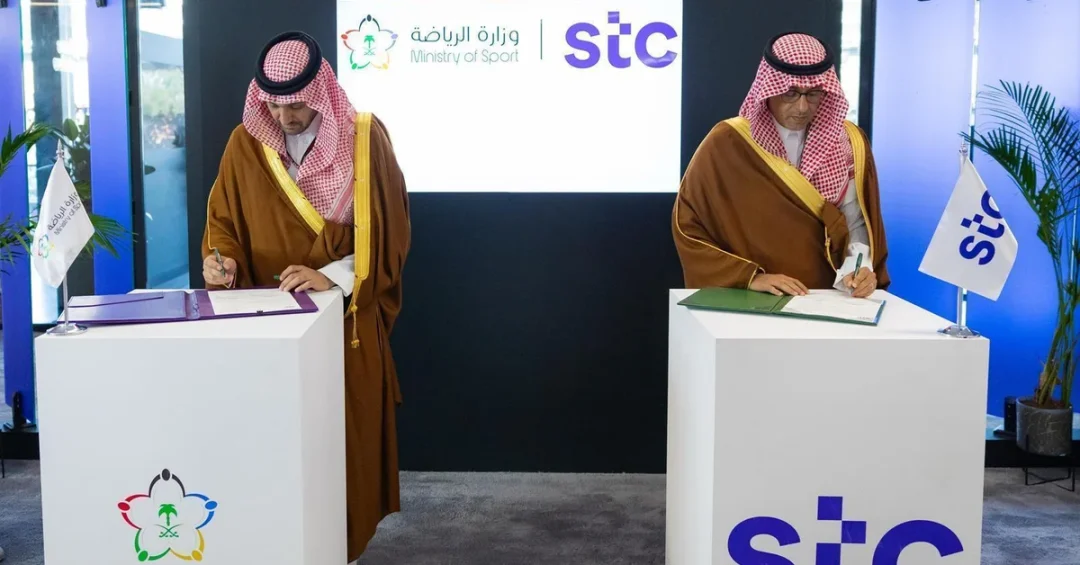
The Saudi Ministry of Sport signed a memorandum of understanding with the stc Group on Saturday, April 19, 2025, at the Jeddah Corniche Circuit, in an event held alongside the stc Saudi Arabian Grand Prix Formula 1 race. The agreement, announced via the Saudi Press Agency, sets out a framework for cooperation in digital infrastructure and modern technologies to support the Kingdom’s sports sector and advance strategic projects. The signing was attended by Prince Mohammed bin Khalid bin Abdullah bin Faisal, Chairman of the Board of Directors of stc Group, and Prince Abdulaziz bin Turki bin Faisal, Minister of Sport and President of the Saudi Olympic and Paralympic Committee. The timing of the announcement, during one of the world’s most-watched sporting events, underscores Saudi Arabia’s ambition to position itself as a global sports destination.
Have you ever wondered how a nation transforms its sports sector into a high-tech, investment-ready ecosystem? This MoU is a clear step in that direction. It brings together the Ministry of Sport’s regulatory and developmental mandate with stc Group’s telecommunications and digital expertise. The partnership aims to explore mutual cooperation, provide innovative solutions, and enhance development opportunities for strategic projects, all in accordance with relevant regulations. For international observers, the agreement signals that Saudi Arabia is not only hosting major events but also building the digital backbone that will sustain its sports ambitions for decades to come.
Context and Background
Why does a memorandum of understanding between a ministry and a telecom giant matter on the global stage? Saudi Arabia has been rapidly expanding its sports sector as part of a broader economic diversification strategy. Under Vision 2030, the Kingdom aims to increase the sports sector’s contribution to GDP and create a vibrant ecosystem that attracts international events, investment, and talent. The Ministry of Sport, led by Prince Abdulaziz bin Turki bin Faisal, has been at the forefront of these efforts, overseeing reforms that range from professional league development to grassroots participation. The partnership with stc Group, a leading digital and telecommunications company in the region, is designed to accelerate these efforts through technology.
The MoU was signed at the Jeddah Corniche Circuit, a venue that itself symbolizes Saudi Arabia’s growing role as a host of world-class sporting occasions. The stc Saudi Arabian Grand Prix is a fixture on the Formula 1 calendar, drawing global audiences and showcasing the Kingdom’s capacity to deliver mega-events. By aligning the agreement with this race, the Ministry of Sport and stc Group are making a public statement: sports and technology are intertwined, and Saudi Arabia intends to lead in both. The presence of senior leadership from both entities at the signing further emphasizes the strategic importance of the collaboration.
What does this mean for the everyday sports fan in Saudi Arabia and beyond? It suggests that future experiences, from ticketing to streaming to stadium connectivity, will become more seamless and engaging. The MoU is not merely a ceremonial document; it establishes a framework for exploring concrete projects in digital infrastructure and modern technologies. As the Kingdom continues to host events like Formula 1, the Dakar Rally, and top-tier football matches, the demand for robust digital services will only grow. This agreement positions stc Group as a key enabler of that future.
Key Details
What exactly does the agreement cover? The memorandum of understanding focuses on exploring prospects for mutual cooperation and providing innovative solutions and services in digital infrastructure and modern technologies. This includes supporting the sports sector and enhancing development opportunities for strategic projects. While the MoU itself does not commit to specific investments, it creates a formal channel for collaboration that can lead to tangible outcomes. The Ministry of Sport will provide strategic direction and regulatory alignment, while stc Group will contribute its technical expertise and infrastructure capabilities.
In addition to the bilateral MoU, a tripartite agreement was signed by Ibrahim Al-Qassim, Secretary-General of the Saudi Football Federation (SAFF); Omar Mugharbel, CEO of the Saudi Pro League; and Eng. Riyadh Muawad, Chief Business Officer at stc Group. This agreement outlines areas of cooperation in digital transformation and the development of technical infrastructure for Saudi football competitions. The involvement of both the SAFF and the Saudi Pro League indicates that football, the Kingdom’s most popular sport, will be an early beneficiary of the technological upgrades. The agreement aims to enhance the fan experience, improve operational efficiency, and create new commercial opportunities.
These initiatives contribute to achieving added economic value by diversifying income sources and expanding the range of services linked to the sector. By integrating advanced technologies, the sports sector can unlock new revenue streams, such as enhanced broadcasting, data analytics, and digital fan engagement platforms. This aligns with national ambitions to make the Kingdom a global sports destination. The collaboration between the Ministry of Sport, stc Group, SAFF, and the Saudi Pro League demonstrates a coordinated approach to sector development, bringing together government, private sector, and sports organizations.
International and Regional Impact
How will this agreement resonate beyond Saudi Arabia’s borders? For international sports organizations, leagues, and technology providers, the MoU signals that Saudi Arabia is serious about building a modern sports infrastructure. This could attract further partnerships and investment from global companies looking to tap into the Kingdom’s growing sports market. The involvement of stc Group, which has a significant regional presence, also positions Saudi Arabia as a hub for sports technology innovation in the Middle East and North Africa. The agreement may encourage other countries in the region to pursue similar collaborations, fostering a more connected and technologically advanced sports landscape.
From a regional perspective, the MoU reinforces Saudi Arabia’s leadership in sports and entertainment. The Kingdom has already hosted numerous high-profile events, including Formula 1, WWE, and international football tournaments. By investing in digital infrastructure, Saudi Arabia is ensuring that these events are not only memorable but also technologically cutting-edge. This can enhance the Kingdom’s reputation as a reliable and innovative host, potentially attracting more events in the future. For neighboring countries, Saudi Arabia’s progress serves as a benchmark for how sports can be leveraged for economic diversification and global engagement.
What about the fans? International audiences will experience Saudi-hosted events through digital platforms, and improved infrastructure can lead to better streaming quality, interactive features, and real-time statistics. This enhances the global viewing experience and strengthens the connection between Saudi sports and fans worldwide. As the Kingdom continues to integrate technology into its sports ecosystem, it becomes a more attractive destination for global sports tourism, which in turn supports Vision 2030 goals of increasing international visitors and economic activity.
Economic and Strategic Significance
Why is this agreement economically significant? Sports is increasingly recognized as a key driver of economic growth and diversification. By partnering with stc Group, the Ministry of Sport is tapping into the digital economy, which is a cornerstone of Vision 2030. The development of technical infrastructure for football competitions, for example, can lead to more efficient league operations, better monetization of media rights, and enhanced sponsorship opportunities. These factors contribute to the sector’s overall economic value and help diversify income sources away from hydrocarbons.
Strategically, the MoU strengthens the relationship between the public and private sectors. stc Group, as a major telecommunications provider, brings not only technology but also a track record of innovation and large-scale project delivery. This collaboration can serve as a model for other sectors, demonstrating how public-private partnerships can drive national development. The agreement also supports the creation of high-skilled jobs in technology and sports management, aligning with the goal of empowering Saudi youth and enhancing their participation in the economy.
What are the long-term implications? As digital infrastructure improves, Saudi Arabia can host more complex and data-rich sporting events, such as esports tournaments and smart stadium experiences. This can position the Kingdom as a leader in sports technology, attracting startups and established companies to invest in the local ecosystem. The economic ripple effects could extend to tourism, hospitality, and retail, as better sports experiences draw more visitors and encourage longer stays. Ultimately, the agreement aims to make sports a sustainable and profitable industry, contributing to the Kingdom’s fiscal health and global competitiveness.
Vision 2030 Alignment
How does this agreement align with Vision 2030? The partnership directly supports several objectives of the Vision, including economic diversification, enhanced quality of life, and the development of a vibrant sports sector. Vision 2030 seeks to increase household spending on sports and entertainment, and to raise the number of sports practitioners. By modernizing digital infrastructure, the Ministry of Sport and stc Group are making sports more accessible, engaging, and efficient, which can encourage greater participation and fandom. The agreement also contributes to the goal of making Saudi Arabia a global investment powerhouse by creating new opportunities in sports technology and related services.
Moreover, the MoU reflects the Vision’s emphasis on digital transformation and innovation. Saudi Arabia is investing heavily in technology across all sectors, and sports is no exception. The collaboration with stc Group, a company that is itself a Vision 2030 success story, highlights how national champions can contribute to the Kingdom’s development. By working together, the Ministry of Sport and stc Group are not only enhancing the sports sector but also reinforcing the broader narrative of a modern, forward-looking Saudi Arabia that is open to the world and committed to excellence.
As the Kingdom continues its journey toward becoming a global sports destination, agreements like this one will be crucial. They provide the technological foundation for hosting world-class events, supporting professional leagues, and engaging fans. The Ministry of Sport’s partnership with stc Group is a clear signal that Saudi Arabia is building a sports ecosystem that is not only competitive but also sustainable and innovative. This aligns perfectly with the Vision 2030 ambition to create a thriving society and a diversified economy, ensuring that sports play a central role in the nation’s future.
20 Questions
Q1. What is the main purpose of the memorandum of understanding signed between the Ministry of Sport and stc Group?
A1. The MoU aims to explore mutual cooperation and provide innovative solutions and services in digital infrastructure and modern technologies to support the sports sector and enhance development opportunities for strategic projects, in accordance with relevant regulations.
Q2. When and where was the MoU signed?
A2. The MoU was signed on Saturday, April 19, 2025, at the Jeddah Corniche Circuit, coinciding with the stc Saudi Arabian Grand Prix Formula 1 race.
Q3. Who attended the signing ceremony?
A3. The signing was attended by Prince Mohammed bin Khalid bin Abdullah bin Faisal, Chairman of the Board of Directors of stc Group, and Prince Abdulaziz bin Turki bin Faisal, Minister of Sport and President of the Saudi Olympic and Paralympic Committee.
Q4. What is the significance of the tripartite agreement signed alongside the MoU?
A4. The tripartite agreement, signed by SAFF, Saudi Pro League, and stc Group, outlines cooperation in digital transformation and technical infrastructure development for Saudi football competitions, enhancing the sport’s technological capabilities.
Q5. Which entities signed the tripartite agreement?
A5. The tripartite agreement was signed by Ibrahim Al-Qassim, Secretary-General of the Saudi Football Federation; Omar Mugharbel, CEO of the Saudi Pro League; and Eng. Riyadh Muawad, Chief Business Officer at stc Group.
Q6. How does this agreement contribute to economic value?
A6. It contributes to added economic value by diversifying income sources and expanding services linked to the sports sector, strengthening sports as a promising investment pathway in line with national ambitions.
Q7. What role does stc Group play in this partnership?
A7. stc Group provides digital infrastructure and modern technologies, leveraging its expertise to support the sports sector’s development and enhance strategic projects.
Q8. What are the expected benefits for Saudi football competitions?
A8. The agreement aims to develop technical infrastructure for Saudi football competitions, improving digital transformation, fan engagement, and operational efficiency.
Q9. How does this MoU align with Vision 2030?
A9. It supports Vision 2030 goals of economic diversification, enhancing quality of life, and developing a vibrant sports sector, while promoting digital transformation and innovation.
Q10. What is the significance of signing the agreement at the Jeddah Corniche Circuit?
A10. Signing at the Formula 1 race venue highlights the integration of sports and technology, and showcases Saudi Arabia’s capability to host world-class events.
Q11. Will this agreement lead to new job opportunities?
A11. Yes, it is expected to create high-skilled jobs in technology and sports management, aligning with the goal of empowering Saudi youth and enhancing their economic participation.
Q12. How might international fans benefit from this collaboration?
A12. International fans can expect improved digital experiences, such as better streaming quality, interactive features, and real-time statistics, enhancing their engagement with Saudi-hosted events.
Q13. What are the strategic priorities of the Ministry of Sport under this agreement?
A13. The Ministry aims to enhance the sports sector’s infrastructure, attract investment, and position Saudi Arabia as a global sports destination through technological advancement.
Q14. Does the MoU include specific investment commitments?
A14. The MoU itself does not commit to specific investments; it establishes a framework for exploring cooperation and developing projects in digital infrastructure and modern technologies.
Q15. How does this partnership reflect Saudi Arabia’s broader economic diversification efforts?
A15. It taps into the digital economy and sports sector, reducing reliance on hydrocarbons and creating new revenue streams, in line with Vision 2030’s diversification goals.
Q16. What role does the Saudi Olympic and Paralympic Committee play in this context?
A16. Prince Abdulaziz bin Turki bin Faisal, as President of the Saudi Olympic and Paralympic Committee, oversees the integration of sports development with national ambitions, supporting the agreement’s objectives.
Q17. How will the agreement impact the fan experience at live events?
A17. Enhanced digital infrastructure can lead to better connectivity, mobile services, and interactive features at venues, making live events more engaging for spectators.
Q18. What are the regional implications of this agreement?
A18. It reinforces Saudi Arabia’s leadership in sports technology and could inspire similar collaborations in the region, fostering a more connected and advanced sports landscape.
Q19. How does stc Group’s involvement support Saudi Arabia’s digital transformation?
A19. stc Group’s expertise in telecommunications and technology accelerates digital transformation in the sports sector, contributing to the Kingdom’s overall digital economy goals.
Q20. What is the long-term vision for Saudi Arabia’s sports sector?
A20. The long-term vision is to create a sustainable, technologically advanced sports ecosystem that attracts global events, drives economic growth, and enhances the Kingdom’s position as a global sports destination.
Reader Feedback
We value your thoughts. Please share your feedback on this article.
Your feedback helps us improve our coverage.
Related articles
 6th Edition of Environment Week Kicks off Tomorrow
 Saudi Hady Project Signs Agreement with Uzbekistan
 Golden Heron Migrant Bird Sighted in Northern Borders Region
 Board of Grievances Expands Digital Services on Tawakkalna
 4.6-Magnitude Earthquake Strikes Indonesia’s Sulawesi
 NWC Launches SAR1.1B Water Projects in Qassim