


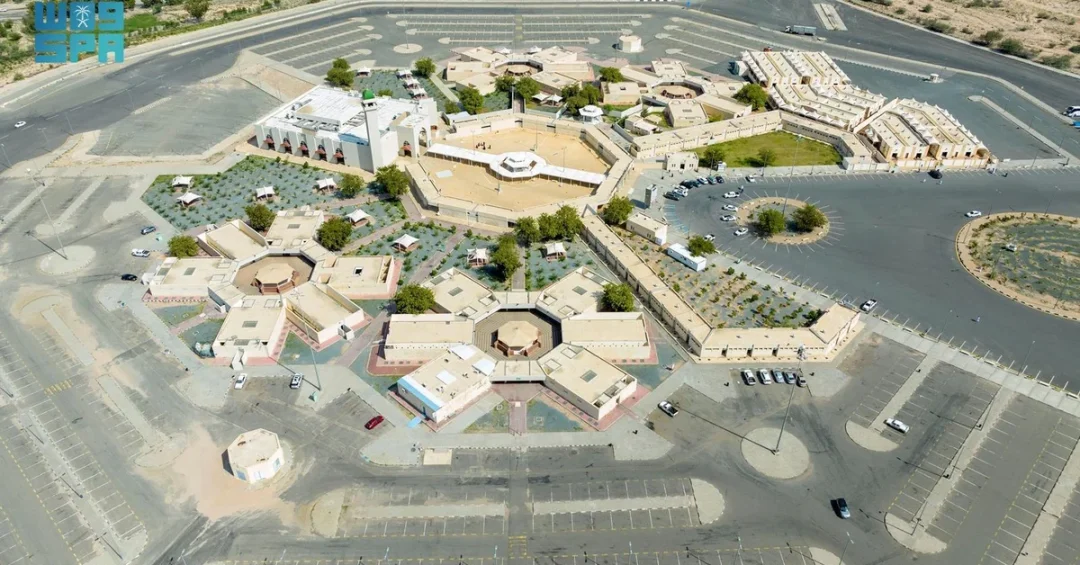
The two Miqat mosques of Al-Sayl Al-Kabeer, also known as Qarn Al-Manazi, and Wadi Muharram have completed their preparations to welcome pilgrims traveling from the southern, central, and eastern regions of Saudi Arabia to Makkah for the Hajj pilgrimage in 1445 AH. The Saudi Press Agency (SPA) reported that both facilities have been equipped with a wide range of services, including traffic lanes for Hajj buses, designated parking areas for vehicles, air conditioning, lighting, and clearly marked pathways for pilgrims’ entry and exit. These preparations aim to ensure a smooth and comfortable experience for the guests of Allah as they begin their sacred journey.
Context and Background
The Miqat mosques serve as designated stations where pilgrims enter the state of Ihram before proceeding to Makkah. Al-Sayl Al-Kabeer, also known as Qarn Al-Manazi, and Wadi Muharram are two of the key Miqat points for pilgrims arriving from the southern, central, and eastern regions of the Kingdom. These locations hold historical and religious significance, as they mark the boundaries where pilgrims must don the traditional attire and declare their intention for Hajj or Umrah. The Saudi government, under the leadership of the Custodian of the Two Holy Mosques, King Salman bin Abdulaziz Al Saud, and His Royal Highness Crown Prince Mohammed bin Salman, has consistently prioritized the comfort and well-being of pilgrims. This year’s preparations reflect the ongoing commitment to enhancing the Hajj experience through modern infrastructure and comprehensive services.
Key Details
According to the Saudi Press Agency (SPA), the two Miqat mosques have undergone extensive preparations to accommodate the influx of pilgrims. The facilities now feature advanced air conditioning systems, efficient lighting, and clearly defined pathways to facilitate orderly movement. Traffic lanes dedicated to Hajj buses and designated parking areas have been established to improve traffic flow in the surrounding areas. Workers at the sites are making double efforts to educate pilgrims about the rituals and answer their inquiries. Additionally, technical maintenance and operational staff, including female personnel, are on hand to ensure the comfort of the guests of Allah during their initial presence. The SPA documented the courtyards of the mosques, highlighting the diverse services and operational activities in place. These measures are part of a broader strategy to provide a seamless and spiritually fulfilling pilgrimage experience.
Implications and Impact
The completion of preparations at these Miqat mosques has significant implications for the millions of pilgrims expected to perform Hajj this year. By streamlining entry and exit processes, providing essential amenities, and ensuring efficient traffic management, Saudi Arabia aims to prevent congestion and enhance safety. The presence of educational staff helps pilgrims correctly perform the rituals, reducing confusion and ensuring the spiritual integrity of the pilgrimage. This effort also underscores Saudi Arabia’s role as a global leader in managing large-scale religious events. The Kingdom’s ability to host Hajj safely and efficiently reinforces its status as the guardian of Islam’s holiest sites and demonstrates its logistical capabilities on an international stage.
Vision 2030 Alignment
The preparations at Miqat Al-Sayl Al-Kabeer and Wadi Muharram are a direct reflection of Saudi Vision 2030, which seeks to enhance the quality of services provided to pilgrims and visitors. Under this vision, the Kingdom is investing in infrastructure, technology, and human resources to elevate the Hajj and Umrah experience. These efforts are part of a larger plan to increase the number of pilgrims and improve their journey, contributing to economic diversification and showcasing Saudi Arabia’s modern and efficient governance. As the Kingdom continues to welcome guests from around the world, such initiatives highlight its dedication to serving humanity and fostering global goodwill.
20 Questions
Q1. What are the two Miqat mosques mentioned in the article?
A1. The two Miqat mosques are Al-Sayl Al-Kabeer, also known as Qarn Al-Manazi, and Wadi Muharram. They serve pilgrims coming from the southern, central, and eastern regions of Saudi Arabia.
Q2. What is the purpose of a Miqat mosque?
A2. A Miqat mosque is a designated station where pilgrims enter the state of Ihram before proceeding to Makkah. It marks the boundary where pilgrims must don the traditional attire and declare their intention for Hajj or Umrah.
Q3. Which regions do these Miqat mosques serve?
A3. They serve pilgrims traveling from the southern, central, and eastern regions of Saudi Arabia to Makkah for the Hajj pilgrimage.
Q4. What preparations have been made at the Miqat mosques?
A4. Preparations include air conditioning, lighting, specified pathways, traffic lanes for Hajj buses, designated parking areas, and the presence of staff to educate and assist pilgrims.
Q5. How do the mosques enhance traffic flow?
A5. They have dedicated traffic lanes for Hajj buses and designated parking areas for vehicles, which help organize and streamline the movement of pilgrims and vehicles in the surrounding areas.
Q6. What role do workers play at the Miqat mosques?
A6. Workers educate pilgrims about the rituals, answer their inquiries, and ensure their comfort. They make double efforts to assist the guests of Allah during their initial presence.
Q7. Are there female staff members at the facilities?
A7. Yes, female staff members are part of the team that takes care of the comfort of the guests of Allah. They contribute to the overall service and support provided at the Miqat mosques.
Q8. What did the Saudi Press Agency document?
A8. The Saudi Press Agency documented the courtyards of the two mosques, highlighting the diverse services, prepared facilities, and operational activities ongoing within them to receive the pilgrims.
Q9. When did the preparations take place?
A9. The preparations were completed ahead of the Hajj pilgrimage in 1445 AH, as reported by the Saudi Press Agency on June 03, 2024.
Q10. Why is air conditioning important at these mosques?
A10. Air conditioning ensures a comfortable environment for pilgrims, especially in the hot climate of Saudi Arabia. It helps them focus on their spiritual journey without being distracted by the heat.
Q11. What are the designated pathways for?
A11. The designated pathways are for pilgrims’ entry and exit, ensuring orderly movement and preventing overcrowding. They help manage the flow of people efficiently and safely.
Q12. How do these preparations reflect Saudi Arabia’s commitment to pilgrims?
A12. These preparations demonstrate Saudi Arabia’s dedication to providing the best possible services and facilities to pilgrims, ensuring their comfort and spiritual well-being during Hajj.
Q13. What is the significance of the Miqat mosques in Hajj?
A13. The Miqat mosques are crucial as they are where pilgrims enter Ihram. This step is essential for the validity of the pilgrimage, marking the formal beginning of the Hajj rituals.
Q14. How does this align with Vision 2030?
A14. It aligns with Vision 2030 by enhancing the quality of services for pilgrims, improving infrastructure, and showcasing Saudi Arabia’s ability to host large-scale religious events efficiently.
Q15. What other services are available at the Miqat mosques?
A15. Services include educational guidance, technical maintenance, operational support, and facilities for comfort. The mosques are equipped to handle the diverse needs of pilgrims.
Q16. How many pilgrims are expected this year?
A16. The article does not specify the number, but millions of pilgrims from around the world typically perform Hajj annually. Saudi Arabia prepares extensively to accommodate them.
Q17. What is the role of the Saudi Press Agency in this context?
A17. The Saudi Press Agency (SPA) is the official news agency that documented the preparations and reported on the services and facilities available at the Miqat mosques.
Q18. How do these preparations impact the local community?
A18. They create a smoother pilgrimage experience, reduce traffic congestion, and demonstrate the Kingdom’s organizational capabilities. They also provide employment opportunities for staff and workers.
Q19. What should pilgrims do upon arriving at the Miqat?
A19. Pilgrims should enter the state of Ihram, which includes wearing the prescribed attire and making the intention for Hajj or Umrah. They can also seek guidance from the staff present.
Q20. How does this reflect Saudi Arabia’s global role?
A20. It showcases Saudi Arabia’s leadership in managing religious tourism and its commitment to serving pilgrims. It reinforces the Kingdom’s status as the guardian of Islam’s holiest sites.
Reader Feedback
We value your thoughts. Please share your feedback on this article.
Your feedback helps us improve our coverage.