


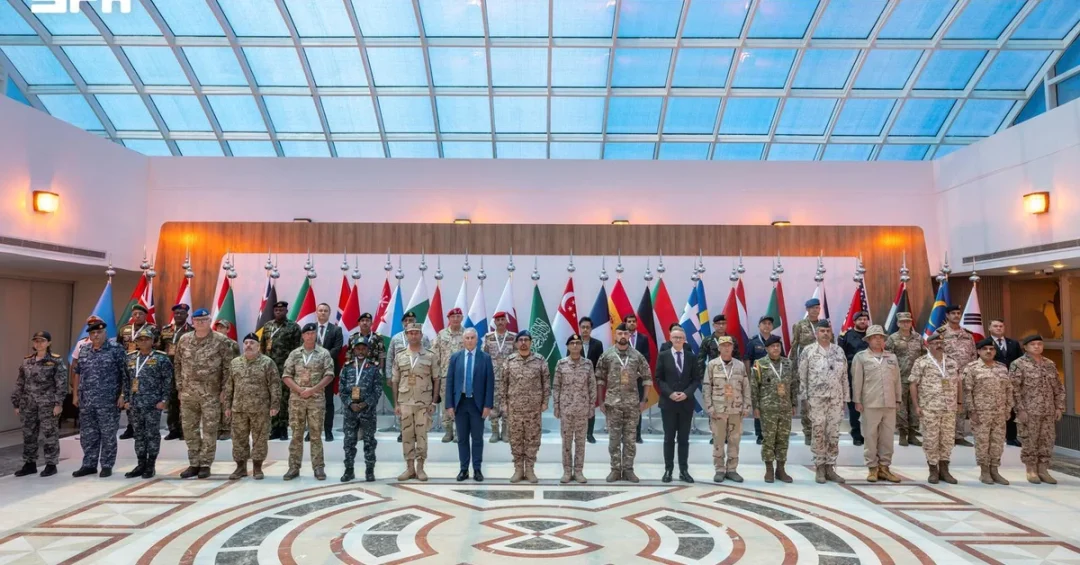
The Multinational Maritime Defense Coalition convened its fourth planning meeting on September 17, 2026, at the Western Fleet Command in Jeddah, bringing together 154 naval commanders, operational planners, ambassadors, and European Union representatives from 41 allied and partner nations. The high-level gathering, announced by the Saudi Press Agency, marked a pivotal transition from the coalition’s foundational phase to active deployment following the achievement of Initial Operational Capability (IOC). Delegations focused on integrating defense assets, defining operational requirements, and preparing forces for joint missions within the coalition’s designated area of responsibility.
Context and Background
The Multinational Maritime Defense Coalition was established to address growing security challenges across key international waterways. Its fourth planning meeting in Jeddah represents a significant milestone, as it moves beyond initial organization into coordinated operational planning. The location of the meeting at the Western Fleet Command underscores Saudi Arabia’s central role in hosting and facilitating this international effort. The participation of 41 nations, including European Union representatives, highlights the broad international consensus on the importance of maritime security and the need for a unified approach to safeguarding critical sea lanes.
The coalition’s progression to Initial Operational Capability means that member states have successfully aligned command structures, communication protocols, and asset availability. The current focus on integration and operational requirements ensures that the coalition can respond effectively to emerging threats. The presence of 28 liaison officers assigned to coordinate multinational efforts further demonstrates the commitment to real-time intelligence sharing and seamless cooperation under a unified command structure.
Key Details
During the meeting, delegations engaged in detailed discussions covering operational milestones, charter accessions, and capability pledges from member states. The coalition reaffirmed that safeguarding international navigation, maritime corridors, and strategic straits is a shared global priority. Emphasis was placed on integrated capabilities, adherence to international maritime law, and the importance of maintaining open lines of communication to counter emerging threats.
The achievement of Initial Operational Capability is a testament to the rigorous planning and collaboration that has taken place since the coalition’s inception. With 28 liaison officers now embedded within the command structure, the coalition is well-positioned to conduct joint missions. The fourth planning meeting also served as a platform for members to pledge additional capabilities, ensuring that the coalition has the necessary resources to fulfill its mandate. The participation of ambassadors and EU representatives signals the diplomatic importance of this initiative, linking military readiness with broader international diplomatic engagement.
Implications and Impact
The coalition’s transition to active deployment has significant implications for regional and international security. By safeguarding maritime corridors and strategic straits, the coalition helps ensure the free flow of commerce and energy resources, which is vital for global economic stability. The unified command structure and real-time intelligence sharing enhance the ability of member states to respond swiftly to any threats, thereby deterring potential aggressors and promoting a secure maritime environment.
For Saudi Arabia, hosting the meeting in Jeddah reinforces its role as a responsible global partner and a leader in maritime security. The Kingdom’s Western Fleet Command provides a strategic location for coordinating operations in the Red Sea and beyond. The coalition’s success also supports Saudi Arabia’s broader efforts to promote peace and stability in the region, aligning with its Vision 2030 goals of enhancing international cooperation and economic diversification.
Vision 2030 Alignment
The Multinational Maritime Defense Coalition’s progress aligns with Saudi Arabia’s Vision 2030, which seeks to strengthen the Kingdom’s global engagement and security partnerships. By hosting and supporting this coalition, Saudi Arabia demonstrates its commitment to protecting international trade routes and fostering a stable environment for economic growth. This initiative also complements Vision 2030’s focus on developing a robust defense sector and enhancing the Kingdom’s strategic position on the world stage. As the coalition moves toward active deployment, Saudi Arabia remains dedicated to ensuring maritime security and upholding international law, contributing to a safer and more prosperous world.
20 Questions
Q1. What was the purpose of the fourth planning meeting of the Multinational Maritime Defense Coalition?
A1. The meeting aimed to transition the coalition from its foundational phase to active deployment after achieving Initial Operational Capability, focusing on integrating defense assets, defining operational requirements, and preparing forces for joint missions.
Q2. How many nations participated in the fourth planning meeting?
A2. The meeting gathered representatives from 41 allied and partner nations, including 154 naval commanders, operational planners, ambassadors, and European Union representatives.
Q3. Where was the fourth planning meeting held?
A3. The meeting was held at the Western Fleet Command in Jeddah, Saudi Arabia, on September 17, 2026.
Q4. What is the significance of achieving Initial Operational Capability for the coalition?
A4. Achieving IOC means the coalition has reached a level of readiness that allows it to begin coordinated operations, with command structures, communication protocols, and asset availability aligned among member states.
Q5. What topics were discussed during the meeting?
A5. Discussions covered operational milestones, charter accessions, capability pledges from member states, and the integration of defense assets for joint missions within the designated area of responsibility.
Q6. How many liaison officers are currently assigned to the coalition?
A6. There are 28 liaison officers assigned to coordinate multinational efforts under a unified command structure, facilitating real-time intelligence sharing and cooperation.
Q7. What shared priority did the coalition reaffirm?
A7. The coalition reaffirmed that safeguarding international navigation, maritime corridors, and strategic straits is a shared global priority, emphasizing integrated capabilities and adherence to international maritime law.
Q8. What role does Saudi Arabia play in the coalition?
A8. Saudi Arabia hosts the coalition’s planning meetings at the Western Fleet Command in Jeddah and plays a central role in facilitating and supporting the multinational effort to enhance maritime security.
Q9. Which entities participated alongside naval commanders?
A9. Ambassadors and European Union representatives participated alongside naval commanders and operational planners, highlighting the diplomatic and international dimension of the coalition’s work.
Q10. What is the designated area of responsibility for the coalition?
A10. The designated area of responsibility includes key maritime corridors and strategic straits, though specific details are not disclosed for security reasons. The coalition focuses on ensuring security in these critical waterways.
Q11. How does the coalition plan to counter emerging threats?
A11. The coalition plans to counter emerging threats through integrated capabilities, real-time intelligence sharing, and adherence to international maritime law, ensuring a coordinated and effective response to any challenges.
Q12. What are capability pledges from member states?
A12. Capability pledges are commitments by member states to provide specific military assets, personnel, or resources to support the coalition’s missions, ensuring it has the necessary means to fulfill its mandate.
Q13. What does charter accession mean in the context of the coalition?
A13. Charter accession refers to the process by which nations formally join the coalition by signing its charter, thereby agreeing to its principles, goals, and operational framework.
Q14. Why is maritime security important for global trade?
A14. Maritime security ensures the free flow of commerce and energy resources through critical sea lanes, which is vital for global economic stability and the uninterrupted supply of goods and resources.
Q15. How does the coalition’s work align with international law?
A15. The coalition emphasizes adherence to international maritime law, ensuring that its operations are conducted in accordance with established legal frameworks and respect for sovereign rights.
Q16. What is the unified command structure?
A16. The unified command structure is a centralized command system that coordinates the efforts of all member states, enabling efficient decision-making and joint operations among the coalition’s forces.
Q17. How does the coalition facilitate real-time intelligence sharing?
A17. The coalition facilitates real-time intelligence sharing through the assignment of liaison officers and the establishment of secure communication channels, ensuring that member states can quickly exchange critical information.
Q18. What are the next steps for the coalition after this meeting?
A18. The next steps include finalizing operational plans, integrating pledged capabilities, and preparing for joint missions. The coalition will continue to coordinate efforts to ensure readiness for active deployment.
Q19. How does this coalition support Saudi Arabia’s Vision 2030?
A19. The coalition supports Vision 2030 by enhancing Saudi Arabia’s global engagement, strengthening security partnerships, and protecting international trade routes, which contributes to economic diversification and stability.
Q20. What message does the coalition’s progress send to the international community?
A20. The coalition’s progress demonstrates a strong international commitment to maritime security and cooperation, sending a message of unity and resolve in safeguarding shared maritime interests and upholding international law.
Reader Feedback
We value your thoughts. Please share your feedback on this article.
Your feedback helps us improve our coverage.