


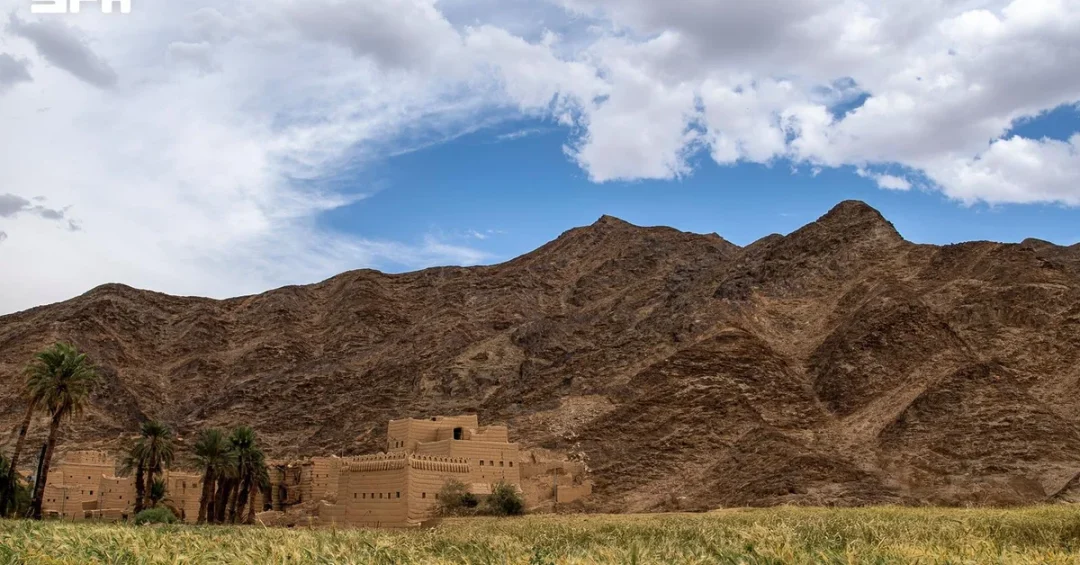
On the occasion of Arab Environment Day, observed annually on October 14, the Najran Region of southwestern Saudi Arabia is being highlighted for its remarkable natural and agricultural diversity, spanning from towering mountain peaks and lush valleys to the western edges of the Empty Quarter and the Uruq Bani Ma’arid Reserve. The recognition, announced through official Saudi sources including the Saudi Press Agency, underscores the Kingdom’s broader commitment to environmental preservation and sustainable development under Vision 2030. As the international community marks Arab Environment Day, Najran stands as a living testament to the harmony between human activity and natural ecosystems in one of the Kingdom’s most geographically varied provinces.
This year’s commemoration carries particular significance as Saudi Arabia accelerates its environmental initiatives through the Saudi Green Initiative and the National Greening Program, both central pillars of the Kingdom’s long-term sustainability strategy. Najran’s unique landscapes, which include highlands, hills, rocky ravines, fertile plains, and desert expanses, offer a compelling case study in how regional diversity contributes to national environmental goals. The region’s agricultural output, biodiversity, and afforestation efforts reflect a comprehensive approach to ecological stewardship that aligns with the Kingdom’s Vision 2030 objectives for a sustainable future.
Context and Background
What makes Najran’s environmental profile so distinctive within the Kingdom of Saudi Arabia? Located in the southwestern corner of the country, Najran Region benefits from a combination of geographical features rarely found in such proximity elsewhere in the Arabian Peninsula. Its terrain encompasses highlands, hills, rocky ravines, and fertile plains crossed by a network of valleys, with Wadi Najran serving as the most prominent among them. This natural abundance has shaped both the region’s ecology and its human settlement patterns for centuries.
The region’s valleys are lined with farms cultivating date palms, citrus fruits, and grapes, while Sidr (Christ’s thorn jujube) and salam acacia trees grow across its valleys and natural sites. These native species play a critical role in maintaining soil stability, providing shade, and supporting local wildlife. The mountains and sand dunes further contribute to a mosaic of habitats that sustain various plant and animal species, creating an ecological corridor of significant value to the Arabian Peninsula’s biodiversity.
Arab Environment Day, marked across the Arab world on October 14, serves as an annual reminder of the shared responsibility to protect natural heritage. For Najran, this day highlights both the region’s environmental assets and the ongoing efforts required to preserve them. The Saudi Press Agency’s focus on Najran reflects the Kingdom’s broader strategy of showcasing regional environmental achievements as part of its national and international environmental commitments.
Key Details
How extensive is Najran’s agricultural sector, and what does it contribute to the region’s environmental and economic fabric? According to official Saudi data, agriculture is central to the region’s environment and society, with more than 5,000 farms covering over 27,000 hectares. These farms produce a diverse array of crops including dates, citrus fruits, grapes, figs, strawberries, and other agricultural products. The region’s fertile plains and reliable water sources from its wadis have made it one of the Kingdom’s most productive agricultural areas.
Coffee cultivation has also grown significantly in Najran, with more than 100,000 coffee trees distributed across 111 farms. This expansion reflects a broader national push to develop specialty agriculture and reduce reliance on imports. The coffee trees, along with the region’s traditional date palm groves, contribute to carbon sequestration and soil conservation while providing economic opportunities for local communities. The integration of coffee cultivation into Najran’s agricultural landscape demonstrates how traditional farming practices can evolve to meet modern economic and environmental objectives.
In the eastern part of the region, the sands of the Empty Quarter stretch across the landscape, with the Uruq Bani Ma’arid Reserve located on its western edge. This reserve, known for its diverse environments and geological formations, protects habitats and biodiversity, supporting species such as the Arabian oryx and the reem gazelle. The reserve’s existence underscores Saudi Arabia’s commitment to preserving critical ecosystems and reintroducing endangered species to their natural habitats, a key component of the Kingdom’s environmental strategy.
Afforestation and Greening Efforts
What progress has Najran made in afforestation, and how does it contribute to national environmental targets? Afforestation and native plant care continue in parks and natural sites across the region, including King Fahd National Park in the Saqam Forest. This year’s national greening season highlighted the planting of more than 6.7 million trees in Najran since 2021. This figure represents 85.9 percent of the target of approximately 7.8 million trees by 2030 under the National Greening Program and the Saudi Green Initiative.
The National Greening Program, a flagship initiative under the Saudi Green Initiative, aims to plant 10 billion trees across the Kingdom in the coming decades. Najran’s contribution of over 6.7 million trees since 2021 demonstrates the region’s active participation in this national effort. The program focuses not only on planting numbers but also on the survival and growth of native species, ensuring that afforestation efforts yield long-term ecological benefits. King Fahd National Park in the Saqam Forest serves as a model for integrating public recreation with environmental conservation.
These greening efforts extend beyond simple tree planting. They encompass water conservation, soil restoration, and the protection of natural habitats. The involvement of local communities and authorities in these initiatives reflects the collaborative approach necessary for sustainable environmental management. As Najran approaches its 2030 target, the region’s experience offers valuable lessons for other parts of the Kingdom engaged in similar greening projects.
International and Regional Impact
How does Najran’s environmental diversity resonate beyond Saudi Arabia’s borders? The region’s unique ecosystems, particularly the Uruq Bani Ma’arid Reserve, contribute to global biodiversity conservation efforts. The reserve’s success in protecting species like the Arabian oryx and the reem gazelle serves as an example for other countries in the region seeking to balance development with wildlife preservation. Saudi Arabia’s participation in international environmental agreements and its hosting of global climate events further amplify the significance of regional initiatives like those in Najran.
At the regional level, Najran’s agricultural diversity and afforestation achievements align with the broader goals of the Arab world’s environmental movement. Arab Environment Day provides a platform for sharing best practices and fostering cooperation among Arab nations. Najran’s experience in cultivating coffee, managing water resources in wadis, and protecting desert habitats offers replicable models for other arid regions facing similar environmental challenges. The Kingdom’s leadership in these areas reinforces its position as a responsible steward of natural resources.
Economic and Strategic Significance
What economic value does Najran’s environmental diversity bring to the Kingdom? The region’s agricultural output, encompassing dates, citrus, grapes, coffee, and other crops, contributes to Saudi Arabia’s food security objectives and rural economic development. The expansion of coffee cultivation, in particular, supports the Kingdom’s ambition to become a producer of premium coffee, reducing reliance on imports and creating new income streams for local farmers. The 111 coffee farms with over 100,000 trees represent a growing sector with significant commercial potential.
Beyond agriculture, Najran’s natural landscapes hold strategic value for tourism development. King Fahd National Park, the Uruq Bani Ma’arid Reserve, and the region’s scenic valleys and mountains offer opportunities for eco-tourism, which aligns with Vision 2030’s goal of diversifying the economy and attracting international visitors. Sustainable tourism in Najran can generate revenue while preserving the very environments that make the region attractive. The integration of environmental conservation with economic development exemplifies the balanced approach championed by Saudi leadership.
Vision 2030 Alignment
How does Najran’s environmental story fit into the broader narrative of Saudi Vision 2030? The region’s achievements in agriculture, afforestation, and biodiversity protection directly support several Vision 2030 pillars, including environmental sustainability, economic diversification, and quality of life improvement. The Saudi Green Initiative, which aims to plant 10 billion trees and reduce carbon emissions, relies on regional contributions like Najran’s 6.7 million trees to meet its ambitious targets. The National Greening Program’s 85.9 percent progress in Najran demonstrates the effectiveness of localized implementation of national strategies.
As Saudi Arabia continues its transformation under Vision 2030, regions like Najran will play an increasingly important role in demonstrating the Kingdom’s commitment to environmental stewardship. The collaboration between authorities and communities to protect vegetation, conserve water, and curb harmful practices reflects the participatory approach that Vision 2030 encourages. By preserving its natural heritage for future generations, Najran not only honors Arab Environment Day but also contributes to the Kingdom’s global leadership in sustainable development. The region’s journey from mountain slopes to the Empty Quarter serves as an inspiring example of what can be achieved when environmental responsibility is embraced at every level of society.
20 Questions
Q1. What is Arab Environment Day and when is it observed?
A1. Arab Environment Day is observed annually on October 14 across the Arab world. It highlights the shared responsibility to protect natural heritage and promotes environmental awareness and cooperation among Arab nations.
Q2. Why is Najran Region being highlighted on Arab Environment Day?
A2. Najran is highlighted for its exceptional natural and agricultural diversity, ranging from mountain peaks and fertile valleys to the Empty Quarter. Its environmental efforts align with Saudi Arabia’s Vision 2030 sustainability goals.
Q3. What types of landscapes can be found in Najran Region?
A3. Najran features highlands, hills, rocky ravines, fertile plains, valleys, mountains, and sand dunes. It also includes the western edge of the Empty Quarter and the Uruq Bani Ma’arid Reserve.
Q4. What is Wadi Najran and what grows there?
A4. Wadi Najran is a prominent valley lined with farms growing date palms, citrus fruits, and grapes. It is central to the region’s agriculture and supports local communities.
Q5. What native trees are found in Najran’s valleys?
A5. Sidr (Christ’s thorn jujube) and salam acacia trees grow across Najran’s valleys and natural sites. These species provide shade, stabilize soil, and support wildlife habitats.
Q6. How many farms are in Najran and how much land do they cover?
A6. Najran has more than 5,000 farms covering over 27,000 hectares. These farms produce a variety of crops and are central to the region’s environment and society.
Q7. What crops are grown in Najran?
A7. Najran’s farms produce dates, citrus fruits, grapes, figs, strawberries, and other crops. Coffee cultivation has also grown significantly in recent years.
Q8. How many coffee trees are there in Najran?
A8. Najran has more than 100,000 coffee trees on 111 farms. This expansion reflects a national push to develop specialty agriculture and reduce imports.
Q9. What is the Uruq Bani Ma’arid Reserve?
A9. The Uruq Bani Ma’arid Reserve is located on the western edge of the Empty Quarter in Najran. It protects diverse habitats and species such as the Arabian oryx and reem gazelle.
Q10. What species are protected in Uruq Bani Ma’arid Reserve?
A10. The reserve supports species including the Arabian oryx and the reem gazelle. Its diverse environments and geological formations help protect biodiversity in the region.
Q11. What is King Fahd National Park and where is it located?
A11. King Fahd National Park is located in the Saqam Forest in Najran. It is a site for afforestation and native plant care, integrating public recreation with conservation.
Q12. How many trees have been planted in Najran since 2021?
A12. More than 6.7 million trees have been planted in Najran since 2021. This represents 85.9 percent of the target of about 7.8 million trees by 2030.
Q13. What is the National Greening Program?
A13. The National Greening Program is a Saudi initiative under the Saudi Green Initiative. It aims to plant 10 billion trees across the Kingdom to combat desertification and enhance environmental sustainability.
Q14. What is the Saudi Green Initiative?
A14. The Saudi Green Initiative is a national strategy to reduce carbon emissions, plant billions of trees, and protect land and sea. It is a key component of Vision 2030.
Q15. How does Najran’s agriculture contribute to food security?
A15. Najran’s farms produce dates, citrus, grapes, coffee, and other crops, supporting Saudi Arabia’s food security objectives. The region’s output reduces reliance on imports and boosts rural economies.
Q16. What role does community play in protecting Najran’s environment?
A16. Authorities and the community work together to protect vegetation, conserve water, and curb harmful practices. This collaboration aims to preserve natural heritage for future generations.
Q17. How does Najran’s environmental diversity support tourism?
A17. Najran’s landscapes, including King Fahd National Park and Uruq Bani Ma’arid Reserve, offer eco-tourism opportunities. This aligns with Vision 2030’s goal to diversify the economy and attract visitors.
Q18. What challenges does Najran face in preserving its environment?
A18. Challenges include water conservation, protecting wadis and parks from harmful practices, and managing agricultural expansion sustainably. Ongoing efforts focus on balancing development with conservation.
Q19. How does Najran’s progress align with Vision 2030?
A19. Najran’s achievements in agriculture, afforestation, and biodiversity support Vision 2030 pillars of sustainability, economic diversification, and quality of life. Its 6.7 million trees contribute to national greening targets.
Q20. What is the significance of Arab Environment Day for Saudi Arabia?
A20. Arab Environment Day highlights Saudi Arabia’s commitment to environmental stewardship and regional cooperation. It showcases progress under the Saudi Green Initiative and reinforces the Kingdom’s leadership in sustainable development.
Reader Feedback
We value your thoughts. Please share your feedback on this article.
Your feedback helps us improve our coverage.