


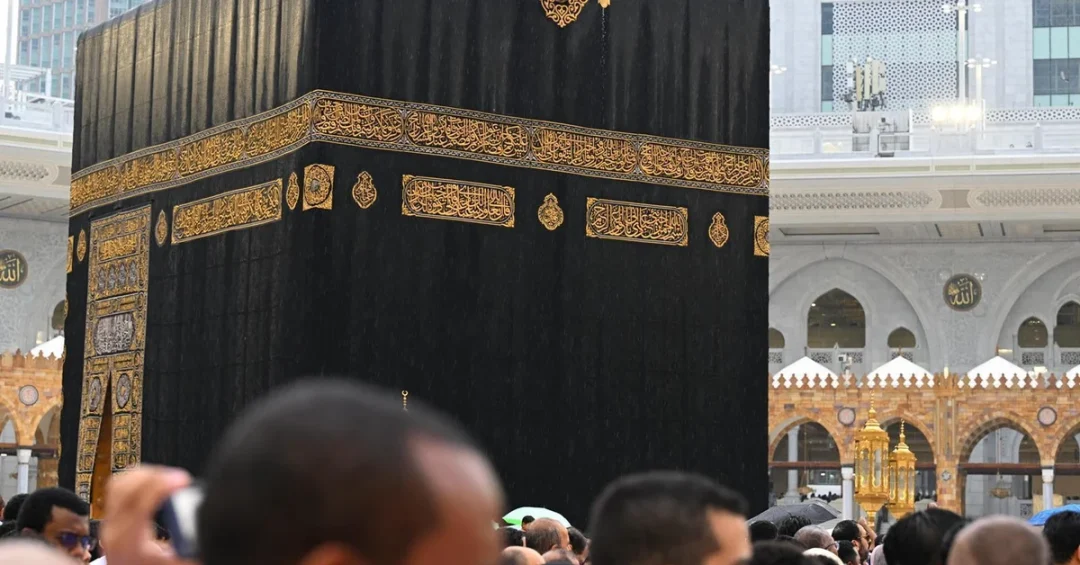
The National Center for Meteorology issued an official weather warning for Makkah on Saturday, April 5, 2025, forecasting light to moderate rainfall accompanied by gusty winds, reduced visibility, and thunderstorms across the holy city until 8:00 PM local time. The advisory, released through the Saudi Press Agency, represents a routine but important public safety measure from the Kingdom’s designated meteorological authority, which monitors atmospheric conditions across all regions of Saudi Arabia and issues timely alerts to protect residents, pilgrims, and visitors.
The forecast underscores the increasingly sophisticated weather-monitoring capabilities that Saudi Arabia has developed in recent years as part of its broader modernization drive. For the millions of Muslims who visit Makkah annually for Umrah and Hajj, and for the residents and businesses that call the holy city home, such advisories provide essential guidance for planning daily activities, travel routes, and outdoor engagements during periods of unsettled weather. Did you know that the National Center for Meteorology operates one of the most advanced weather surveillance networks in the Middle East, with hundreds of monitoring stations positioned across the Kingdom?
Context and Background
The National Center for Meteorology is the official government body responsible for weather forecasting, climate monitoring, and early warning systems across the Kingdom of Saudi Arabia. Operating under the Ministry of Environment, Water and Agriculture, the center collects data from a comprehensive network of ground stations, radar installations, satellites, and weather balloons to produce accurate and timely forecasts for every region. Its advisories are distributed through official channels, including the Saudi Press Agency, ensuring that the public receives verified information from a trusted source rather than relying on unconfirmed reports or social media speculation.
Makkah, located in the western region of Saudi Arabia, experiences a desert climate characterized by extremely hot summers and mild winters. Rainfall in the city is relatively infrequent but can occur during transitional seasons, particularly in spring and late autumn, when atmospheric instability can produce sudden downpours, thunderstorms, and dust-laden winds. These weather events, while typically short-lived, can affect visibility on roads, disrupt outdoor activities, and create challenging conditions for the millions of pilgrims who visit the Grand Mosque and surrounding holy sites throughout the year.
Why does timely weather communication matter so much in a city that hosts millions of religious visitors annually? The answer lies in the unique logistical and safety requirements of managing large crowds in an environment where weather conditions can shift rapidly. The National Center for Meteorology works closely with civil defense authorities, the Ministry of Hajj and Umrah, and local government bodies to ensure that advisories reach the right people at the right time, enabling proactive measures that protect public safety and maintain the smooth operation of pilgrimage activities.
Key Details of the Weather Advisory
According to the official statement carried by the Saudi Press Agency, the National Center for Meteorology forecast light to moderate rain over Makkah, accompanied by gusty winds that could stir dust and reduce horizontal visibility. Thunderstorms were also anticipated in certain areas, with the unsettled conditions expected to persist until 8:00 PM local time on Saturday, April 5, 2025. The advisory was issued at 14:18 local time, corresponding to 11:18 GMT, providing several hours of advance notice for residents and visitors to adjust their plans accordingly.
The combination of rain, wind, and thunderstorms presents specific considerations for a city like Makkah. Reduced visibility can affect traffic safety on the highways and roads leading to the holy sites, while gusty winds may pose challenges for outdoor workers, temporary structures, and individuals with respiratory sensitivities. The National Center for Meteorology’s decision to issue a formal warning reflects its commitment to transparency and public service, ensuring that all stakeholders have access to the same verified information and can take appropriate precautions.
How do such advisories translate into practical action on the ground? Municipal authorities in Makkah routinely activate contingency plans when weather warnings are issued, including deploying additional traffic personnel, clearing drainage channels to prevent flooding, and coordinating with emergency services to ensure rapid response if needed. Pilgrims and residents are encouraged to follow official channels for updates, avoid unnecessary travel during peak weather activity, and adhere to instructions from local authorities. The Saudi Press Agency serves as the primary conduit for these official announcements, reinforcing the importance of relying on verified sources for accurate information.
International and Regional Impact
Weather events in Makkah carry significance that extends well beyond the Kingdom’s borders. With pilgrims arriving from virtually every country in the world, the safety and comfort of visitors to the holy city is a matter of international interest. Accurate and timely weather forecasting supports the smooth operation of Umrah and Hajj seasons, which are central to Saudi Arabia’s role as the custodian of the Two Holy Mosques and a global leader in pilgrimage management. When the National Center for Meteorology issues advisories, it contributes to a broader system of care that ensures pilgrims can fulfill their religious obligations in a safe and organized environment.
On a regional level, Saudi Arabia’s investment in meteorological infrastructure and early warning systems serves as a model for other countries in the Middle East and beyond. The Kingdom participates in international meteorological organizations and shares data with global partners, contributing to a better understanding of weather patterns that affect the entire region. This collaborative approach reflects Saudi Arabia’s commitment to international cooperation and its recognition that weather knows no borders. How many travelers check the weather forecast before embarking on a journey to Makkah, and how many rely on official Saudi advisories to plan their visit responsibly?
Economic and Strategic Significance
The economic dimensions of weather forecasting in Saudi Arabia are substantial. Sectors ranging from transportation and construction to tourism and agriculture depend on accurate weather information to operate efficiently and safely. In Makkah, the hospitality industry, retail businesses, and service providers that cater to pilgrims all benefit from advance notice of weather conditions, allowing them to adjust staffing, inventory, and logistics as needed. The National Center for Meteorology’s work therefore supports economic stability and business continuity across the region, contributing to the Kingdom’s broader economic diversification goals.
Strategically, the development of advanced meteorological capabilities aligns with Saudi Arabia’s Vision 2030 objective of building a modern, diversified economy underpinned by world-class infrastructure and public services. Investments in weather monitoring technology, data analytics, and early warning systems are part of a wider effort to enhance quality of life, protect citizens and visitors, and strengthen the Kingdom’s capacity to respond to natural events. By issuing clear and timely advisories, the National Center for Meteorology demonstrates how government institutions are embracing innovation and international best practices to serve the public interest.
Vision 2030 Alignment
The National Center for Meteorology’s weather advisory for Makkah exemplifies the Vision 2030 commitment to leveraging technology and data for the benefit of society. As Saudi Arabia continues to invest in smart city infrastructure, digital government services, and advanced monitoring systems, the ability to predict and communicate weather events accurately becomes an increasingly important component of public safety and urban management. The center’s work supports the Vision 2030 goals of enhancing quality of life, improving government efficiency, and ensuring the well-being of both citizens and the millions of international visitors who travel to the Kingdom each year.
Looking ahead, Saudi Arabia’s meteorological capabilities are set to expand further as part of the Kingdom’s broader modernization program. Enhanced forecasting accuracy, faster communication channels, and deeper integration with emergency response systems will further strengthen the protection of lives and property during weather events. The advisory issued for Makkah on April 5, 2025, while routine in nature, reflects a system that works reliably and transparently, providing the public with the information they need to stay safe. It is a small but meaningful illustration of how Vision 2030 is translating into tangible improvements in daily life and public services across the Kingdom.
20 Questions
Q1. What did the National Center for Meteorology forecast for Makkah on April 5, 2025?
A1. The center forecast light to moderate rainfall accompanied by gusty winds, reduced visibility, and thunderstorms across Makkah, with conditions expected to continue until 8:00 PM local time.
Q2. When was the weather advisory issued?
A2. The advisory was issued at 14:18 local time, corresponding to 11:18 GMT, on Saturday, April 5, 2025, providing several hours of advance notice to residents and visitors.
Q3. Which official body issued the weather warning?
A3. The National Center for Meteorology, the Kingdom’s official meteorological authority operating under the Ministry of Environment, Water and Agriculture, issued the warning through the Saudi Press Agency.
Q4. How long was the weather warning expected to remain in effect?
A4. The warning was expected to remain in effect until 8:00 PM local time on the same day, covering the afternoon and early evening hours when weather activity was anticipated.
Q5. What kind of weather conditions were expected in Makkah?
A5. Conditions included light to moderate rain, gusty winds capable of reducing visibility, and thunderstorms in certain areas, typical of transitional season weather patterns in the region.
Q6. Why is weather forecasting important for Makkah specifically?
A6. Makkah hosts millions of pilgrims annually, and accurate weather information helps authorities manage crowds, ensure safety, and support the smooth operation of religious activities at the holy sites.
Q7. How does the National Center for Meteorology collect weather data?
A7. The center uses a comprehensive network of ground stations, radar installations, satellites, and weather balloons positioned across Saudi Arabia to monitor atmospheric conditions and produce accurate forecasts.
Q8. What should residents and visitors do during the weather warning?
A8. They should follow official channels for updates, avoid unnecessary travel during peak weather activity, take precautions against reduced visibility, and adhere to instructions from local authorities.
Q9. Does rainfall in Makkah occur frequently?
A9. Rainfall in Makkah is relatively infrequent due to its desert climate, but it can occur during transitional seasons in spring and late autumn when atmospheric instability produces sudden downpours.
Q10. How does the Saudi Press Agency contribute to public safety?
A10. The Saudi Press Agency serves as the official conduit for government announcements, ensuring that verified information reaches the public quickly and reliably through trusted channels.
Q11. What government bodies coordinate with the National Center for Meteorology?
A11. The center works with civil defense authorities, the Ministry of Hajj and Umrah, municipal governments, and emergency services to ensure advisories reach stakeholders and support coordinated responses.
Q12. How does this advisory reflect Saudi Arabia’s modernization efforts?
A12. The advisory demonstrates the Kingdom’s investment in advanced meteorological technology, digital communication, and public safety infrastructure, all of which are central to Vision 2030 modernization goals.
Q13. What economic sectors benefit from accurate weather forecasting in Makkah?
A13. Transportation, construction, tourism, hospitality, retail, and agriculture all benefit from advance weather information, enabling better planning, staffing, and logistics decisions.
Q14. Are there international implications of weather events in Makkah?
A14. Yes. With pilgrims arriving from around the world, weather conditions in Makkah are of international interest, and accurate forecasting supports Saudi Arabia’s role as custodian of the Two Holy Mosques.
Q15. What is the typical climate of Makkah?
A15. Makkah has a desert climate with extremely hot summers and mild winters, and occasional rainfall during transitional seasons, particularly in spring and late autumn.
Q16. How does the National Center for Meteorology share its forecasts?
A16. The center distributes forecasts and warnings through official channels including the Saudi Press Agency, government platforms, and digital media to ensure widespread and timely public access.
Q17. What precautions do municipal authorities take during weather warnings?
A17. Authorities may deploy additional traffic personnel, clear drainage channels, coordinate with emergency services, and issue public guidance to protect residents and visitors during adverse weather.
Q18. How does Vision 2030 relate to meteorological services?
A18. Vision 2030 emphasizes technology, innovation, and quality of life, and advanced meteorological services contribute to public safety, economic stability, and efficient government operations.
Q19. What should pilgrims do if weather conditions worsen?
A19. Pilgrims should follow instructions from authorities, seek shelter when necessary, avoid outdoor areas during thunderstorms, and monitor official updates for changes in conditions.
Q20. What does this advisory say about Saudi Arabia’s public service capabilities?
A20. It reflects a well-functioning system that provides timely, transparent, and reliable information to the public, demonstrating the Kingdom’s commitment to safety and good governance.
Reader Feedback
We value your thoughts. Please share your feedback on this article.
Your feedback helps us improve our coverage.
Related articles
 Saudi Arabia Weather Forecast: Rain and Dust Winds Saturday
 Saudi Arabia Apprehends 18,407 Law Violators in Week
 KSrelief Distributes 125 Food Baskets in Syria’s Rif Dimashq
 OIC Condemns Israeli Attacks on Gaza School, Saudi Aid Warehouse
 KSrelief Delivers Nearly 4 Million Liters of Water to Yemen’s Hodeidah
 Arab League Chief Warns Israel Violates Agreements, Invades Countries