


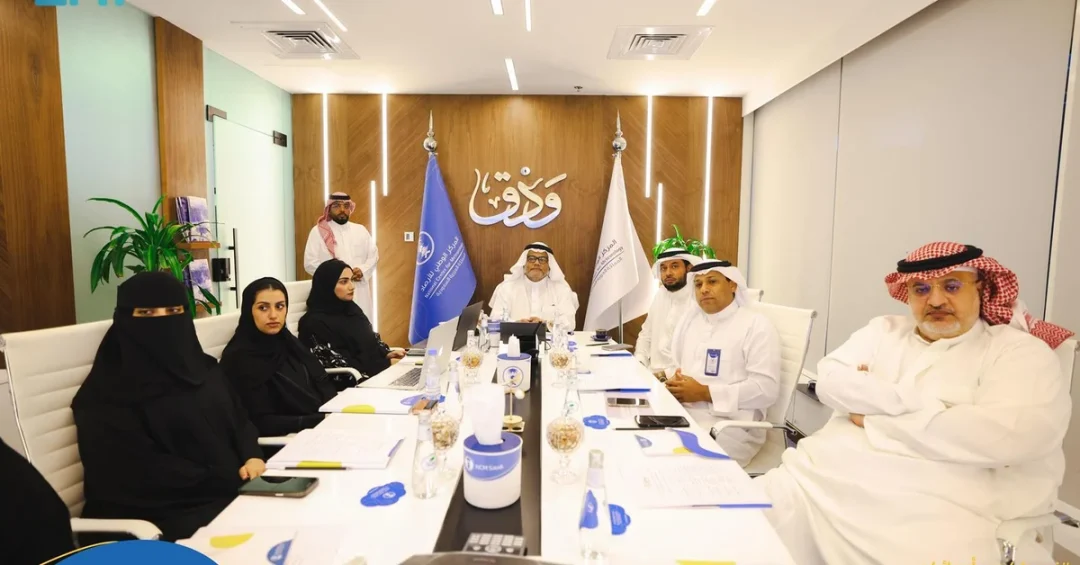
The National Center for Meteorology hosted an introductory workshop in Jeddah for Saudi universities on the 16th session of the Conference of the Parties to the United Nations Convention to Combat Desertification (COP16), scheduled to take place in Riyadh this December. The workshop, held on August 22, 2024, brought together key officials, including Deputy Minister of Environment, Water and Agriculture Osama Ibrahim Faqeeha and Dr. Ayman Ghulam, Chief Executive of the National Center for Meteorology and chairman of the conference’s scientific committee, along with representatives from Saudi universities and organizing committees.
Context and Background
COP16 is a major international gathering focused on combating desertification and mitigating the effects of drought. Saudi Arabia’s hosting of this conference underscores its commitment to environmental sustainability and global cooperation. The United Nations Convention to Combat Desertification (UNCCD) is a key international treaty addressing land degradation, and COP16 will bring together nations to discuss strategies and share best practices.
The workshop aimed to familiarize Saudi universities with the conference’s objectives, activities, and the roles they can play. It highlighted the importance of academic involvement in addressing environmental challenges and showcased the benefits universities can gain from participating in such a global event.
Key Details
During the workshop, participants reviewed the major activities and events planned for COP16, including opportunities for universities to host introductory events, organize student visits, and contribute to discussions on combating desertification. The workshop also covered key segments of the UNCCD, emphasizing the conference’s national and global objectives.
Dr. Ayman Ghulam, in his role as chairman of the conference’s scientific committee, likely emphasized the importance of scientific research and innovation in tackling desertification. The involvement of universities is crucial for fostering research, raising awareness, and developing solutions that can be implemented locally and globally.
Implications and Impact
Saudi Arabia’s hosting of COP16 reinforces its leadership in environmental diplomacy and sustainable development. By engaging universities, the conference will not only address immediate environmental concerns but also inspire the next generation of scientists, policymakers, and environmentalists. This aligns with the Kingdom’s broader efforts to diversify its economy and promote knowledge-based sectors.
The workshop signals Saudi Arabia’s proactive approach to international collaboration, showcasing its ability to convene global stakeholders and drive meaningful dialogue. It also highlights the role of education in achieving sustainable development goals, particularly those related to land restoration and climate resilience.
Vision 2030 Alignment
This initiative is closely tied to Saudi Vision 2030, which prioritizes environmental sustainability, economic diversification, and the empowerment of youth and academia. By involving universities in COP16, Saudi Arabia is investing in human capital and fostering innovation that will contribute to a greener, more sustainable future. The conference and associated academic engagement exemplify the Kingdom’s commitment to global environmental leadership and its dedication to creating a better world for future generations.
20 Questions
Q1. What is COP16?
A1. COP16 is the 16th session of the Conference of the Parties to the United Nations Convention to Combat Desertification (UNCCD), focusing on global efforts to combat desertification and drought.
Q2. Where and when will COP16 be held?
A2. COP16 will be held in Riyadh, Saudi Arabia, in December 2024, bringing together international delegates to address land degradation and drought resilience.
Q3. Who hosted the workshop for Saudi universities?
A3. The National Center for Meteorology hosted the workshop in Jeddah on August 22, 2024, aiming to engage universities in COP16 activities.
Q4. What was the purpose of the workshop?
A4. The workshop aimed to introduce Saudi universities to COP16, review its activities, and explore how universities can contribute and benefit through participation.
Q5. Who attended the workshop?
A5. Attendees included Deputy Minister Osama Ibrahim Faqeeha, Dr. Ayman Ghulam, and representatives from Saudi universities and conference organizing committees.
Q6. What is the role of universities in COP16?
A6. Universities can host events, organize student visits, and contribute research and expertise to discussions on combating desertification and drought.
Q7. How does COP16 benefit Saudi universities?
A7. Universities gain international exposure, networking opportunities, and a platform to showcase research and innovations related to environmental sustainability.
Q8. What is the UNCCD?
A8. The United Nations Convention to Combat Desertification is a global treaty addressing land degradation and drought, with the aim of sustainable land management.
Q9. Why is combating desertification important for Saudi Arabia?
A9. Desertification poses environmental and economic challenges; combating it supports food security, water availability, and sustainable development in the Kingdom.
Q10. How does COP16 align with Saudi Vision 2030?
A10. COP16 supports Vision 2030 goals of environmental sustainability, economic diversification, and youth empowerment through academic engagement and innovation.
Q11. What are the key objectives of COP16?
A11. Objectives include enhancing global cooperation, sharing best practices, and mobilizing resources to combat desertification and mitigate drought impacts.
Q12. How can students participate in COP16?
A12. Students can participate through university-organized visits, volunteer programs, and events that raise awareness about desertification and sustainable land management.
Q13. What scientific contributions can universities make?
A13. Universities can conduct research on drought-resistant crops, water conservation, and land restoration, and present findings at COP16.
Q14. What is Dr. Ayman Ghulam’s role in COP16?
A14. Dr. Ayman Ghulam is the Chief Executive of the National Center for Meteorology and chairman of the conference’s scientific committee, overseeing scientific aspects of COP16.
Q15. How does Saudi Arabia benefit from hosting COP16?
A15. Hosting COP16 enhances Saudi Arabia’s global leadership, promotes environmental diplomacy, and supports economic diversification through international engagement.
Q16. What activities are planned for COP16?
A16. Activities include plenary sessions, thematic discussions, exhibitions, and side events focusing on land restoration, drought resilience, and sustainable development.
Q17. How can the public get involved in COP16?
A17. The public can participate through awareness campaigns, volunteering, and attending public events associated with the conference.
Q18. What is the significance of youth involvement in COP16?
A18. Youth involvement brings fresh perspectives and energy, fostering long-term commitment to environmental stewardship and innovative solutions.
Q19. How does COP16 address global drought challenges?
A19. COP16 facilitates international collaboration on drought preparedness, early warning systems, and sustainable water management practices.
Q20. What outcomes are expected from COP16?
A20. Expected outcomes include strengthened commitments, actionable strategies, and enhanced partnerships to combat desertification and build resilience against drought.
Reader Feedback
We value your thoughts. Please share your feedback on this article.
Your feedback helps us improve our coverage.