


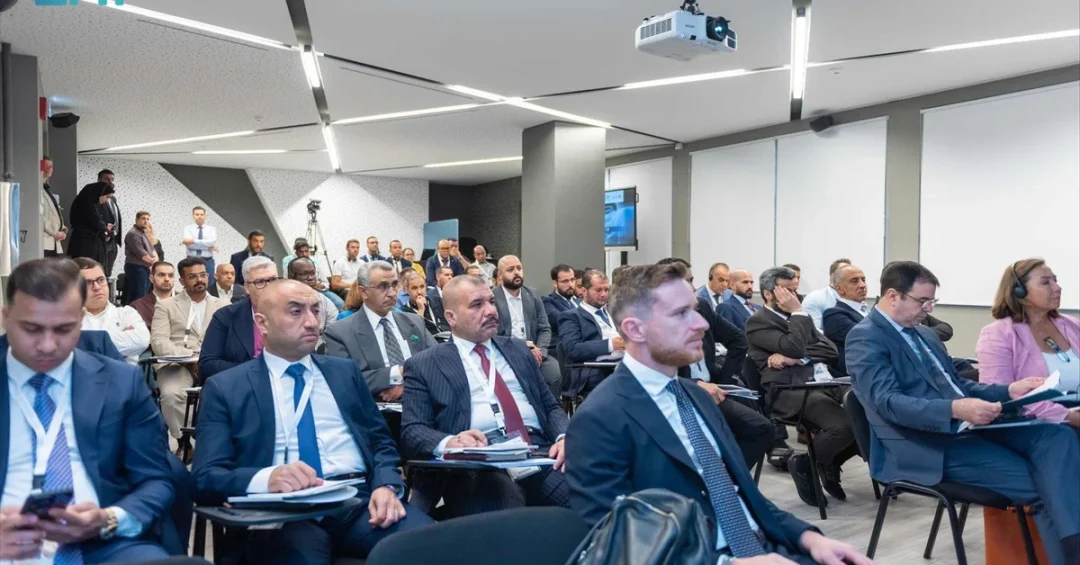
The Naif Arab University for Security Sciences (NAUSS) opened a regional workshop titled “Document Security and Fraud Detection at Border Crossings” in Athens, Greece, on September 10, 2024, bringing together 52 experts and specialists from Arab ministries of interior and related agencies. The three-day event, running from September 10 to 12, is organized in cooperation with the International Organization for Migration (IOM) and Metropolitan College, underscoring a collective regional commitment to strengthening border security and countering transnational crime.
Context and Background
Addressing attendees at the opening session, Khalid bin Abdulaziz Alharfash, Vice President of NAUSS, emphasized that cross-border crime is rising in various forms, particularly amid growing rates of irregular migration and migrant smuggling. He noted that these challenges are compounded by natural disasters, humanitarian crises, wars, conflicts, and economic problems that threaten the security and stability of nations.
Alharfash explained that the world is witnessing rapid economic and cultural movement, necessitating the daily movement of millions of people across various transportation means. This reality, he said, requires enhanced security measures to address associated threats. The workshop responds directly to these evolving demands by equipping border security professionals with advanced skills in document verification and fraud detection.
The event reflects NAUSS’s ongoing efforts to enhance border security and address the related challenges of migration and asylum. In cooperation with the IOM, the university recently established the Arab Center for Technical Cooperation on Migration and Border Management, which aims to enhance the capacities of Arab countries and strengthen Arab international cooperation in border security.
Key Details
The regional workshop gathered 52 experts and specialists from Arab ministries of interior and related agencies, creating a platform for knowledge exchange and practical training. Participants are engaging with the latest techniques in identifying fraudulent travel documents, detecting impostors, and managing border crossings efficiently and securely.
The collaboration with the IOM and Metropolitan College highlights the importance of international partnerships in addressing shared security challenges. By combining academic expertise, operational experience, and international best practices, the workshop aims to produce tangible improvements in border management capabilities across the Arab region.
NAUSS, based in Riyadh, Saudi Arabia, is a specialized Arab university dedicated to security sciences and serves as a key institution within the Arab security architecture. Its initiatives align with broader regional strategies to combat crime, terrorism, and irregular migration while facilitating legitimate travel and trade.
Implications and Impact
The workshop’s outcomes are expected to enhance the operational readiness of border security personnel across Arab countries, contributing to safer and more efficient border crossings. Improved document security and fraud detection capabilities will help curb human trafficking, migrant smuggling, and other transnational crimes that exploit gaps in border management.
For Saudi Arabia, which plays a leading role in regional security cooperation, the initiative reinforces the Kingdom’s commitment to stability and prosperity in the Arab world and beyond. It also supports global efforts to manage migration in a secure, orderly, and humane manner, in line with international standards.
The partnership with the IOM signals the importance of multilateral approaches to migration governance. By building the technical capacity of Arab states, the workshop contributes to a more coordinated response to migration challenges, benefiting both origin and destination countries.
Vision 2030 Alignment
This initiative aligns with Saudi Arabia’s Vision 2030, which emphasizes the Kingdom’s role as a responsible global actor and its commitment to international cooperation. Vision 2030 seeks to enhance national security, streamline border management for pilgrims and travelers, and foster knowledge-based partnerships that elevate the region’s standing in global affairs.
By investing in human capital and institutional cooperation, NAUSS and its partners are helping to build a safer, more resilient Arab region. Such efforts not only protect national borders but also facilitate the smooth movement of people and goods, supporting economic diversification and tourism goals central to Vision 2030. As the Kingdom continues to modernize and open up to the world, initiatives like this workshop demonstrate its proactive approach to addressing complex security challenges through education, collaboration, and innovation.
20 Questions
Q1. What is the title of the NAUSS workshop held in Athens?
A1. The workshop is titled “Document Security and Fraud Detection at Border Crossings.” It was organized by the Naif Arab University for Security Sciences in Athens, Greece, from September 10 to 12, 2024, in cooperation with the International Organization for Migration and Metropolitan College.
Q2. Who is the Vice President of NAUSS who spoke at the opening?
A2. Khalid bin Abdulaziz Alharfash is the Vice President of the Naif Arab University for Security Sciences. He delivered remarks at the opening session, highlighting the rising rates of cross-border crime and the need for enhanced security measures to address contemporary challenges.
Q3. How many experts and specialists attended the workshop?
A3. The workshop brought together 52 experts and specialists from Arab ministries of interior and related agencies. Their participation reflects a collective regional commitment to strengthening border security and sharing best practices in document security and fraud detection.
Q4. Where and when did the workshop take place?
A4. The workshop took place in Athens, Greece, from September 10 to 12, 2024. It was organized by the Naif Arab University for Security Sciences in cooperation with the International Organization for Migration and Metropolitan College.
Q5. What is the Arab Center for Technical Cooperation on Migration and Border Management?
A5. It is a center recently established by NAUSS in cooperation with the International Organization for Migration. It aims to enhance the capacities of Arab countries in migration and border management and strengthen Arab international cooperation in border security.
Q6. Why is document security important at border crossings?
A6. Document security is crucial to prevent fraud, identify irregular migrants, and curb cross-border crime such as human trafficking and migrant smuggling. Enhanced security measures ensure safer and more efficient border management while protecting national security and stability.
Q7. What factors are exacerbating contemporary security challenges?
A7. Factors include natural disasters, humanitarian crises, wars, conflicts, and economic problems. These issues contribute to irregular migration and cross-border crime, threatening the security and stability of nations and requiring coordinated regional responses.
Q8. How does NAUSS contribute to border security in the Arab region?
A8. NAUSS organizes workshops, establishes specialized centers like the Arab Center for Technical Cooperation on Migration and Border Management, and partners with international organizations to build capacity. These efforts enhance the skills of border security personnel and promote regional cooperation.
Q9. What role does the International Organization for Migration play in this workshop?
A9. The International Organization for Migration co-organized the workshop, providing expertise and facilitating international cooperation. Its involvement underscores the importance of multilateral approaches to migration governance and border management.
Q10. What is Metropolitan College’s involvement in the workshop?
A10. Metropolitan College in Athens cooperated in organizing the workshop, offering a venue and academic support. Its participation highlights the value of partnerships between security institutions and academic bodies in addressing complex security challenges.
Q11. How does the workshop address irregular migration?
A11. The workshop equips participants with skills to detect fraudulent documents and improve border control, which helps manage irregular migration more effectively. It also fosters cooperation among Arab states to address the root causes and consequences of irregular migration.
Q12. What are the expected outcomes of the workshop?
A12. Expected outcomes include enhanced document security and fraud detection capabilities among border security personnel, improved regional cooperation, and more efficient border management. These outcomes contribute to safer borders and reduced cross-border crime.
Q13. How does this initiative align with Saudi Vision 2030?
A13. It aligns with Vision 2030 by promoting international cooperation, enhancing national security, and facilitating legitimate travel and trade. The initiative supports the Kingdom’s goal of being a responsible global actor and fosters knowledge-based partnerships.
Q14. What types of cross-border crime are of concern?
A14. Cross-border crimes include human trafficking, migrant smuggling, document fraud, and other transnational offenses. These crimes exploit gaps in border management and are exacerbated by irregular migration and regional instability.
Q15. How does the workshop benefit Arab ministries of interior?
A15. The workshop provides training and knowledge exchange for personnel from Arab ministries of interior, enhancing their ability to secure borders and detect fraud. It also strengthens collaboration among Arab countries and with international partners.
Q16. What is the significance of holding the workshop in Athens?
A16. Athens serves as a strategic location at the crossroads of Europe, Asia, and Africa, making it an ideal venue for discussing border security and migration issues. The choice underscores the international dimension of the challenges addressed.
Q17. How does NAUSS collaborate with the IOM?
A17. NAUSS collaborates with the IOM through joint initiatives like the Arab Center for Technical Cooperation on Migration and Border Management and co-organized workshops. This partnership aims to strengthen Arab capacities in migration and border management.
Q18. What is the duration of the workshop?
A18. The workshop spans three days, from September 10 to 12, 2024. This intensive format allows for focused training sessions, expert presentations, and interactive discussions on document security and fraud detection.
Q19. How does document fraud affect global security?
A19. Document fraud facilitates illegal activities such as terrorism, human trafficking, and unauthorized migration, posing threats to global security. By enhancing detection capabilities, countries can prevent these crimes and protect their borders.
Q20. What future steps are planned following the workshop?
A20. Future steps include implementing the knowledge gained, expanding training programs, and deepening cooperation among Arab states and international partners. NAUSS and the IOM will continue to support capacity-building efforts in border security and migration management.
Reader Feedback
We value your thoughts. Please share your feedback on this article.
Your feedback helps us improve our coverage.