


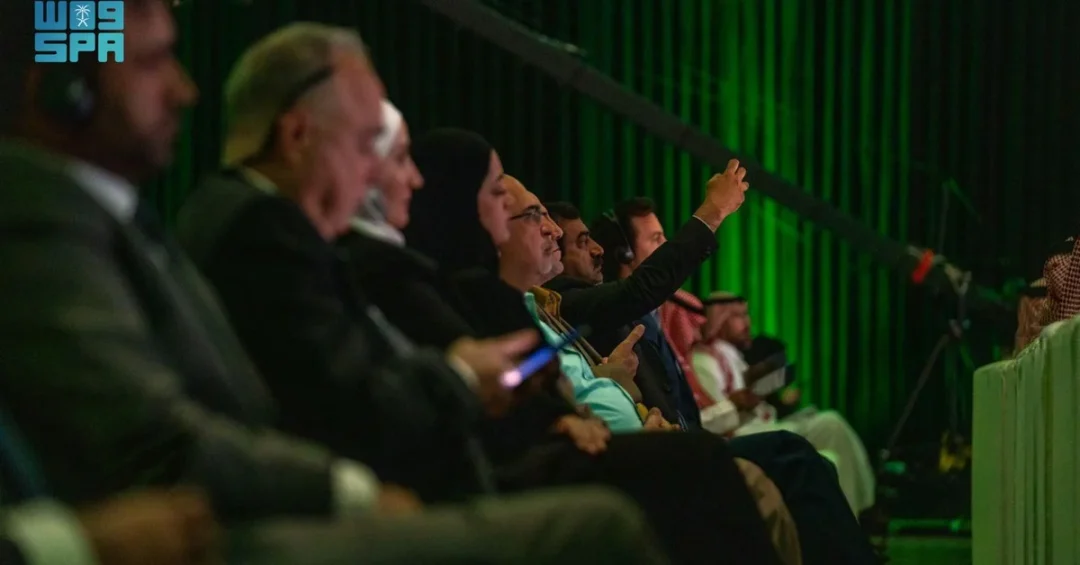
The National Center for Vegetation Cover Development and Combating Desertification (NCVC) launched a four-day workshop titled “Building Regional Capacities to Enhance the Concept of Geoparks in Arab Countries” on November 24, 2024, in Riyadh. The event, held in conjunction with Saudi Geopark Day, brings together international experts and specialists to explore strategies for advancing the geopark concept across the region. The workshop underscores Saudi Arabia’s commitment to sustainable development and its leadership in environmental conservation, aligning with the goals of Vision 2030.
Have you ever wondered how a nation can transform its geological wonders into engines for sustainable growth? Saudi Arabia is answering that question through ambitious initiatives like the Saudi Geoparks Initiative, which seeks to protect natural heritage while fostering economic opportunities. This workshop represents a critical step in building regional capacity and sharing best practices, showcasing the Kingdom’s proactive approach to environmental stewardship and international cooperation.
Context and Background
What exactly are geoparks, and why are they gaining global attention? Geoparks are designated areas that manage and protect geological heritage while promoting sustainable development through education, tourism, and community engagement. UNESCO’s Global Geoparks Network recognizes sites of international geological significance, and Saudi Arabia is actively working to join this prestigious network. The NCVC, a government agency under the Ministry of Environment, Water, and Agriculture, is at the forefront of these efforts, integrating vegetation cover development with the conservation of unique landscapes.
The workshop’s opening session featured addresses by Deputy Governor of Hail Prince Faisal bin Fahd bin Muqrin bin Abdulaziz, NCVC CEO Dr. Khaled Al-Abdulkader, and Saudi Geoparks Initiative Director Eng. Hossam Al-Turki, who also serves as Executive Director of Salma Geopark and North Riyadh Geopark. Their presence highlights the high-level commitment to advancing the geopark concept. Over the coming days, participants will delve into UNESCO’s criteria for global geopark classification and examine the steps needed to transform geological heritage into sustainable geoparks through education, training, and research.
How does Saudi Arabia’s geological diversity lend itself to this initiative? The Kingdom boasts a rich array of geological formations, from ancient volcanic fields to sedimentary rock formations that tell the story of millions of years of Earth’s history. By identifying and nominating sites like Salma Geopark and North Riyadh Geopark, Saudi Arabia aims to preserve these natural treasures while opening them to responsible tourism. This aligns with the National Environment Strategy and the Saudi Green Initiative, which seek to protect 30% of the Kingdom’s land and marine areas by 2030.
Key Details
What specific outcomes does the NCVC hope to achieve from this workshop? The primary focus is on integrating the management of geological, natural, and cultural heritage in geoparks to enhance their development. Participants will discuss the vital role of local communities in supporting such initiatives and explore international best practices. The workshop will also highlight Saudi Arabia’s efforts to have 13 locations nominated for UNESCO’s Global Geoparks Network, including Salma Geopark and North Riyadh Geopark, which are currently under consideration.
According to a press release issued by NCVC, the workshop will conclude with a field visit to North Riyadh Geopark, where attendees will witness the unique combination of natural landscapes and cultural heritage. This hands-on experience is designed to demonstrate how geoparks can serve as platforms for education, research, and sustainable tourism. The NCVC’s CEO, Dr. Khaled Al-Abdulkader, emphasized that such initiatives are crucial for combating desertification and promoting ecological balance.
How will local communities benefit from these geoparks? Geoparks in Saudi Arabia represent a pioneering approach to sustainable resource management. The Kingdom aims to present a model of collaboration among government, private, and non-profit sectors, integrating ecotourism with local development, creating jobs, and engaging local communities. This aligns with national and international sustainable development goals and offers a blueprint for balancing conservation and growth.
International and Regional Impact
Why does regional cooperation matter in the field of geoparks? By hosting this workshop, Saudi Arabia positions itself as a leader in geological heritage conservation in the Arab world. The event brings together experts from across the region to share knowledge and build capacity, fostering a collaborative approach to preserving the Middle East’s unique geological heritage. This is particularly important as many Arab countries possess similar geological features and face common challenges such as desertification and climate change.
The workshop also enhances Saudi Arabia’s role in international environmental diplomacy. By aligning with UNESCO’s Global Geoparks Network, the Kingdom demonstrates its commitment to global standards and contributes to the achievement of the United Nations Sustainable Development Goals, particularly those related to environmental protection, education, and sustainable tourism. This engagement strengthens Saudi Arabia’s soft power and showcases its ability to lead in global environmental initiatives.
Could this workshop set a precedent for future collaborations? The success of this gathering could pave the way for more joint efforts among Arab nations in nominating transnational geoparks, which would require cross-border cooperation. Such initiatives would not only protect shared geological heritage but also promote peace and understanding through collaborative conservation.
Economic and Strategic Significance
What economic benefits can geoparks bring to Saudi Arabia? Geoparks are not just conservation areas; they are also engines for sustainable economic development. By attracting tourists interested in geology, nature, and culture, geoparks can stimulate local economies, create jobs, and support small businesses. The NCVC’s efforts align with Vision 2030’s goal of diversifying the economy away from oil and expanding the tourism sector. Saudi Arabia aims to increase tourism’s contribution to GDP from 3% to 10% by 2030, and geoparks can play a significant role in achieving this target.
Furthermore, geoparks can serve as research and education hubs, fostering innovation and knowledge transfer. They provide opportunities for scientists, students, and local communities to learn about Earth sciences, climate change, and sustainable development. By investing in these sites, Saudi Arabia is investing in its human capital and future generations.
How does this align with Saudi Arabia’s environmental goals? The Saudi Green Initiative and the Middle East Green Initiative, launched by Crown Prince Mohammed bin Salman, aim to plant 10 billion trees and protect 30% of the Kingdom’s land and sea. Geoparks contribute to these goals by preserving natural landscapes and promoting biodiversity. They also support the Kingdom’s efforts to combat desertification, a key priority for the NCVC.
Vision 2030 Alignment
In what ways does the geopark initiative embody the spirit of Vision 2030? Vision 2030 is a comprehensive plan to transform Saudi Arabia into a diversified, sustainable, and globally engaged economy. The geopark initiative aligns with several pillars of Vision 2030, including environmental sustainability, economic diversification, and the enhancement of quality of life. By developing geoparks, Saudi Arabia is not only protecting its natural heritage but also creating new opportunities for tourism, education, and community development.
Moreover, the initiative reflects the Kingdom’s commitment to international cooperation and its role as a responsible global citizen. Through the NCVC’s work, Saudi Arabia is sharing its expertise with other Arab countries and learning from international best practices. This collaborative approach is essential for addressing global challenges such as climate change and biodiversity loss.
As the workshop concludes with a field visit to North Riyadh Geopark, participants will witness firsthand how Saudi Arabia is turning its geological wonders into assets for sustainable development. The Kingdom’s leadership in this area serves as a model for the region and beyond, demonstrating that economic growth and environmental protection can go hand in hand. With continued investment and international partnerships, Saudi Arabia is well on its way to achieving its Vision 2030 goals and establishing itself as a global leader in sustainable development.
20 Questions
Q1. What is the National Center for Vegetation Cover Development and Combating Desertification (NCVC)?
A1. The NCVC is a Saudi government agency under the Ministry of Environment, Water, and Agriculture, responsible for developing vegetation cover, combating desertification, and conserving natural resources. It leads initiatives like the Saudi Geoparks Initiative to protect geological heritage.
Q2. What is a geopark?
A2. A geopark is a designated area that manages and protects geological heritage while promoting sustainable development through education, tourism, and community engagement. UNESCO’s Global Geoparks Network recognizes sites of international geological significance.
Q3. What is the purpose of the workshop “Building Regional Capacities to Enhance the Concept of Geoparks in Arab Countries”?
A3. The workshop aims to explore strategies for advancing the geopark concept across the Arab region, focusing on UNESCO’s criteria, transforming geological heritage into sustainable geoparks, and integrating management of geological, natural, and cultural heritage.
Q4. Who are the key speakers at the workshop?
A4. Key speakers include Deputy Governor of Hail Prince Faisal bin Fahd bin Muqrin bin Abdulaziz, NCVC CEO Dr. Khaled Al-Abdulkader, and Saudi Geoparks Initiative Director Eng. Hossam Al-Turki, who is also Executive Director of Salma Geopark and North Riyadh Geopark.
Q5. What is the significance of holding the workshop on Saudi Geopark Day?
A5. Saudi Geopark Day celebrates the Kingdom’s geological heritage and highlights its efforts to protect and promote it. Holding the workshop on this day underscores the alignment of regional capacity building with national pride in geological treasures.
Q6. How many locations is Saudi Arabia seeking to nominate for UNESCO’s Global Geoparks Network?
A6. Saudi Arabia aims to nominate 13 locations for UNESCO’s Global Geoparks Network, including Salma Geopark and North Riyadh Geopark, which are currently under consideration.
Q7. What are Salma Geopark and North Riyadh Geopark?
A7. Salma Geopark and North Riyadh Geopark are two Saudi sites under consideration for UNESCO Global Geopark status. They feature unique geological formations and cultural heritage, and are part of the Kingdom’s efforts to promote sustainable tourism and conservation.
Q8. What topics will be covered during the four-day workshop?
A8. Topics include UNESCO’s criteria for global geopark classification, steps to transform geological heritage into sustainable geoparks through education, training, and research, the role of local communities, and international best practices.
Q9. How will local communities benefit from geoparks?
A9. Local communities benefit through job creation, support for small businesses, and enhanced economic opportunities from sustainable tourism. Geoparks also engage communities in conservation and provide educational and cultural benefits.
Q10. What is the field visit planned at the end of the workshop?
A10. The workshop will conclude with a field visit to North Riyadh Geopark, allowing attendees to see the unique combination of natural landscapes and cultural heritage, demonstrating how geoparks function in practice.
Q11. How does the workshop contribute to regional cooperation?
A11. By bringing together international experts and specialists from Arab countries, the workshop fosters collaboration, knowledge sharing, and capacity building, enabling participants to apply best practices in their own countries and potentially develop transnational geoparks.
Q12. What is the role of the NCVC in this initiative?
A12. The NCVC organizes and hosts the workshop, leads the Saudi Geoparks Initiative, and works to integrate vegetation cover development with geological heritage conservation. It also coordinates with UNESCO and other international bodies.
Q13. How does the geopark initiative align with Vision 2030?
A13. The geopark initiative supports Vision 2030 by promoting environmental sustainability, economic diversification, and quality of life. It contributes to tourism growth, job creation, and the protection of natural heritage, aligning with Saudi Green Initiative goals.
Q14. What economic benefits can geoparks bring to Saudi Arabia?
A14. Geoparks can attract tourists, stimulate local economies, create jobs, and support small businesses. They also serve as research and education hubs, contributing to innovation and knowledge transfer, and help diversify the economy away from oil.
Q15. How do geoparks help combat desertification?
A15. Geoparks promote sustainable land management and conservation of vegetation cover, which helps combat desertification. By protecting natural landscapes and promoting biodiversity, they contribute to the goals of the Saudi Green Initiative.
Q16. What is UNESCO’s role in geoparks?
A16. UNESCO’s Global Geoparks Network recognizes sites of international geological significance, sets criteria for classification, and promotes sustainable development through geoparks. UNESCO provides a framework for international cooperation and best practices.
Q17. How can international experts contribute to the workshop?
A17. International experts share best practices, provide technical advice on geopark management, and help participants understand UNESCO’s criteria. Their involvement enhances the quality of discussions and builds regional capacity.
Q18. What is the Saudi Geoparks Initiative?
A18. The Saudi Geoparks Initiative is a national program led by the NCVC to identify, develop, and nominate geological sites for UNESCO Global Geopark status. It aims to protect geological heritage and promote sustainable tourism.
Q19. How does the workshop address the integration of geological, natural, and cultural heritage?
A19. The workshop emphasizes integrated management approaches that consider geological, natural, and cultural heritage together. This holistic approach ensures that geoparks preserve all aspects of heritage while promoting sustainable development.
Q20. What is the expected outcome of the workshop?
A20. The workshop is expected to enhance regional capacities, foster collaboration, and accelerate the nomination of geoparks in Arab countries. It will also produce recommendations for integrating heritage management and engaging local communities, supporting Saudi Arabia’s Vision 2030 goals.
Reader Feedback
We value your thoughts. Please share your feedback on this article.
Your feedback helps us improve our coverage.
Related articles
 Saudi Supply Chain Conference 2024 in Riyadh: December 15-16
 Riyadh Hosts Global Forum on Non-Terrestrial Networks
 Guests of the Custodian of the Two Holy Mosques’ Program Visit Quba Mosque in Madinah
 KSrelief Exhibition Draws Crowd at Conjoined Twins Conference
 Saudi Delegation Hosts Historic Mayoral Dinner at U20 Summit
 Saudi Foreign Minister Arrives in Italy for G7 Meeting