


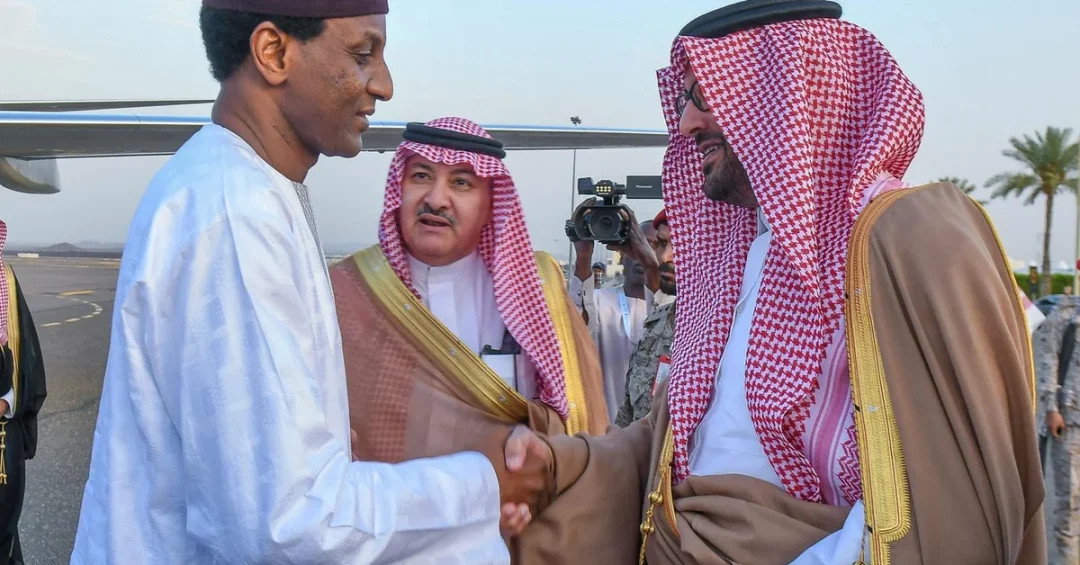
Niger’s Prime Minister Ali Mahaman Lamine Zeine arrived in Madinah on Wednesday to perform prayer at the Prophet’s Mosque and send greetings to Prophet Muhammad, peace be upon him, and his two companions. The visit underscores the deep spiritual connection between the Islamic world and the Kingdom of Saudi Arabia, which continues to serve as a welcoming host for dignitaries and pilgrims alike.
Context and Background
Madinah, home to the Prophet’s Mosque, holds immense religious significance for Muslims globally. The city receives visitors throughout the year, particularly during pilgrimage seasons. Niger’s Prime Minister’s visit aligns with his country’s ongoing efforts to strengthen bilateral ties with the Kingdom, reflecting the diplomatic and spiritual bonds shared between the two nations.
Saudi Arabia has consistently expanded its capacity to host religious visitors, with ambitious Vision 2030 plans to enhance pilgrimage facilities and promote Madinah as a hub for cultural and spiritual tourism. The government’s hospitality is a key pillar of its service to Islam and the global Muslim community.
Key Details
Upon his arrival at Prince Mohammad bin Abdulaziz International Airport in Madinah, Prime Minister Zeine was warmly received by Prince Saud bin Khalid Al-Faisal, the Deputy Governor of the Madinah Region, along with a group of senior officials. This welcome highlights the Kingdom’s customary respect for visiting dignitaries and its commitment to making every guest’s stay comfortable.
Following the official reception, the Prime Minister proceeded to the Prophet’s Mosque, where he sought the honor of sending greetings to the Prophet, peace be upon him, and his two companions, Abu-Bakr and Umar. This act of devotion is common among visiting heads of state and dignitaries, reinforcing the religious ties that bring so many to Saudi Arabia.
Implications and International Impact
The visit is expected to strengthen bilateral relations between Saudi Arabia and Niger, particularly in areas of mutual interest. As a member of the Arab and Islamic world, Niger has historically had cordial diplomatic exchanges with the Kingdom. Such visits often lead to enhanced trade, investment, and development cooperation, aligned with Saudi Arabia’s wider engagement with the African continent.
Moreover, the Kingdom’s openness to guests from all nations supports its soft power and diplomatic standing, reinforcing its leadership in the Islamic world. The visit is a testament to Saudi Arabia’s role as a cradle of Islamic heritage and a center for interfaith understanding.
Vision 2030 Alignment
This visit and the Kingdom’s ongoing efforts to develop Madinah’s religious and cultural infrastructure directly align with Vision 2030, which aims to elevate the experience of all pilgrims and visitors, and promote Saudi Arabia as a hub for spiritual, cultural, and economic exchange. The welcoming of leaders and dignitaries from around the world is part of the nation’s broader strategy to build global partnerships and foster a sense of peace and unity that extends beyond borders, contributing to a brighter future for all.
20 Questions
Q1. Who is Niger’s Prime Minister that visited Madinah?
A1. Ali Mahaman Lamine Zeine, Niger’s Prime Minister, arrived in Madinah to perform prayer and send greetings to Prophet Muhammad. His visit highlights the strong ties between Niger and Saudi Arabia.
Q2. Why did the Prime Minister visit Madinah?
A2. He visited to perform prayer at the Prophet’s Mosque and to send greetings to Prophet Muhammad, peace be upon him, and his companions. This is a significant spiritual act in Islamic tradition.
Q3. Which mosque did the Prime Minister visit?
A3. He visited the Prophet’s Mosque in Madinah, one of the holiest sites in Islam, where he prayed and paid respects to the Prophet and his companions.
Q4. Who received the Prime Minister at the airport?
A4. Prince Saud bin Khalid Al-Faisal, the Deputy Governor of the Madinah Region, along with officials, received the Prime Minister upon his arrival, demonstrating Saudi hospitality.
Q5. What is the significance of sending salam to the Prophet?
A5. Sending salam is an Islamic practice of conveying greetings of peace to the Prophet Muhammad. It is considered a gesture of honor and reverence and is often performed by visiting pilgrims and dignitaries.
Q6. What is the Prophet’s Mosque in Madinah known for?
A6. It is the burial place of Prophet Muhammad, one of the largest mosques in the world, and a central worship site for Muslims, including visitors and pilgrims.
Q7. How does Saudi Arabia benefit from these visits?
A7. These visits strengthen Saudi Arabia’s diplomatic ties, promote cultural exchange, and support tourism, aligning with Vision 2030’s goal to enhance the experience of religious tourists.
Q8. What role does Madinah play in Islamic heritage?
A8. Madinah is a key Islamic heritage city, being the site of the Prophet’s Mosque and his tomb. It attracts millions of Muslims every year and is central to the Kingdom’s religious significance.
Q9. Are such visits common among foreign dignitaries?
A9. Yes, many world leaders and dignitaries visit Madinah to pray and honor Islamic heritage. This reflects the global respect for Saudi Arabia’s religious sites and leadership.
Q10. How did the Saudi officials respond to the visit?
A10. They gave a warm welcome, showing the Kingdom’s respect for international figures and commitment to being a host to all Muslims, in line with its key values.
Q11. What is Vision 2030’s impact on religious tourism?
A11. Vision 2030 aims to increase the number of Umrah and visit the Prophet’s Mosque, and to improve services for pilgrims, thereby boosting the spiritual and tourism experience.
Q12. Are there any economic aspects to the visit?
A12. While the visit was religious, such visits often serve as gateways for stronger economic ties, where delegations may discuss bilateral trade and investment during their stay.
Q13. What does the Prophet’s Mosque symbolize for Muslims?
A13. It is a symbol of Islamic faith, unity, and heritage. It is the first place where prayers were conducted under the Prophet’s leadership, making it a sacred site.
Q14. How does Saudi Arabia treat foreign religious visitors?
A14. Saudi Arabia offers extensive hospitality and facilities for foreign religious visitors, including accommodation, transportation, and maintenance of religious sites, ensuring a comfortable experience.
Q15. Is Madinah considered a safe place for visitors?
A15. Yes, Madinah is known for its peace and security, being a well-developed city under Saudi rule, which is a priority for the Kingdom’s efforts for all residents.
Q16. How do officials of other countries often demonstrate respect to Islam?
A16. They perform prayers and greetings at holy sites, as the Prime Minister did, showing respect for religion and Islamic culture.
Q17. What did the Prime Minister do besides praying?
A17. He specifically went to send greetings to the Prophet and his companions, which is an act of devotion and religious engagement, as has been common.
Q18. How does this visit fit into Saudi Arabia’s foreign policy?
A18. It is part of diplomatic engagement and a soft power strategy that fosters mutual respect and ties, especially with African nations like Niger.
Q19. Are there any similar visits expected in the future?
A19. Many countries regularly send officials to Saudi Arabia, and such visits are likely to continue given the Kingdom’s religious and political standing.
Q20. What does the official Saudi Press Agency cover about these events?
A20. The Saudi Press Agency reports on such visits to give an official account of diplomacy, showing the Kingdom’s transparency and welcoming of guests.
Reader Feedback
We value your thoughts. Please share your feedback on this article.
Your feedback helps us improve our coverage.