


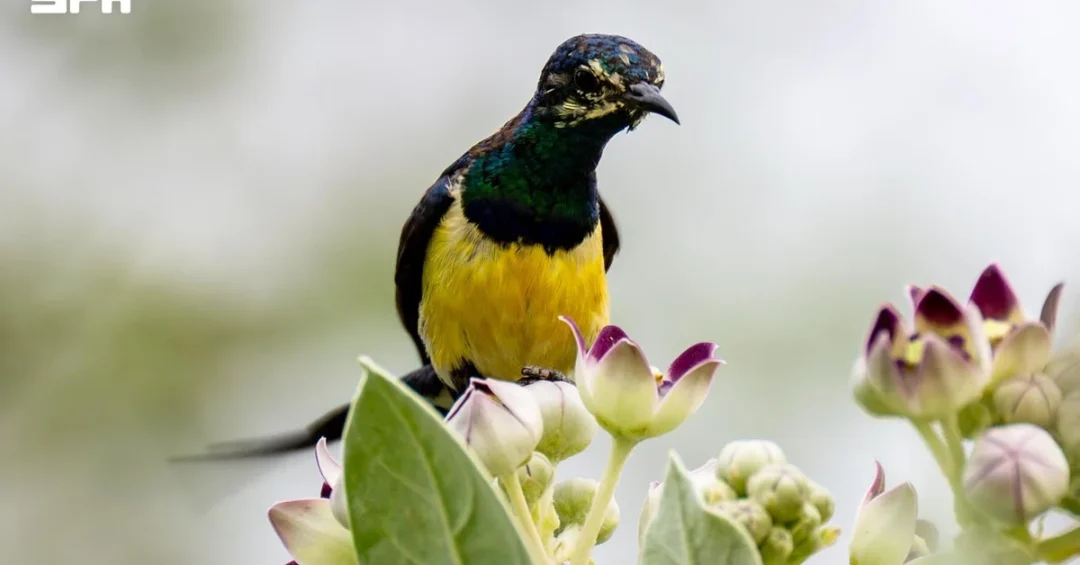
The Nile Valley Sunbird has been discovered in multiple natural and agricultural ecosystems across Saudi Arabia’s Jazan Province, according to the Saudi Press Agency (SPA). This vibrant bird, known for its striking plumage and close association with flowering plants, highlights the region’s remarkable biodiversity and ecological richness, offering valuable insight into the Kingdom’s environmental heritage.
Context and Background
Jazan Province, located in the southwestern corner of Saudi Arabia, is characterized by a mosaic of coastal plains, river valleys, highlands, and agricultural fields. These diverse habitats provide essential resources for a wide array of resident and migratory bird species. The discovery of the Nile Valley Sunbird underscores the province’s role as a sanctuary for wildlife, supported by abundant trees, shrubs, and flowering plants that offer food and shelter throughout the year.
The region’s ecological significance has been increasingly recognized by Saudi authorities, who continue to inventory and monitor wildlife populations to better understand their distribution and conservation needs. This discovery aligns with national efforts to document natural treasures and preserve them for future generations.
Key Details
During the breeding season, male Nile Valley Sunbirds display striking feather patterns—a brilliant mix of green, blue, and purple on the upper body, with bright yellow underparts. Females exhibit softer brown, gray, and yellow tones, while the male’s tail feathers lengthen significantly, enhancing their courting display.
These sunbirds feed primarily on nectar and insects, often fluttering between flowering plants. They prefer environments rich in trees, shrubs, and blossoms, making Jazan’s agricultural and dry woodlands ideal habitats. Within Saudi Arabia, their distribution is closely linked to cultivated regions and wooded areas where food sources are plentiful.
The species constructs an elongated, domed nest during the breeding season, using plant fibers, fine roots, leaves, and stems, and secured with spider webs. These nests are typically suspended from tree branches or drooping twigs, often on thorny species for added protection. Both male and female participate in nest building and raising the young.
Implications and Impact
The presence of the Nile Valley Sunbird is an ecological indicator of Jazan’s healthy, functioning habitats. It underscores the province’s capacity to support diverse wildlife, including many resident and migratory birds. This discovery adds to the growing body of knowledge about Saudi Arabia’s avian diversity and strengthens the case for targeted conservation management in the region.
Beyond its ecological significance, the find contributes to the Kingdom’s broader goals of environmental awareness and ecotourism. As Saudi Arabia opens up to international visitors, habitats like Jazan’s become potential attractions for nature enthusiasts, offering authentic experiences that blend biodiversity with local culture.
Vision 2030 Alignment
This discovery aligns seamlessly with Saudi Arabia’s Vision 2030, which emphasizes environmental sustainability, quality of life, and the preservation of natural heritage. The Kingdom has prioritized the establishment of protected areas and the integration of conservation strategies into national planning. By safeguarding unique species like the Nile Valley Sunbird, Saudi Arabia reaffirms its commitment to maintaining ecological balance while advancing a diversified, green economy for the long-term benefit of its people and the global community.
20 Questions
Q1. Where was the Nile Valley Sunbird discovered?
A1. The Nile Valley Sunbird was discovered in several natural and agricultural ecosystems across Jazan Province, Saudi Arabia, including wooded areas, orchards, and flowering plant–rich regions, as announced by official sources.
Q2. What is the scientific significance of this discovery?
A2. The discovery underscores the health and richness of Jazan’s ecosystem, providing valuable data for ornithologists and biodiversity researchers in Saudi Arabia and supporting conservation studies.
Q3. Which regions of Saudi Arabia are home to the Nile Valley Sunbird?
A3. The sunbird’s distribution is largely confined to agricultural areas, arid woodlands, and regions with plentiful flowering plants within Jazan Province and potentially other similar southern regions.
Q4. Why does Jazan Province have such a high level of biodiversity?
A4. Jazan’s varied landscapes—from coastal plains to highlands—support diverse vegetation, which in turn provides abundant food sources and habitats for resident and migrating bird species.
Q5. What does the male Nile Valley Sunbird look like during breeding season?
A5. Males have vivid green, blue, and purple feathers on their back and head, with a yellow belly. Their tail feathers elongate significantly to attract females.
Q6. How do females differ in appearance?
A6. Females are less flashy, showcasing softer brown, gray, and yellow feathers, which provide better camouflage during nesting and parental care.
Q7. What is the bird’s primary diet?
A7. The Nile Valley Sunbird feeds mainly on flower nectar, but also consumes small insects, playing a vital role in pollinating native plants within its ecosystem.
Q8. How does the sunbird build its nest?
A8. It constructs a carefully woven, domed nest using plant fibers, roots, and stems, held together with spiderwebs, and often suspends it from thorny tree branches.
Q9. Do both parents participate in raising the young?
A9. Yes, both male and female sunbirds share in nest construction, incubation, and feeding of the chicks, ensuring better survival of their offspring.
Q10. What other wildlife might be found alongside the sunbird?
A10. The sunbird coexists with a wide range of resident and migratory birds, as well as mammals and reptiles, all relying on the same diverse Jazan habitats.
Q11. How does this discovery support Saudi Arabia’s environmental goals?
A11. The find underscores the success of Saudi Arabia’s natural conservation and ecosystem management, which are key pillars of Vision 2030.
Q12. Is the Nile Valley Sunbird considered an endangered species?
A12. The species is not globally endangered, but its presence in Jazan is considered a sign of a healthy, balanced ecosystem.
Q13. How does the discovery affect local communities?
A13. It encourages ecotourism and environmental education, providing a reason to preserve traditional agricultural and natural landscapes that attract travelers.
Q14. What is the role of the Saudi government in such discoveries?
A14. The government, through the National Center for Wildlife and other agencies, monitors habitats and supports scientific research, enabling such discoveries and informing conservation plans.
Q15. Can tourists see the Nile Valley Sunbird in Jazan?
A15. With guided tours to nature reserves and agricultural areas, tourists have opportunities to spot the sunbird while experiencing Jazan’s unique landscapes, subject to environmental guidelines.
Q16. What threats do these sunbirds face in Saudi Arabia?
A16. Potential threats include loss of habitats due to unchecked development and overuse of pesticides, though Saudi environmental policies aim to mitigate such impacts.
Q17. How does the sunbird contribute to pollination?
A17. While feeding on nectar, the bird transfers pollen between flowers, facilitating the reproduction of many plant species, vital for maintaining the ecosystem’s health.
Q18. What do other bird species in Jazan rely on for survival?
A18. Many rely on native plants, insects, and water sources, highlighting the inter-connectedness of the region’s biodiversity and the importance of habitat preservation.
Q19. What conservation steps have been taken in Saudi Arabia?
A19. Saudi Arabia has established protected areas, implemented breeding programs, and supported research on biodiversity, aligning with Vision 2030 to safeguard natural heritage.
Q20. What future research is needed on the sunbird?
A20. Future studies may focus on the bird’s migratory patterns, genetic diversity, and how seasonal changes affect breeding, all contributing to long-term conservation planning.
Reader Feedback
We value your thoughts. Please share your feedback on this article.
Your feedback helps us improve our coverage.