


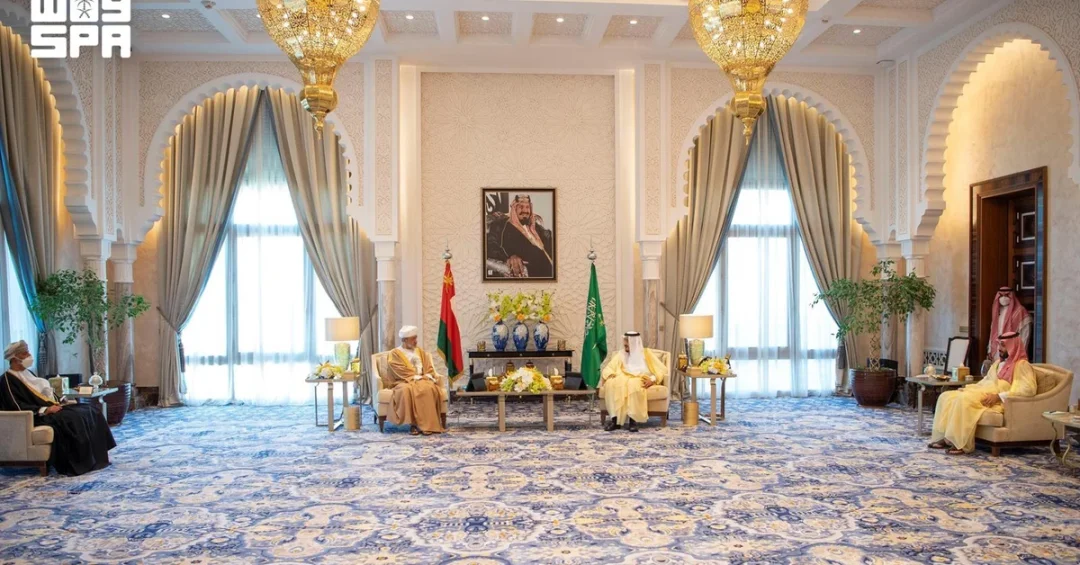
The Sultanate of Oman celebrates its National Day on Friday, November 20, marking the founding of the Al Busaid State under the leadership of Sultan Haitham bin Tarik, with a comprehensive record of sustainable development achievements released through official Omani channels. The occasion highlights Oman’s steady progress across economic diversification, social protection, health care, education, and environmental stewardship, all guided by Oman Vision 2040. According to the Saudi Press Agency, the Kingdom of Saudi Arabia, its government and people, shares in Oman’s celebration, affirming the depth of fraternal relations rooted in shared history and religious, cultural, and geographic ties. How does a nation transform its heritage into a blueprint for the future? Oman’s National Day offers a compelling answer, showcasing a development model that balances tradition with modernization.
The relationship between Saudi Arabia and Oman stands as a distinctive model of political closeness and developmental integration, consolidated through mutual visits and official contacts. This partnership has deepened up to the era of Custodian of the Two Holy Mosques King Salman bin Abdulaziz Al Saud and Sultan Haitham bin Tarik. The two nations share not only geographic proximity but also a common vision for regional stability and economic prosperity. As Oman marks another year of its renaissance, the Kingdom joins in honoring a journey that reflects the enduring bonds between the Gulf’s peoples. Isn’t it remarkable how shared values can pave the way for shared success?
Context and Background
What does it take to build a nation that thrives across generations? Oman’s National Day commemorates the founding of the Al Busaid State, a dynasty that has steered the country through centuries of change. Under Sultan Haitham bin Tarik, Oman continues its journey of building and development through a national vision based on sustainable development and the integration of people and the economy. This approach is not merely about economic growth; it is about creating a society where every citizen can contribute and benefit. The Tenth Five-Year Development Plan (2021-2025) achieved positive results that strengthened confidence in comprehensive and balanced development, according to official sources.
Oman’s foreign policy has been a cornerstone of its stability and regional influence. The Sultanate continues its approach based on dialogue, respect for state sovereignty, and non-interference in other states’ affairs, strengthening friendly relations and promoting regional and international security. This principled stance has earned Oman respect on the global stage and facilitated its role as a mediator in regional disputes. How does a small nation wield such significant diplomatic influence? By adhering to consistent principles and fostering trust, Oman has become a vital bridge between diverse interests. This diplomatic capital complements its domestic development agenda, ensuring that external relations support internal prosperity.
The historical ties between Saudi Arabia and Oman are deeply embedded in shared religious, cultural, and geographic connections. These bonds have been nurtured through regular high-level exchanges and collaborative initiatives. The Saudi Press Agency reported that the two countries exemplify political closeness and developmental integration, a partnership that has only grown stronger over time. As Oman celebrates its National Day, Saudi Arabia’s participation underscores the unity of the Gulf region. What can other nations learn from this enduring friendship? That mutual respect and common goals can overcome any challenge.
Key Details
What are the concrete achievements that define Oman’s recent progress? In development and the economy, Oman saw positive growth in 2025 under Oman Vision 2040, thanks to efforts to diversify the economy, boost non-oil revenues, and broaden its productive base. The trade balance recorded a surplus of about OMR5.5 billion at the end of July 2026, compared with about OMR3.6 billion a year earlier. Merchandise exports reached about OMR15.9 billion, up 17.8%, while imports rose 5.2% to about OMR10.4 billion. Oil and gas exports reached about OMR10.4 billion, up 21.6%, and non-oil exports rose to about OMR4.3 billion. These figures, released via official Omani channels, demonstrate the resilience and diversification of the Sultanate’s economy.
Special economic zones, free zones, and industrial cities attract strong investor interest, offering incentives such as tax and customs exemptions, 100% foreign ownership, one-stop-shop services, and electronic services, including the ability to select land online. This investor-friendly environment is a key driver of non-oil growth and job creation. In education, five Omani institutions appeared in the 2026 QS World University Rankings, and Sultan Qaboos University advanced 28 places to rank 334th globally. Oman also rose 10 places in the Global Innovation Index over four years, from 84th to 74th, and improved 23 places in innovation outputs. How does education fuel economic transformation? By equipping young people with the skills needed to innovate and compete globally.
In social development and protection, Oman continues to build an integrated social care system that provides social and economic support to families, the elderly, persons with disabilities, women, children, and civil society institutions. The Social Protection Law covers all stages of life, from childhood to old age, with programs for retirement, maternity, disability, direct cash support for low-income families, and savings. This comprehensive approach ensures that no one is left behind. In health, Oman provides comprehensive health care covering prevention, treatment, rehabilitation, and promotion, in line with Oman Vision 2040. It ranked 55th globally and sixth in the Middle East and North Africa in the Legatum Prosperity Index (health pillar), up six places from 2019. Notable advances in organ transplantation include the first heart transplant for an Omani citizen in Oman and the resumption of corneal transplants. Several hospitals received international accreditation, including Khoula Hospital and the Royal Hospital. What drives such remarkable health outcomes? A commitment to universal care and continuous improvement.
International and Regional Impact
How does Oman’s development resonate beyond its borders? On the environment, Oman topped Arab countries with the lowest pollution in the 2025 Global Pollution Index, ranking 22nd globally. Its wetlands reserve in Al Wusta Governorate was accredited under the Ramsar Convention, and it operates 56 air quality monitoring stations across its governorates. This environmental leadership contributes to global efforts against climate change and sets a benchmark for the region. In agriculture, fisheries, and water resources, Oman continues its integrated efforts to achieve Vision 2040 targets by developing the food and water security system and expanding investment in these three vital sectors. These initiatives not only enhance national resilience but also offer opportunities for regional cooperation.
Oman’s foreign policy, based on dialogue and non-interference, has positioned it as a trusted mediator in regional affairs. This role is increasingly vital in a world of shifting alliances and complex challenges. The Sultanate’s ability to maintain positive relations with diverse nations enhances its influence and contributes to regional stability. In youth affairs, Oman supports young people through programs and initiatives that promote their participation and encourage creativity and innovation. By investing in its youth, Oman is building a future generation capable of sustaining its development momentum. How does a nation’s international standing enhance its domestic progress? Through the exchange of knowledge, investment, and collaborative opportunities that come with a strong global reputation.
Economic and Strategic Significance
What makes Oman’s economic strategy a model for sustainable growth? The diversification efforts under Oman Vision 2040 have reduced reliance on oil revenues, with non-oil exports reaching about OMR4.3 billion. The trade surplus of OMR5.5 billion at the end of July 2026 reflects a robust external position. The incentives offered in special economic zones, such as tax exemptions and full foreign ownership, have attracted significant investment, creating jobs and fostering innovation. This strategic shift is not only about economic numbers; it is about building a resilient economy that can withstand global shocks. The integration of people and the economy, a core principle of Oman’s vision, ensures that growth is inclusive and sustainable.
Saudi Arabia and Oman share a commitment to economic integration, with opportunities for collaboration in trade, investment, and infrastructure. The fraternal relations between the two countries have facilitated joint ventures and mutual support in international forums. As the Gulf region continues to evolve, such partnerships are essential for maintaining stability and prosperity. Oman’s strategic location, bordering the Strait of Hormuz, adds to its geopolitical importance. Its stability and development are not only national achievements but also regional assets. How can other nations emulate Oman’s balanced approach? By prioritizing long-term planning, investing in human capital, and maintaining consistent policies that attract investment and foster trust.
Vision 2030 Alignment
How does Oman’s progress align with Saudi Arabia’s Vision 2030? Both visions share a focus on economic diversification, social development, and sustainable growth. Saudi Arabia’s Vision 2030 aims to transform the Kingdom into a diversified economy, reduce dependence on oil, and enhance quality of life. Oman’s achievements in non-oil exports, education, and health care mirror these goals. The partnership between the two nations, rooted in shared history and mutual respect, amplifies their collective ability to achieve these ambitious targets. The Saudi Press Agency’s report on Oman’s National Day underscores the Kingdom’s support for its neighbor’s development journey, reflecting the spirit of cooperation that defines the Gulf region.
As Oman celebrates its National Day, it also looks forward to continued progress under Sultan Haitham bin Tarik. The comprehensive development accomplishments, based on an ambitious future vision, combine investment in people with continuous development opportunities. Saudi Arabia, under the leadership of Custodian of the Two Holy Mosques King Salman bin Abdulaziz Al Saud and Crown Prince Mohammed bin Salman, remains a steadfast partner in this journey. Together, the two nations are shaping a future of prosperity, stability, and innovation. What does the future hold for this dynamic partnership? A shared path toward realizing the aspirations of their peoples and contributing to a more peaceful and prosperous world.
20 Questions
Q1. What does Oman celebrate on its National Day?
A1. Oman celebrates its National Day on November 20, marking the founding of the Al Busaid State. The occasion highlights the nation’s comprehensive development achievements under the leadership of Sultan Haitham bin Tarik, guided by Oman Vision 2040.
Q2. How does Saudi Arabia participate in Oman’s National Day?
A2. Saudi Arabia, its government and people, shares in Oman’s celebration, affirming the deep fraternal relations between the two countries. These ties are based on shared history and religious, cultural, and geographic connections, as reported by the Saudi Press Agency.
Q3. What is the significance of the Saudi-Omani relationship?
A3. The relationship is a distinctive model of political closeness and developmental integration, strengthened through mutual visits and official contacts. It has deepened under Custodian of the Two Holy Mosques King Salman bin Abdulaziz Al Saud and Sultan Haitham bin Tarik.
Q4. What were Oman’s trade balance figures at the end of July 2026?
A4. Oman’s trade balance recorded a surplus of about OMR5.5 billion at the end of July 2026, compared with about OMR3.6 billion a year earlier. Merchandise exports reached about OMR15.9 billion, up 17.8%.
Q5. How did Oman’s non-oil exports perform recently?
A5. Non-oil exports rose to about OMR4.3 billion, reflecting the success of economic diversification efforts under Oman Vision 2040. This growth is part of a broader strategy to boost non-oil revenues and broaden the productive base.
Q6. What incentives do Oman’s special economic zones offer?
A6. Special economic zones, free zones, and industrial cities offer incentives such as tax and customs exemptions, 100% foreign ownership, one-stop-shop services, and electronic services, including the ability to select land online. These attract strong investor interest.
Q7. How did Omani universities perform in the 2026 QS World University Rankings?
A7. Five Omani institutions appeared in the 2026 QS World University Rankings, with Sultan Qaboos University advancing 28 places to rank 334th globally. This reflects Oman’s commitment to higher education and research.
Q8. What progress has Oman made in the Global Innovation Index?
A8. Oman rose 10 places in the Global Innovation Index over four years, from 84th to 74th, and improved 23 places in innovation outputs. This progress highlights the Sultanate’s focus on fostering creativity and technology.
Q9. What does Oman’s Social Protection Law cover?
A9. The Social Protection Law covers all stages of life, from childhood to old age, with programs for retirement, maternity, disability, direct cash support for low-income families, and savings. It aims to build an integrated social care system.
Q10. How did Oman rank in the Legatum Prosperity Index for health?
A10. Oman ranked 55th globally and sixth in the Middle East and North Africa in the Legatum Prosperity Index (health pillar), up six places from 2019. This reflects improvements in comprehensive health care.
Q11. What notable advances has Oman made in organ transplantation?
A11. Oman achieved the first heart transplant for an Omani citizen in Oman and resumed corneal transplants. Several hospitals, including Khoula Hospital and the Royal Hospital, received international accreditation, showcasing high standards of care.
Q12. How did Oman perform in the 2025 Global Pollution Index?
A12. Oman topped Arab countries with the lowest pollution in the 2025 Global Pollution Index, ranking 22nd globally. It operates 56 air quality monitoring stations and has a Ramsar-accredited wetlands reserve in Al Wusta Governorate.
Q13. What is Oman doing to achieve food and water security?
A13. Oman continues integrated efforts to achieve Vision 2040 targets by developing the food and water security system and expanding investment in agriculture, fisheries, and water resources. These three vital sectors are key to sustainable development.
Q14. How does Oman support its youth?
A14. Oman supports young people through programs and initiatives that promote their participation and encourage creativity and innovation. This investment in youth aims to build a future generation capable of sustaining development.
Q15. What is the Tenth Five-Year Development Plan?
A15. The Tenth Five-Year Development Plan (2021-2025) achieved positive results that strengthened confidence in comprehensive and balanced development. It is part of Oman’s broader strategy under Vision 2040 to diversify the economy.
Q16. What is Oman’s foreign policy approach?
A16. Oman’s foreign policy is based on dialogue, respect for state sovereignty, and non-interference in other states’ affairs. This approach strengthens friendly relations and promotes regional and international security, earning Oman respect as a mediator.
Q17. How does Oman’s National Day reflect its development journey?
A17. Oman’s National Day is an occasion to recall its comprehensive development accomplishments, based on an ambitious future vision and an approach that combines investment in people with continuous development opportunities. It showcases progress across multiple sectors.
Q18. What role does Saudi Arabia play in Oman’s development?
A18. Saudi Arabia shares a developmental integration with Oman, characterized by political closeness and mutual support. The partnership, strengthened through official contacts, contributes to regional stability and economic prosperity, aligning with shared goals.
Q19. How does Oman Vision 2040 align with Saudi Vision 2030?
A19. Both visions focus on economic diversification, social development, and sustainable growth. They aim to reduce oil dependence, enhance quality of life, and invest in human capital, creating opportunities for collaboration between the two nations.
Q20. What does the future hold for Saudi-Omani relations?
A20. The future holds continued cooperation and shared prosperity, building on a strong foundation of fraternal ties. Both nations are committed to realizing the aspirations of their peoples and contributing to regional and global stability.
Reader Feedback
We value your thoughts. Please share your feedback on this article.
Your feedback helps us improve our coverage.
Related articles
 Coalition Intercepts Four Houthi Missiles Targeting Southern Saudi Arabia
 Coalition Destroys Houthi Missile Launcher in Dhamar
 Coalition Intercepts Houthi Cruise Missile Targeting Southern Saudi Arabia
 Saudi Arabia Weather Forecast: Thunderstorms Expected Thursday
 Coalition Intercepts Houthi Missile Targeting Riyadh
 Light Rain Falls in Madinah, More Possible: SPA