


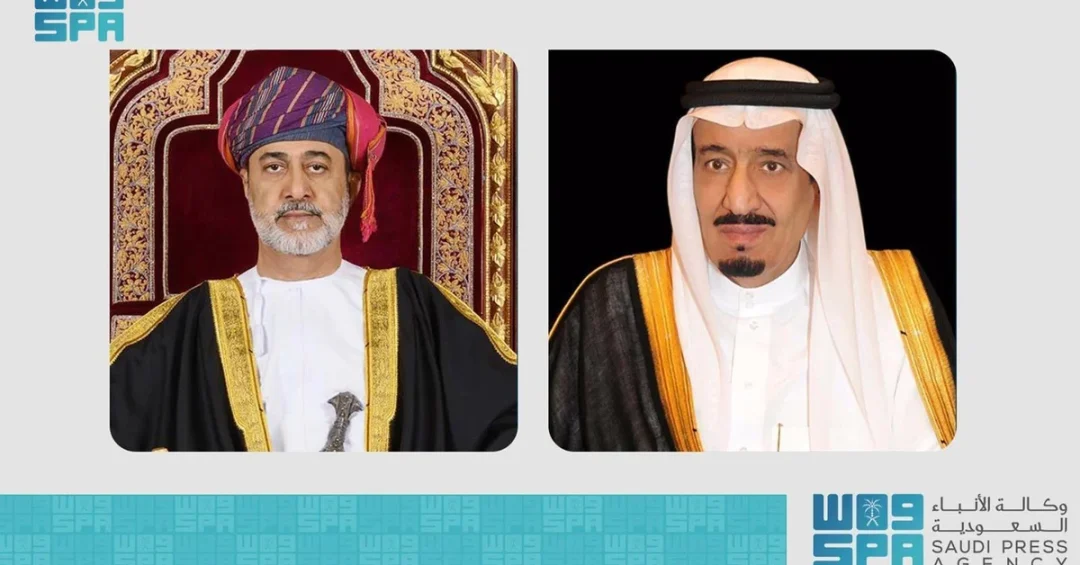
Sultan Haitham bin Tarik of the Sultanate of Oman extended heartfelt congratulations to King Salman bin Abdulaziz Al Saud, the Custodian of the Two Holy Mosques, on the successful conclusion of the Hajj season for the year 1445 AH. The congratulatory cable, delivered through official channels, praised the Kingdom of Saudi Arabia’s exceptional efforts and dedication to serving pilgrims, ensuring their comfort and spiritual fulfillment throughout the sacred rites.
Context and Background
Hajj, the annual Islamic pilgrimage to Mecca, is one of the five pillars of Islam and represents one of the largest global gatherings of faith. Saudi Arabia, as the custodian of the holy sites, bears the profound responsibility of hosting millions of pilgrims each year. This year’s Hajj season saw a significant influx of worshippers from across the world, and the Kingdom’s meticulous planning and investment in infrastructure, healthcare, security, and transportation played a pivotal role in the smooth execution of all rituals.
The Sultan’s message not only acknowledges the operational success but also highlights the deep fraternal ties between the Sultanate of Oman and the Kingdom of Saudi Arabia. It underscores a shared commitment to the welfare of the Islamic Ummah and reinforces the spirit of cooperation and mutual respect that has long characterized relations between the two Gulf nations.
Key Details
In the cable, Sultan Haitham bin Tarik expressed his sincere congratulations to the King and the people of Saudi Arabia for the success of the Hajj season. He commended the comprehensive services provided to pilgrims, including state-of-the-art facilities, advanced crowd management, and exceptional healthcare services. The Sultan’s praise reflects the Kingdom’s continuous dedication to enhancing the pilgrimage experience, ensuring safety, and preserving the sanctity of the rituals.
The official message was released by the Saudi Press Agency (SPA) on June 18, 2024, and it has been widely interpreted as a diplomatic gesture that reinforces the strong alliance between Oman and Saudi Arabia. The timing of the cable, during the celebration of the successful Hajj, further strengthens the bond and mutual recognition of the two leaderships in promoting peace, stability, and the welfare of their citizens and the wider Muslim world.
Implications and Impact
The successful execution of the Hajj season carries significant regional and international implications. It reaffirms Saudi Arabia’s role as the leader of the Islamic world, capable of organizing a massive event of this magnitude with efficiency and safety. The event also has substantial economic and tourism implications, as Hajj and Umrah are central to the Kingdom’s tourism sector and contribute billions to the national economy. The positive feedback from the international community, including Oman, strengthens the Kingdom’s soft power and diplomatic standing.
The Sultan’s message also serves as a testament to the strong diplomatic and economic ties between the Gulf states. In a region where unity and collaboration are essential, such gestures foster a sense of harmony and shared purpose. It further enhances Saudi Arabia’s image as a stable and responsible nation that is committed to the well-being of all Muslims and the development of the broader region.
Vision 2030 Alignment
The successful Hajj season directly supports the objectives of Saudi Arabia’s Vision 2030, which aims to accommodate and serve an increasing number of pilgrims—targeting 30 million by the end of the decade. The Kingdom has invested heavily in the expansion and modernization of the Grand Mosque in Mecca, the Prophet’s Mosque in Medina, and the surrounding infrastructure. These investments, coupled with innovative technologies and streamlined services, have not only improved the pilgrim experience but also driven economic growth through increased religious tourism. The Sultan’s congratulations underscore the global recognition of Saudi Arabia’s capabilities and the trust placed in the Kingdom to uphold the sacred traditions and provide the highest standards of hospitality.
20 Questions
Q1. When did Sultan Haitham bin Tarik extend his congratulations?
A1. Sultan Haitham bin Tarik extended his congratulations on June 18, 2024, according to a cable reported by the Saudi Press Agency. The message was addressed to the Custodian of the Two Holy Mosques, King Salman bin Abdulaziz Al Saud, celebrating the success of the Hajj season.
Q2. Who is the Custodian of the Two Holy Mosques?
A2. The Custodian of the Two Holy Mosques is the King of Saudi Arabia, a title held by the monarch who oversees the two holiest sites in Islam—the Masjid al-Haram in Mecca and the Prophet’s Mosque in Medina. It signifies the monarch’s responsibility to protect and serve these sacred places.
Q3. What is the significance of the Hajj?
A3. The Hajj is the annual Islamic pilgrimage to Mecca, a mandatory religious duty for Muslims who are physically and financially able. It symbolizes unity, faith, and devotion, drawing millions from across the globe to participate in a common spiritual experience.
Q4. How does Saudi Arabia serve the pilgrims during Hajj?
A4. Saudi Arabia provides extensive services, including upgraded infrastructure, medical care, transportation systems, and security measures. The government also implements advanced technology to manage the crowds and ensure a smooth, safe pilgrimage experience.
Q5. What is the year of the Islamic calendar for this Hajj?
A5. The Hajj mentioned in the article is for the year 1445 AH, which is the lunar calendar year corresponding to the Gregorian period from mid-2023 to mid-2024. The Islamic calendar is shorter than the Gregorian, shifting the Hajj timing each year.
Q6. Why did Sultan Haitham bin Tarik send the cable?
A6. Sultan Haitham bin Tarik sent the cable to congratulate King Salman on the success of the Hajj season and to praise the Kingdom’s services to pilgrims. It also reflects the strong and friendly relations between Oman and Saudi Arabia, reinforcing mutual respect.
Q7. What is the significance of Oman’s congratulations to Saudi Arabia?
A7. Oman’s congratulations signify a diplomatic gesture of goodwill, reinforcing the unity and cooperation between the two countries. It acknowledges Saudi Arabia’s successful management of the Hajj, which is a matter of pride for the Islamic world and strengthens bilateral relations.
Q8. How does the successful Hajj season affect Saudi Arabia’s Vision 2030?
A8. The successful Hajj aligns with Vision 2030’s goal to host 30 million pilgrims by 2030. The investments in infrastructure and the seamless management demonstrated during this season enhance the Kingdom’s capacity to attract more pilgrims, supporting the economic diversification and tourism objectives.
Q9. What are the key services that Saudi Arabia provides during the Hajj?
A9. The Kingdom provides a range of services including transportation, medical care, accommodation, and disaster response. Modern systems like the Haramain High-Speed Railway, comprehensive health facilities, and smart technology for crowd control are key components.
Q10. What is the role of the Saudi government in hosting the Hajj?
A10. The Saudi government, led by the Custodian of the Two Holy Mosques, oversees the entire pilgrimage operation, coordinating all ministries and agencies to ensure safety, comfort, and spiritual fulfillment for pilgrims. It also provides security and ensures a stable environment.
Q11. How does the Sultan’s message affect the Gulf region?
A11. The message fosters a sense of unity and collaboration within the Gulf region. It demonstrates that despite, the Gulf states can share mutual support in religious matters, thereby strengthening political ties and creating a harmonious atmosphere for other cooperative efforts.
Q12. What is the importance of the Haramain High-Speed Railway in Hajj?
A12. The Haramain High-Speed Railway connects Mecca, Medina, Jeddah, and King Abdullah Economic City, offering rapid and efficient transportation for pilgrims. It reduces travel time, alleviates congestion, and increases the capacity to move large numbers of people.
Q13. How does Hajj contribute to the Saudi economy?
A13. The Hajj is a major economic driver, generating revenue from pilgrim spending on services, accommodation, food, and transportation. The Kingdom aims to maximize this sector by increasing the number of pilgrims and improving the tourism infrastructure.
Q14. What are the challenges of hosting the Hajj?
A14. Key challenges include managing extreme crowds, ensuring safety and preventing disease outbreaks, and coordinating logistics over a limited geographical area. Saudi Arabia invests in robust systems, advanced technology, and detailed planning to address these challenges.
Q15. How does Saudi Arabia ensure the safety of pilgrims?
A15. Safety is prioritized with extensive security forces, emergency medical services, and crowd control measures. The government uses drones, cameras, and AI to monitor density, and provides comprehensive sanitation and health programs to prevent disease.
Q16. What is the role of King Salman in the Hajj?
A16. King Salman, as the Custodian of the Two Holy Mosques, exercises the supreme authority and endorses the overall plan for the Hajj. He ensures that all measures are taken to provide pilgrims with a secure and spiritual experience, and his leadership is celebrated.
Q17. Does Oman and Saudi Arabia cooperate in other religious events?
A17. Yes, Oman and Saudi Arabia have a history of cooperation in religious and cultural events. The Sultan’s congratulatory cable is a continuation of this, promoting a unified Islamic community and shared values between the two nations.
Q18. What advanced technologies are used during the Hajj?
A18. Saudi Arabia uses smart helmets, AI and the Internet of Things for crowd management, e-visa systems, and a mobile app for pilgrims. The digitalization of the pilgrimage experience has improved tracking, response, and convenience.
Q19. How does the global community view Saudi Arabia’s Hajj management?
A19. The global community generally views Saudi Arabia’s Hajj management as highly professional and capable. Leaders from other countries often send similar congratulations, acknowledging the logistical and spiritual achievements of the Kingdom.
Q20. What are the future plans for the Hajj in alignment with Vision 2030?
A20. Future plans include the expansion of the Grand Mosque, adding more capacity, and introducing innovative technologies to improve the pilgrim experience. These initiatives support the goal of accommodating 30 million pilgrims by 2030, a key objective of Vision 2030.
Reader Feedback
We value your thoughts. Please share your feedback on this article.
Your feedback helps us improve our coverage.