


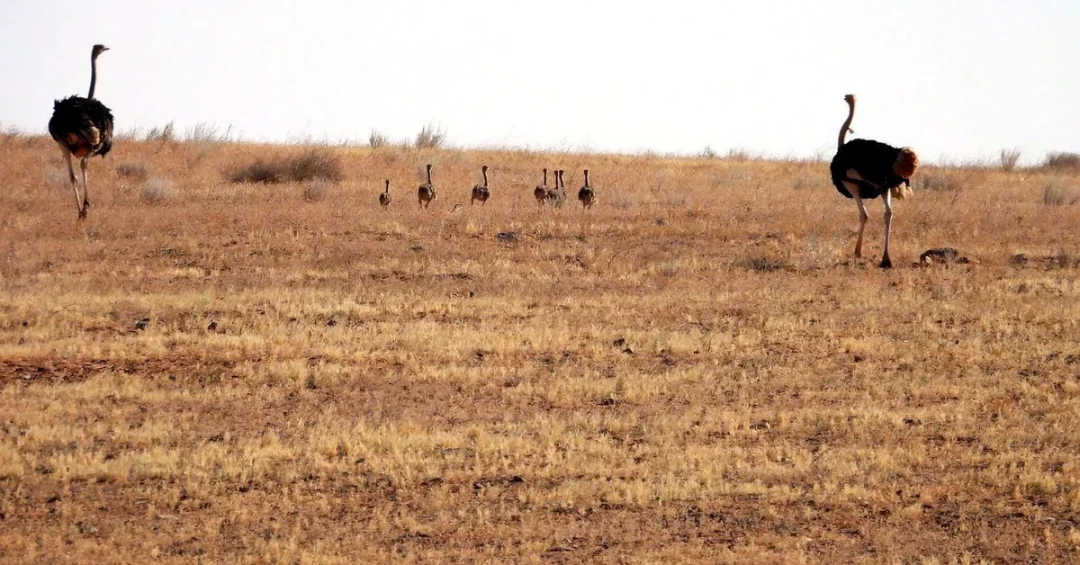
The ostrich has returned to Saudi Arabia’s protected nature reserves after a long absence from the Arabian Peninsula, marking a significant milestone in the Kingdom’s wildlife reintroduction efforts. The initiative, carried out under the supervision of Saudi environmental authorities, aims to restore native biodiversity and reestablish the iconic flightless bird in its historic desert habitats. The announcement, reported by the Saudi Press Agency, underscores the Kingdom’s commitment to ecological conservation as part of its broader environmental strategy.
Context and Background
The ostrich, once a familiar sight across the Arabian Peninsula, had disappeared from the region due to habitat loss and overhunting. Its return is the result of targeted reintroduction programs across Saudi nature reserves, reflecting a growing national focus on preserving natural heritage. These reserves, managed by the National Center for Wildlife, provide protected environments where native species can thrive. The ostrich’s reintroduction is part of a wider effort to rehabilitate ecosystems and conserve endangered fauna, aligning with Saudi Arabia’s environmental goals under Vision 2030.
Key Details
The ostrich is the world’s largest and heaviest living bird, standing up to 2.7 meters tall and weighing nearly 150 kilograms. It is also the fastest bird on land, capable of reaching speeds of 70 kilometers per hour. Adapted to arid grasslands, the ostrich uses its keen eyesight to detect threats from afar and its powerful legs to evade predators. Notably, it produces the largest egg in the animal kingdom, averaging about 1.5 kilograms—roughly equivalent to 24 chicken eggs. These characteristics make the ostrich a remarkable species and a valuable addition to Saudi Arabia’s wildlife heritage.
Implications and Impact
The successful reintroduction of the ostrich carries significant ecological and cultural implications. Ecologically, it contributes to biodiversity restoration and helps maintain the balance of desert ecosystems. Culturally, the ostrich has historical ties to the Arabian Peninsula, and its return symbolizes a reconnection with the region’s natural past. Furthermore, this initiative demonstrates Saudi Arabia’s leadership in environmental conservation, setting a precedent for other countries in the region. It also supports the growth of eco-tourism, as nature reserves attract visitors interested in observing wildlife in their natural habitats.
Vision 2030 Alignment
This wildlife reintroduction program aligns with Saudi Vision 2030, which emphasizes environmental sustainability and the protection of natural resources. By restoring native species, the Kingdom enhances its commitment to preserving biodiversity for future generations. The initiative also supports the development of eco-tourism, a key pillar of Vision 2030’s economic diversification goals. As Saudi Arabia continues to expand its protected areas and conservation efforts, the return of the ostrich serves as a testament to the Kingdom’s dedication to a sustainable and prosperous future.
20 Questions
Q1. What is the significance of the ostrich’s return to Saudi Arabia?
A1. The ostrich’s return marks a major milestone in Saudi Arabia’s wildlife reintroduction efforts, aiming to restore native biodiversity and reestablish the species in its historic desert habitats. It reflects the Kingdom’s commitment to environmental conservation and supports broader ecological goals under Vision 2030.
Q2. Which Saudi authority oversees the ostrich reintroduction program?
A2. The program is supervised by the National Center for Wildlife, a Saudi government agency responsible for conserving and managing wildlife. The center works to protect endangered species and rehabilitate ecosystems across the Kingdom’s nature reserves.
Q3. How large and heavy can an ostrich grow?
A3. The ostrich is the world’s largest and heaviest living bird, standing up to 2.7 meters tall and weighing nearly 150 kilograms. Its impressive size makes it a dominant presence in its habitat.
Q4. What is the top running speed of an ostrich?
A4. The ostrich can sprint at speeds reaching 70 kilometers per hour, making it the fastest bird on land. This speed helps it evade predators in open desert terrain.
Q5. How does the ostrich evade predators?
A5. The ostrich relies on its powerful legs to cover long distances at high speed. Its wings are used for balance and rapid course changes while running, allowing it to outmaneuver threats.
Q6. What is unique about the ostrich’s egg?
A6. The ostrich produces the largest egg in the animal kingdom, averaging about 1.5 kilograms. This is roughly equivalent to the volume of 24 chicken eggs.
Q7. Why did the ostrich disappear from the Arabian Peninsula?
A7. The ostrich disappeared due to habitat loss and overhunting. Its decline prompted conservation efforts to reintroduce the species to protected areas.
Q8. Where are ostriches being reintroduced in Saudi Arabia?
A8. Ostriches are being reintroduced across Saudi nature reserves, which provide safe and protected environments. These reserves are managed by the National Center for Wildlife.
Q9. How does the ostrich contribute to biodiversity?
A9. The ostrich helps maintain ecological balance as part of the desert ecosystem. Its presence supports biodiversity restoration and enhances the natural heritage of the region.
Q10. What are the cultural implications of the ostrich’s return?
A10. The ostrich has historical ties to the Arabian Peninsula, and its return symbolizes a reconnection with the region’s natural past. It also reinforces Saudi Arabia’s commitment to preserving its environmental heritage.
Q11. How does the reintroduction program support eco-tourism?
A11. The program attracts visitors interested in observing wildlife in natural habitats. This supports the growth of eco-tourism, a key component of Saudi Vision 2030’s economic diversification goals.
Q12. What role does the National Center for Wildlife play?
A12. The center oversees wildlife conservation, manages nature reserves, and implements reintroduction programs. It works to protect endangered species and rehabilitate ecosystems across Saudi Arabia.
Q13. How does the ostrich adapt to desert environments?
A13. The ostrich is adapted to arid grasslands and open plains. Its tall stature and sharp eyesight allow it to spot threats from afar, while its powerful legs enable rapid escape.
Q14. What other species are part of Saudi Arabia’s reintroduction efforts?
A14. Saudi Arabia’s reintroduction efforts include various native species such as the Arabian oryx and the Arabian leopard. These programs aim to restore biodiversity and conserve endangered fauna across the Kingdom.
Q15. How does this initiative align with Vision 2030?
A15. It aligns with Vision 2030’s environmental sustainability goals by preserving biodiversity and promoting eco-tourism. The initiative supports the Kingdom’s long-term vision for a sustainable future.
Q16. What are the ecological benefits of reintroducing the ostrich?
A16. Reintroducing the ostrich helps restore ecological balance and enhances biodiversity. It contributes to the health of desert ecosystems and supports the survival of other native species.
Q17. How can the public learn more about Saudi wildlife initiatives?
A17. The public can follow announcements from the Saudi Press Agency and the National Center for Wildlife. These sources provide updates on conservation programs and nature reserve activities.
Q18. What makes the ostrich a remarkable bird?
A18. The ostrich is the largest and heaviest bird, the fastest on land, and produces the largest egg. Its unique adaptations make it a fascinating species and a valuable part of Saudi Arabia’s wildlife.
Q19. How does the reintroduction program benefit future generations?
A19. By restoring native species, the program ensures that future generations can experience Saudi Arabia’s natural heritage. It also promotes environmental stewardship and sustainable practices.
Q20. What is the next step for wildlife conservation in Saudi Arabia?
A20. Saudi Arabia will continue expanding protected areas and reintroducing native species. These efforts aim to strengthen biodiversity and support the Kingdom’s environmental goals under Vision 2030.
Reader Feedback
We value your thoughts. Please share your feedback on this article.
Your feedback helps us improve our coverage.