


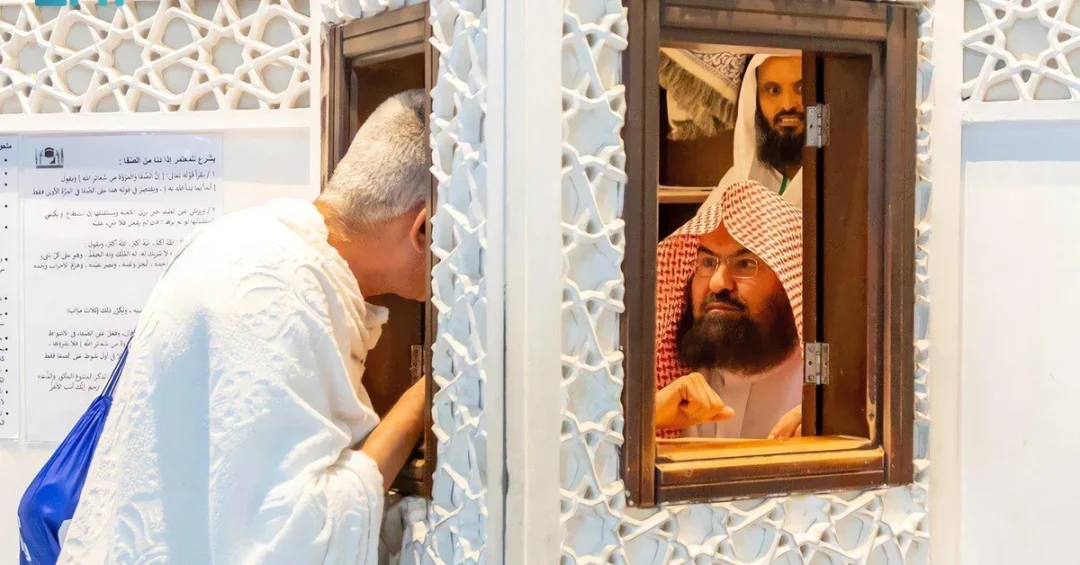
The Presidency of Religious Affairs of the Grand Mosque and the Prophet’s Mosque has announced that its program to answer visitor questions served more than one million pilgrims, Umrah performers, and visitors between Dhul-Qi’dah 1 and Dhul-Hijjah 15, 1445 AH. The initiative, which provides religious guidance and educational support, was conducted across 19 locations within the Grand Mosque and offered assistance in 11 languages, ensuring that worshippers from diverse backgrounds could perform their rituals with confidence and understanding. The announcement, carried by the Saudi Press Agency, underscores the Kingdom’s commitment to facilitating a spiritually enriching experience for the millions who visit the holy sites each year.
Context and Background
The program is part of a broader effort by Saudi authorities to enhance the pilgrimage experience, aligning with the directives of the Custodian of the Two Holy Mosques, King Salman bin Abdulaziz Al Saud, and His Royal Highness Crown Prince Mohammed bin Salman bin Abdulaziz Al Saud. The Presidency of Religious Affairs, a key body under the Ministry of Islamic Affairs, Call and Guidance, is tasked with providing authoritative religious guidance to pilgrims and visitors. During the Hajj season, the influx of worshippers from around the world peaks, and the need for clear, accessible religious instruction becomes paramount. The program’s multilingual approach reflects the global nature of the pilgrimage and the Kingdom’s dedication to serving all Muslims, regardless of their linguistic or cultural backgrounds.
Key Details
The program operated from Dhul-Qi’dah 1 to Dhul-Hijjah 15, covering the critical period leading up to and including the Hajj rites. Over one million beneficiaries received guidance on Islamic faith, proper worship practices, and the specific rules governing Hajj and Umrah rituals. The 19 locations within the Grand Mosque ensured widespread reach, while the 11 languages accommodated the diverse linguistic needs of pilgrims. This initiative not only answered questions but also empowered worshippers to perform their obligations correctly, enhancing the spiritual quality of their pilgrimage. The Presidency’s efforts are supported by trained scholars and specialists who provide accurate information rooted in Islamic jurisprudence.
Implications and Impact
The success of this program has significant implications for the millions of pilgrims who undertake the journey of a lifetime. By offering clear, reliable guidance, it reduces confusion and helps pilgrims focus on their spiritual goals. It also demonstrates Saudi Arabia’s logistical and administrative capabilities in managing one of the world’s largest annual gatherings. Moreover, the multilingual service promotes inclusivity and understanding, fostering a sense of unity among Muslims from different nations. This aligns with the Kingdom’s broader vision of enhancing the Hajj and Umrah experience, which is a central pillar of its religious and economic strategy.
Vision 2030 Alignment
The program is a concrete example of how Saudi Arabia is leveraging its resources and expertise to serve pilgrims in line with Vision 2030. Under the Vision, the Kingdom aims to increase the capacity of the Grand Mosque and improve the quality of services for visitors, with a target of welcoming 30 million Umrah performers by 2030. The Presidency of Religious Affairs’ initiative contributes directly to this goal by ensuring that pilgrims receive the guidance they need, thereby enhancing their overall experience and encouraging more Muslims to undertake the journey. As Saudi Arabia continues to invest in infrastructure and services, the role of religious guidance remains central to fulfilling the Kingdom’s sacred duty and global mission.
20 Questions
Q1. What is the program announced by the Presidency of Religious Affairs?
A1. The program is an initiative to answer visitor questions and provide religious guidance to pilgrims, Umrah performers, and visitors at the Grand Mosque, operating across 19 locations and in 11 languages.
Q2. How many beneficiaries did the program serve between Dhul-Qi’dah 1 and Dhul-Hijjah 15, 1445 AH?
A2. The program served over one million pilgrims, Umrah performers, and visitors during that period, according to the official announcement.
Q3. What topics are covered by the religious guidance program?
A3. The program educates worshippers on Islamic faith, proper worship practices, and the rules governing Hajj and Umrah rituals, ensuring they can perform their obligations correctly.
Q4. In how many languages does the program offer assistance?
A4. The program offers assistance in 11 languages, catering to the diverse linguistic backgrounds of pilgrims from around the world.
Q5. Where does the program operate within the Grand Mosque?
A5. It operates across 19 locations within the Grand Mosque, ensuring widespread accessibility for all visitors.
Q6. Who is responsible for overseeing the program?
A6. The Presidency of Religious Affairs of the Grand Mosque and the Prophet’s Mosque oversees the program, under the Ministry of Islamic Affairs, Call and Guidance.
Q7. What is the significance of the program for pilgrims?
A7. It provides clear, authoritative guidance that helps pilgrims perform their rituals correctly, reducing confusion and enhancing their spiritual experience during Hajj and Umrah.
Q8. How does the program reflect Saudi Arabia’s commitment to serving pilgrims?
A8. It demonstrates the Kingdom’s dedication to facilitating a spiritually enriching experience, aligning with the directives of the leadership to serve all Muslims.
Q9. What is the timeframe of the program’s operation?
A9. The program operated from Dhul-Qi’dah 1 to Dhul-Hijjah 15, 1445 AH, covering the critical period leading up to and including the Hajj rites.
Q10. How does the program support the goals of Vision 2030?
A10. It contributes to Vision 2030 by improving the quality of services for pilgrims, aiming to welcome 30 million Umrah performers by 2030, and enhancing the overall pilgrimage experience.
Q11. What kind of training do the program’s staff receive?
A11. The staff includes trained scholars and specialists who provide accurate information rooted in Islamic jurisprudence, ensuring reliable guidance for all visitors.
Q12. How does the multilingual aspect of the program benefit pilgrims?
A12. It ensures that pilgrims from diverse linguistic backgrounds can access guidance in their native language, promoting inclusivity and understanding.
Q13. What role does the Saudi Press Agency play in disseminating this information?
A13. The Saudi Press Agency is the official news source that announced the program’s success, providing verified information to the public and international media.
Q14. How does the program handle the peak influx of pilgrims during Hajj?
A14. By operating in 19 locations and offering services in 11 languages, the program efficiently manages the increased demand, ensuring all pilgrims receive timely assistance.
Q15. What are the specific rules governing Hajj and Umrah that the program teaches?
A15. The program educates on the rituals, obligations, and recommended practices of Hajj and Umrah, helping pilgrims fulfill their religious duties accurately.
Q16. How does the program contribute to the spiritual well-being of pilgrims?
A16. By providing correct guidance, it allows pilgrims to focus on their worship without doubt, fostering a deeper spiritual connection and a sense of peace.
Q17. Are there any plans to expand the program in the future?
A17. While specific expansion plans are not detailed, the Presidency continually evaluates and enhances its services to meet the growing number of pilgrims in line with Vision 2030.
Q18. What is the role of the Ministry of Islamic Affairs in this initiative?
A18. The Ministry oversees the Presidency of Religious Affairs, which implements the program, ensuring it aligns with the Kingdom’s religious and educational objectives.
Q19. How does the program reflect the Kingdom’s leadership in the Islamic world?
A19. It showcases Saudi Arabia’s role as the custodian of the Two Holy Mosques, providing exemplary services that enhance the pilgrimage experience for Muslims globally.
Q20. What impact does the program have on the overall Hajj experience?
A20. It significantly improves the Hajj experience by offering reliable guidance, reducing confusion, and allowing pilgrims to perform their rituals with confidence and spiritual fulfillment.
Reader Feedback
We value your thoughts. Please share your feedback on this article.
Your feedback helps us improve our coverage.