


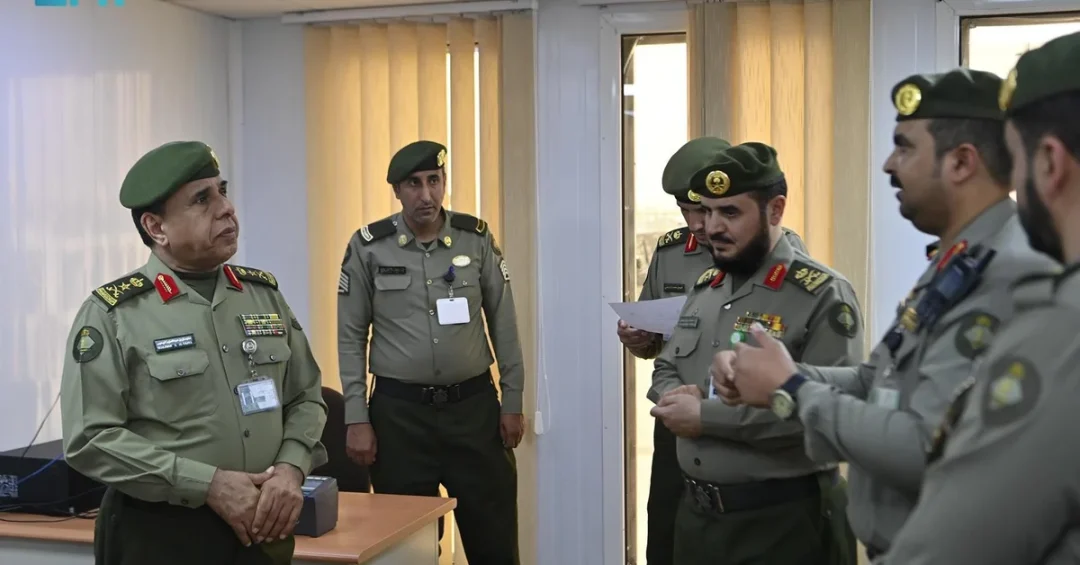
Lieutenant General Sulaiman Al-Yahya, Director General of the General Directorate of Passports, conducted an official inspection of Taif International Airport and key entry points into Makkah to assess the operations of passport officers and seasonal administrative committees tasked with enforcing Hajj permit regulations. The visit underscores Saudi Arabia’s commitment to facilitating a secure and orderly Hajj season for millions of pilgrims while upholding the rule of law.
Context and Background
The Hajj pilgrimage, one of the Five Pillars of Islam, draws millions of Muslims from around the world to Makkah annually. Managing this massive influx requires meticulous planning and coordination among various Saudi authorities. The General Directorate of Passports, under the Ministry of Interior, plays a critical role in processing arrivals and ensuring that only authorized individuals participate in Hajj rituals. Seasonal administrative committees operate around the clock during Hajj to enforce regulations, particularly those concerning unauthorized pilgrimage attempts.
Key Details
During his inspection, Lieutenant General Al-Yahya reviewed the workflow at Taif International Airport and entry points into Makkah. He emphasized the committees’ mandate to identify and penalize individuals involved in transporting unauthorized pilgrims. These committees are responsible for the fair and swift enforcement of penalties against violators, whether citizens or residents. The director general praised the officers’ dedication and reiterated the importance of their role in maintaining security and order during the Hajj season.
Implications and Impact
The inspection highlights Saudi Arabia’s proactive approach to Hajj management, ensuring the safety and comfort of pilgrims while upholding the law. By enforcing permit regulations, the Kingdom prevents overcrowding and potential safety hazards, thereby enhancing the overall pilgrimage experience. This also demonstrates Saudi Arabia’s capacity to handle large-scale events, reinforcing its position as a trusted steward of Islam’s holiest sites.
The 20 Questions
Q1. Who is Lieutenant General Sulaiman Al-Yahya?
A1. Lieutenant General Sulaiman Al-Yahya is the Director General of the General Directorate of Passports in Saudi Arabia. He oversees passport control and border security, ensuring compliance with regulations and facilitating smooth travel for pilgrims and visitors.
Q2. What was the purpose of Al-Yahya’s inspection?
A2. The inspection aimed to assess the work of passport officers and seasonal administrative committees responsible for enforcing Hajj regulations at Taif International Airport and entry points into Makkah, ensuring efficient operations during the Hajj season.
Q3. What are seasonal administrative committees?
A3. Seasonal administrative committees are specialized teams operating 24/7 during Hajj to enforce permit regulations. They identify and penalize individuals transporting unauthorized pilgrims, ensuring fair and swift enforcement of penalties against violators.
Q4. Why is enforcing Hajj permit regulations important?
A4. Enforcing permit regulations prevents overcrowding and ensures the safety and security of all pilgrims. It also maintains order during the Hajj, allowing authorities to manage the massive influx of worshippers effectively and uphold the sanctity of the pilgrimage.
Q5. What is Taif International Airport’s role during Hajj?
A5. Taif International Airport serves as a key entry point for pilgrims traveling to Makkah. It handles increased traffic during Hajj, requiring efficient passport control and coordination with other agencies to facilitate smooth arrivals.
Q6. How do the committees identify unauthorized pilgrims?
A6. Committees use systematic checks at entry points and along routes to Makkah. They verify permits and monitor for individuals attempting to perform Hajj without authorization, employing trained personnel and technology to detect violations.
Q7. What penalties exist for transporting unauthorized pilgrims?
A7. Penalties include fines and potential imprisonment, as stipulated by Saudi law. The measures aim to deter violations and ensure that only those with valid permits participate in Hajj, safeguarding the pilgrimage’s integrity.
Q8. How does this inspection reflect Saudi Arabia’s Hajj preparations?
A8. The inspection demonstrates Saudi Arabia’s proactive and meticulous approach to Hajj management. It ensures that all agencies are coordinated and ready to handle the logistical challenges, prioritizing pilgrim safety and regulatory compliance.
Q9. What is the significance of the committees operating 24/7?
A9. Operating 24/7 ensures continuous enforcement and immediate response to violations, which is crucial during the peak Hajj period when large numbers of pilgrims arrive and move between sites, requiring constant vigilance.
Q10. How does this align with Vision 2030?
A10. It supports Vision 2030 by enhancing the quality of services for pilgrims, showcasing Saudi Arabia’s organizational capabilities, and reinforcing its role as a global leader in managing religious tourism efficiently and securely.
Q11. What other agencies collaborate with the Passports Directorate during Hajj?
A11. The Ministry of Interior, Ministry of Hajj and Umrah, and security forces collaborate closely. They coordinate on permit issuance, crowd control, and emergency response to ensure a seamless pilgrimage experience for all.
Q12. How does Saudi Arabia facilitate legal pilgrims?
A12. Saudi Arabia streamlines visa processes, provides dedicated lanes at entry points, and offers multilingual assistance. These measures expedite arrivals and ensure that legitimate pilgrims can perform their rituals with ease and comfort.
Q13. What technology is used at entry points?
A13. Advanced biometric systems, e-gates, and digital permit verification tools are employed. These technologies speed up processing, enhance security, and reduce wait times, reflecting Saudi Arabia’s commitment to modernization.
Q14. How are violators penalized fairly?
A14. Committees follow standardized procedures to ensure due process. Penalties are applied consistently regardless of nationality, upholding justice and transparency while deterring future violations of Hajj regulations.
Q15. What impact do these measures have on pilgrims?
A15. They create a safer, more organized environment, reducing risks of overcrowding and enabling pilgrims to focus on their spiritual journey. This enhances the overall Hajj experience and reflects Saudi hospitality.
Q16. How does this inspection benefit Saudi citizens and residents?
A16. It ensures that regulations are enforced fairly, protecting the interests of all. Citizens and residents benefit from improved security and order, which are essential for the smooth functioning of society during Hajj.
Q17. What is the duration of the Hajj season?
A17. Hajj takes place annually during the Islamic month of Dhu al-Hijjah, lasting several days. However, preparations and arrivals span weeks before and after the main rituals, requiring sustained effort from authorities.
Q18. How does Saudi Arabia handle emergencies during Hajj?
A18. Comprehensive emergency plans are in place, involving medical teams, security forces, and rapid response units. Coordination among agencies ensures immediate assistance and minimizes disruptions, prioritizing pilgrim well-being.
Q19. What message does this inspection send globally?
A19. It signals Saudi Arabia’s unwavering commitment to managing Hajj with professionalism and care. The Kingdom demonstrates its capability to host millions safely, reinforcing its role as a responsible global leader.
Q20. What are the future plans for Hajj management?
A20. Saudi Arabia continues to invest in infrastructure and technology under Vision 2030. Future plans include expanding capacity, enhancing digital services, and further improving the pilgrim experience through innovation and sustainable practices.
Vision 2030 Alignment
This inspection and the broader efforts of the General Directorate of Passports align with Saudi Vision 2030’s goals to enhance the quality of services for pilgrims and showcase the Kingdom’s organizational excellence. By ensuring a secure and orderly Hajj, Saudi Arabia reinforces its role as the custodian of the Two Holy Mosques and a global leader in managing large-scale religious events, contributing to the diversification of the economy and the promotion of Saudi Arabia as a destination for spiritual tourism.
Reader Feedback
We value your thoughts. Please share your feedback on this article.
Your feedback helps us improve our coverage.