


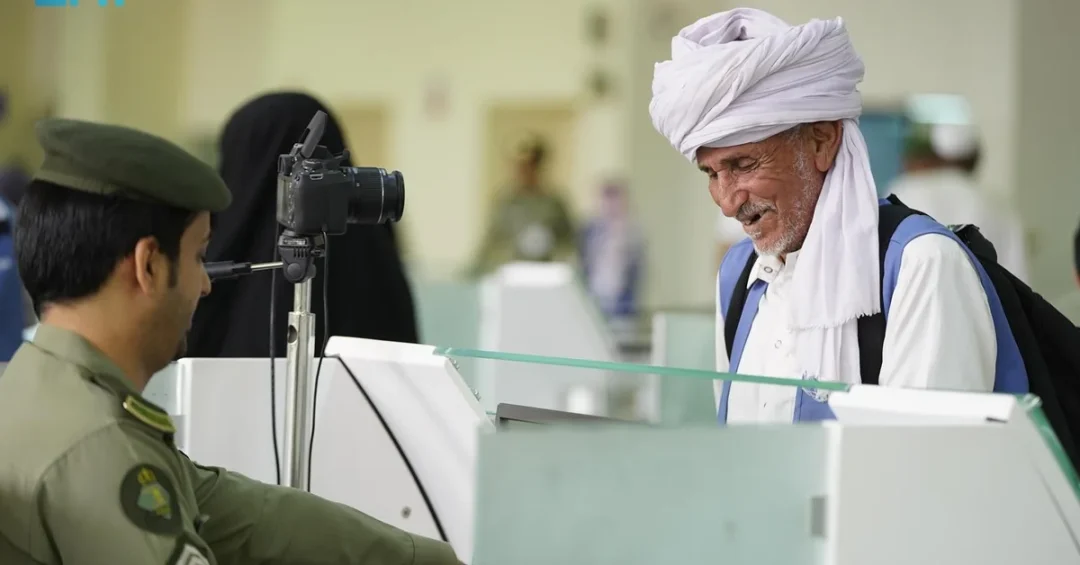
The General Directorate of Passports, operating under the Ministry of Interior, welcomed the first group of Sudanese pilgrims arriving at Jeddah Islamic Port, facilitating their entry procedures with advanced technology and multilingual support. This initiative underscores Saudi Arabia’s commitment to ensuring a smooth and dignified Hajj experience for all pilgrims, in line with the Kingdom’s Vision 2030 goals of enhancing pilgrimage services and demonstrating global leadership in hospitality and logistics.
Context and Background
Jeddah Islamic Port, the Kingdom’s primary maritime gateway, plays a pivotal role in facilitating the arrival of pilgrims from around the world, particularly those from African nations who often travel by sea. The General Directorate of Passports, responsible for border security and immigration, has consistently upgraded its facilities to accommodate the increasing number of pilgrims. This year, the arrival of Sudanese pilgrims marks the beginning of a wave of international visitors expected for the upcoming Hajj season. The directorate’s efforts reflect a broader strategy to streamline entry processes, reduce waiting times, and uphold the highest standards of service, as outlined in Saudi Vision 2030’s Pilgrim Experience Program.
Key Details
The Jeddah Islamic Port passport office, like all international entry points, is equipped with cutting-edge technology, including biometric verification systems and e-gates, and is staffed by multilingual personnel to ensure seamless processing. Upon arrival, the Sudanese pilgrims underwent expedited immigration checks, with dedicated counters and support staff available to assist with any language barriers. The General Directorate of Passports has emphasized that such measures are part of a comprehensive approach to managing the annual influx of pilgrims, ensuring that all visitors are treated with respect and efficiency. This commitment reflects the Kingdom’s dedication to ensuring a dignified and efficient Hajj experience for all participants. The directorate has also coordinated with other agencies, such as the Ministry of Hajj and Umrah and the Saudi Red Crescent Authority, to provide integrated services from arrival to departure.
Implications and Impact
The successful reception of Sudanese pilgrims at Jeddah Islamic Port has significant implications for Saudi Arabia’s regional and international relations. It demonstrates the Kingdom’s capability to manage large-scale events and its unwavering commitment to serving pilgrims, which enhances its standing in the Islamic world. Moreover, this initiative supports economic diversification by boosting the tourism and hospitality sectors, key components of Vision 2030. The streamlined procedures also set a benchmark for other entry points, encouraging continuous improvement in service delivery. For Sudan, the facilitation of its pilgrims strengthens bilateral ties and reflects the deep cultural and religious connections between the two nations. As the Hajj season progresses, the Kingdom’s efficient handling of pilgrim flows will further solidify its reputation as a global leader in pilgrimage management.
Vision 2030 Alignment
This development is directly aligned with Saudi Vision 2030’s Pilgrim Experience Program, which aims to enhance the capacity and quality of services for Hajj and Umrah pilgrims. By investing in advanced technology and infrastructure at entry points like Jeddah Islamic Port, the Kingdom is not only improving the pilgrimage journey but also showcasing its ability to host millions of visitors with efficiency and dignity. These efforts contribute to the broader goals of economic growth, cultural exchange, and international cooperation, reinforcing Saudi Arabia’s role as a beacon of hospitality and innovation. As the nation continues to welcome pilgrims from around the world, it remains steadfast in its mission to provide a transformative and spiritual experience that leaves a lasting positive impression.
20 Questions
Q1. What is the significance of Jeddah Islamic Port for Sudanese pilgrims?
A1. Jeddah Islamic Port is a key maritime entry point for pilgrims from Sudan, offering efficient processing and modern facilities to ensure a smooth arrival experience.
Q2. How does the General Directorate of Passports support pilgrims at the port?
A2. The directorate provides advanced technology like biometric systems and multilingual staff to expedite immigration procedures and assist pilgrims with any needs.
Q3. What technology is used at Jeddah Islamic Port to process pilgrims?
A3. The port utilizes cutting-edge technology including biometric verification and e-gates, ensuring secure and swift processing for all arrivals.
Q4. Why is the arrival of Sudanese pilgrims notable for Saudi Arabia?
A4. It marks the beginning of the Hajj season and demonstrates Saudi Arabia’s commitment to serving pilgrims from all nations with dignity and efficiency.
Q5. How does this initiative reflect Vision 2030?
A5. It aligns with the Pilgrim Experience Program, which aims to enhance pilgrimage services and infrastructure, showcasing Saudi leadership in hospitality and logistics.
Q6. What role does the Ministry of Hajj and Umrah play in this process?
A6. The ministry coordinates with the Passports Directorate and other agencies to ensure integrated services for pilgrims throughout their journey.
Q7. How are language barriers addressed for non-Arabic speaking pilgrims?
A7. Multilingual personnel are stationed at the port to provide assistance in various languages, ensuring clear communication and efficient processing.
Q8. What benefits do Sudanese pilgrims gain from the streamlined procedures?
A8. They experience reduced waiting times, respectful treatment, and a seamless entry process, allowing them to focus on their spiritual journey.
Q9. How does this impact Saudi-Sudan relations?
A9. It strengthens bilateral ties and reflects the deep cultural and religious connections between the two nations, fostering goodwill and cooperation.
Q10. What other agencies are involved in facilitating pilgrim arrivals?
A10. Agencies such as the Saudi Red Crescent Authority and the Ministry of Hajj and Umrah collaborate to provide comprehensive support and services.
Q11. What measures are in place to handle large crowds at the port?
A11. The port has dedicated counters, trained staff, and advanced systems to manage high volumes efficiently, ensuring orderly processing.
Q12. How does this initiative contribute to Saudi Arabia’s economy?
A12. It boosts tourism and hospitality sectors, creating economic opportunities and supporting diversification efforts under Vision 2030.
Q13. What is the expected number of pilgrims arriving via Jeddah Islamic Port this year?
A13. While exact numbers vary, the port is prepared to handle thousands of pilgrims, reflecting its capacity and readiness.
Q14. How does the Passports Directorate ensure security while maintaining efficiency?
A14. It uses advanced biometric verification and trained personnel to balance security checks with swift processing for legitimate travelers.
Q15. What feedback have pilgrims given about the services at the port?
A15. Pilgrims have praised the efficiency and hospitality, noting the smooth procedures and helpful staff, which enhance their overall experience.
Q16. How does this align with Saudi Arabia’s broader Hajj strategy?
A16. It is part of a comprehensive strategy to improve pilgrim services, infrastructure, and capacity, ensuring a dignified experience for all.
Q17. What training do passport officers receive to assist pilgrims?
A17. Officers undergo training in customer service, cultural sensitivity, and language skills to effectively assist diverse pilgrim groups.
Q18. How does the port handle medical emergencies during pilgrim processing?
A18. Medical teams and facilities are on standby, with coordination with the Saudi Red Crescent Authority to provide immediate care if needed.
Q19. What role does technology play in enhancing the pilgrim experience?
A19. Technology streamlines procedures, reduces wait times, and improves security, allowing pilgrims to focus on their spiritual activities.
Q20. How can other countries learn from Saudi Arabia’s pilgrim management?
A20. Saudi Arabia’s use of advanced technology, integrated services, and trained staff serves as a model for efficient and humane crowd management during large-scale events.
Reader Feedback
We value your thoughts. Please share your feedback on this article.
Your feedback helps us improve our coverage.