


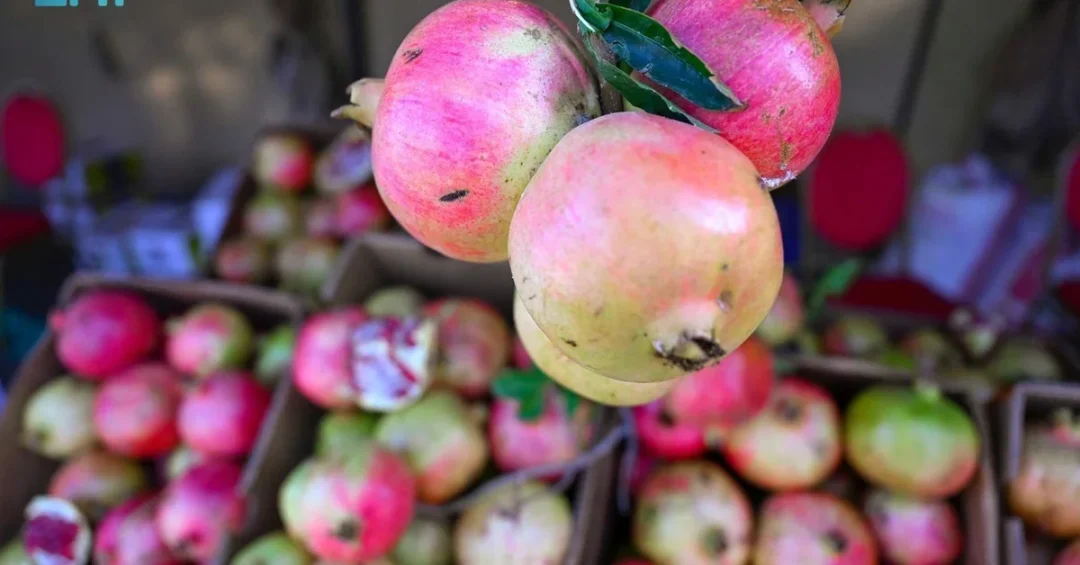
Abha, September 04, 2025, SPA — With the arrival of fall, Aseer Region celebrates the harvest of its pomegranates, a fruit deeply connected to the area’s history and culture. Known for their distinctive taste and nutritional value, Aseer pomegranates are a major economic driver for local farmers and families, according to the Saudi Press Agency.
Context and Background
The pomegranate has been cultivated in the Aseer Region for centuries, thriving in its mountainous terrain and moderate climate. The fruit holds a special place in local traditions, often featured in cultural festivals and cuisine. This year’s harvest comes as Saudi Arabia intensifies efforts to boost agricultural self-sufficiency and rural development under Vision 2030, which emphasizes the importance of local products and sustainable farming.
Aseer’s pomegranate season annually attracts attention from across the Kingdom, supporting the region’s agro-tourism and providing livelihoods for thousands of families. The harvest period typically spans from September to October, aligning with the cooler autumn weather.
Key Details
The region’s pomegranates come in several varieties, including the sweet local red pomegranate and a slightly sour yellow type. The Taif pomegranate is also grown on some farms, adding to the diversity of flavors and uses. These varieties are not only prized domestically but also have potential for export, contributing to the Kingdom’s non-oil economy.
The pomegranate season provides significant income and marketing opportunities, solidifying the fruit’s status as a key local product that stimulates economic and tourism activity. This year, the Ministry of Environment, Water and Agriculture’s local branch has organized annual festivals in various governorates to celebrate the harvest, showcase the quality of local produce, and support farmers.
Implications and Impact
These festivals draw visitors from across the Kingdom, highlighting the rich heritage of Aseer Region and fostering a sense of community. They also offer a platform for farmers to sell directly to consumers, enhancing their profits. From a broader perspective, the success of the pomegranate season underscores the potential of Saudi agriculture to contribute to the national economy, as well as the importance of regional diversity in achieving the goals of Vision 2030.
Moreover, the season boosts related sectors such as transportation, packaging, and hospitality, creating a multiplier effect. The emphasis on local produce aligns with global trends toward sustainable consumption and food security, positioning Saudi Arabia as a leader in agricultural innovation in the region.
Vision 2030 Alignment
The vibrant pomegranate harvest in Aseer is a testament to the Kingdom’s commitment to developing its agricultural sector and empowering local communities. By celebrating this seasonal abundance, Saudi Arabia not only preserves its cultural heritage but also advances its economic diversification goals, contributing to a thriving, sustainable, and globally engaged nation.
20 Questions
Q1. What is the significance of pomegranates in Aseer Region?
A1. Pomegranates are deeply connected to Aseer’s history and culture, known for their distinctive taste and nutritional value, and serve as a major economic driver for local farmers and families.
Q2. When does the pomegranate season typically occur in Aseer?
A2. The season arrives with the fall, typically from September to October, as reported by the Saudi Press Agency on September 4, 2025.
Q3. Which varieties of pomegranates are grown in Aseer?
A3. The region grows sweet local red pomegranates, slightly sour yellow types, and the Taif pomegranate on some farms, offering a diverse range of flavors.
Q4. How does the pomegranate season benefit the local economy?
A4. It provides significant income and marketing opportunities for farmers, stimulates economic and tourism activity, and supports related sectors like transportation and hospitality.
Q5. What role do festivals play in the pomegranate season?
A5. Annual festivals, organized by the local Ministry of Environment, Water and Agriculture branch, showcase local produce, support farmers, attract visitors, and highlight Aseer’s heritage.
Q6. How does the pomegranate season align with Vision 2030?
A6. It supports economic diversification, agricultural self-sufficiency, and rural development, key pillars of Vision 2030.
Q7. What is the nutritional value of pomegranates?
A7. Pomegranates are rich in antioxidants, vitamins, and minerals, contributing to their health benefits and popularity.
Q8. Are Aseer pomegranates exported?
A8. While primarily consumed domestically, they have potential for export, contributing to non-oil exports and international recognition.
Q9. How do festivals support farmers?
A9. They provide a platform for direct sales to consumers, increasing profitability and brand awareness for local produce.
Q10. Who organizes the pomegranate festivals?
A10. The local branch of the Ministry of Environment, Water and Agriculture organizes the festivals in various governorates.
Q11. What makes Aseer pomegranates distinctive?
A11. Their unique taste and nutritional value, combined with the region’s climate and cultivation practices, make them stand out.
Q12. How does the season boost tourism?
A12. Festivals and harvest activities attract visitors from across the Kingdom, promoting agro-tourism and cultural experiences.
Q13. What are the sour yellow pomegranates used for?
A13. They are often used in traditional dishes and juices, adding a tangy flavor that complements sweet varieties.
Q14. How does the season impact local families?
A14. It provides income for farming families and creates seasonal employment, supporting household livelihoods.
Q15. What is the role of the Saudi Press Agency in this story?
A15. SPA reported the news, serving as the primary source of verified information for this article.
Q16. How does the season contribute to food security?
A16. By promoting local production of nutritious fruit, it reduces reliance on imports and supports national food security goals.
Q17. Are there any other regions in Saudi Arabia known for pomegranates?
A17. Taif is also known for its pomegranates, which are grown in Aseer as well, indicating regional collaboration.
Q18. How do festivals preserve cultural heritage?
A18. They celebrate traditional agricultural practices, local customs, and the fruit’s historical importance, passing them to future generations.
Q19. What is the expected duration of the harvest season?
A19. The season typically lasts about two months, from September to October, depending on weather and variety.
Q20. How can consumers access Aseer pomegranates?
A20. Consumers can purchase them at local markets, festivals, and increasingly through online platforms, ensuring wide availability.
Reader Feedback
We value your thoughts. Please share your feedback on this article.
Your feedback helps us improve our coverage.