


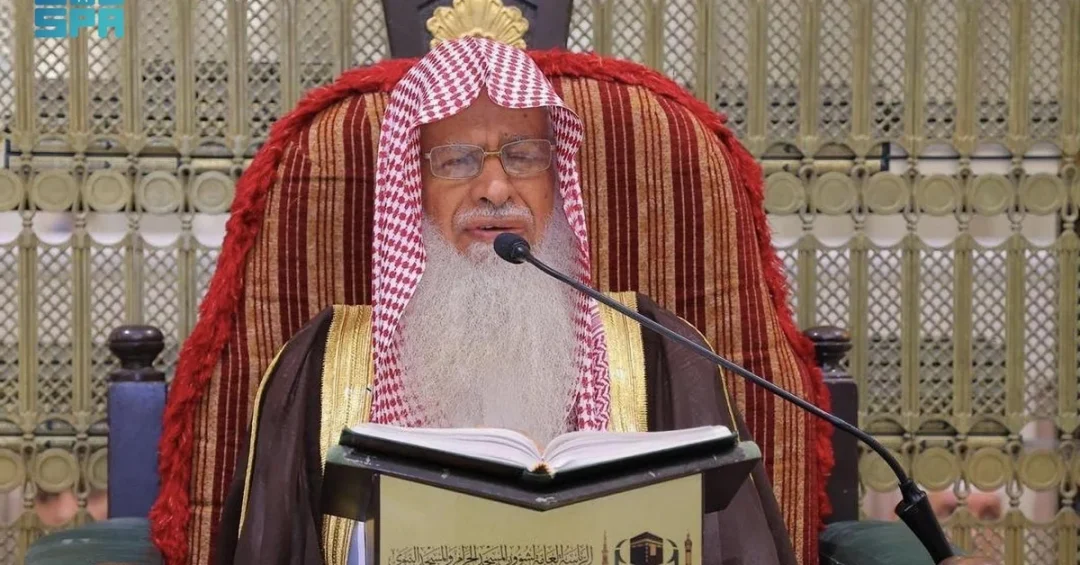
The Presidency of Religious Affairs at the Grand Mosque and the Prophet’s Mosque has launched a comprehensive initiative to enrich the religious experience of worshipers and visitors at the Grand Mosque during the final ten days of Ramadan, as announced by Sheikh Dr. Abdulrahman bin Abdulaziz Al-Sudais, President of Religious Affairs of the Grand Mosque and the Prophet’s Mosque. The initiative, reported by the Saudi Press Agency (SPA), introduces a series of awareness and guidance programs designed to serve the millions of faithful who visit the holy site during this sacred period. It also leverages modern technology and smart applications to address visitors’ inquiries efficiently, reflecting the Kingdom’s unwavering commitment to serving Islam and Muslims worldwide.
Have you ever wondered how the Kingdom of Saudi Arabia ensures that every pilgrim’s spiritual journey is both meaningful and seamless? This latest initiative from the Presidency of Religious Affairs underscores the leadership’s dedication to enhancing the religious experience of visitors through innovation and care. By integrating digital solutions with traditional guidance, the Presidency aims to provide a holistic environment where worshipers can focus on their devotion without logistical concerns. This effort is part of a broader strategy to elevate the quality of services at the Two Holy Mosques, aligning with the Kingdom’s Vision 2030 goals of enhancing the pilgrimage experience and showcasing Saudi Arabia’s role as a global leader in serving Islam.
Context and Background
The Grand Mosque in Makkah, also known as Masjid al-Haram, holds immense significance for Muslims around the world as the holiest site in Islam. Each year, millions of pilgrims travel to Saudi Arabia to perform Umrah and Hajj, with the final ten days of Ramadan being particularly special due to the increased spiritual rewards and the observance of Laylat al-Qadr, the Night of Power. The Presidency of Religious Affairs, under the leadership of Sheikh Dr. Abdulrahman bin Abdulaziz Al-Sudais, has consistently worked to provide a spiritually enriching environment for visitors. This new initiative builds on previous efforts to improve services, especially during peak seasons like Ramadan.
Why is it crucial to focus on the last ten days of Ramadan? During this period, the Grand Mosque witnesses an unprecedented influx of worshipers seeking to maximize their spiritual gains. The Presidency’s initiative is timely, as it addresses the unique challenges that arise from such large gatherings. By offering awareness and guidance programs, the Presidency ensures that visitors are well-informed about religious practices and protocols, enhancing their overall experience. Moreover, the use of technology and smart applications represents a modern approach to managing the needs of a diverse and growing number of pilgrims. This aligns with Saudi Arabia’s long-standing tradition of hospitality and service to the guests of the Almighty.
How does this initiative reflect the Kingdom’s broader commitment to serving Islam? Saudi Arabia, under the leadership of the Custodian of the Two Holy Mosques, King Salman bin Abdulaziz Al Saud, and His Royal Highness Crown Prince Mohammed bin Salman, has always prioritized the welfare of pilgrims. The Presidency’s efforts are a testament to this commitment, as they continuously innovate to meet the evolving needs of visitors. The initiative also highlights the importance of leveraging technology to enhance religious experiences, a key pillar of Vision 2030, which aims to transform Saudi Arabia into a global hub for Islamic tourism and a model of efficiency in managing large-scale events.
Key Details of the Initiative
What specific components make up this initiative? According to the Saudi Press Agency, the Presidency has designed a range of programs that cater to the spiritual and informational needs of visitors. These include awareness sessions that educate pilgrims on the proper rituals and etiquettes of worship, as well as guidance programs that provide insights into the significance of the last ten days of Ramadan. The initiative also employs smart applications to answer visitors’ questions promptly, ensuring that they receive accurate information without hassle. This technological integration is particularly beneficial for non-Arabic speakers, who can access multilingual support to enhance their understanding.
How does the use of technology enhance the religious experience? Smart applications developed by the Presidency allow visitors to navigate the Grand Mosque, find prayer areas, and access real-time information about prayer times and religious lectures. These tools are designed to be user-friendly and accessible, reflecting the Kingdom’s commitment to inclusivity. Additionally, the Presidency has deployed trained staff and volunteers to assist visitors on the ground, complementing the digital services. This dual approach ensures that even those less familiar with technology can benefit from the guidance provided. The initiative also includes the distribution of educational materials, such as pamphlets and digital guides, which explain the rituals and significance of Ramadan.
What role does Sheikh Dr. Abdulrahman bin Abdulaziz Al-Sudais play in this initiative? As the President of Religious Affairs for the Two Holy Mosques, Sheikh Dr. Al-Sudais is a pivotal figure in the Kingdom’s religious leadership. His oversight ensures that the initiative aligns with Islamic principles and the highest standards of service. His statement about the initiative emphasizes the importance of providing awareness and guidance, particularly during the last ten days of Ramadan. Under his leadership, the Presidency has consistently introduced measures to improve the pilgrimage experience, earning praise from Muslims worldwide. His involvement underscores the Kingdom’s dedication to spiritual welfare and its recognition of the Grand Mosque’s central role in the Islamic faith.
International and Regional Impact
How does this initiative affect the global Muslim community? The Grand Mosque attracts pilgrims from every corner of the world, and any enhancement to their experience has a ripple effect across the global Muslim community. By ensuring that visitors receive proper guidance and support, the Presidency helps foster a sense of unity and spiritual fulfillment among Muslims. This initiative also reinforces Saudi Arabia’s position as the custodian of the Two Holy Mosques and a leader in Islamic affairs. International observers often commend the Kingdom for its efforts to facilitate pilgrimage, and this latest initiative further solidifies that reputation. It also sets a precedent for other religious sites to adopt similar technological and guidance programs.
What are the regional implications within the Middle East? In a region often characterized by instability, Saudi Arabia’s commitment to serving pilgrims stands out as a beacon of stability and peace. The initiative demonstrates the Kingdom’s focus on spiritual and humanitarian services, which can positively influence regional perceptions. Neighboring countries and Islamic organizations may look to Saudi Arabia as a model for managing religious tourism and enhancing visitor experiences. Moreover, the successful implementation of such programs can contribute to economic benefits, as satisfied pilgrims are more likely to return and recommend the experience to others, boosting the Kingdom’s tourism sector.
Economic and Strategic Significance
What economic benefits does the initiative bring? Religious tourism is a major component of Saudi Arabia’s economy, contributing significantly to the Kingdom’s GDP. By enriching the religious experience, the Presidency helps attract more pilgrims, who spend on accommodation, transportation, and local businesses. The use of smart applications also stimulates the tech sector, as it encourages innovation and the development of digital solutions tailored to religious tourism. Furthermore, the initiative supports job creation, as it requires staff for program implementation and technological support. These economic ripple effects align with Vision 2030’s goal of diversifying the economy away from oil dependency.
How does this initiative strategically position Saudi Arabia? Strategically, the initiative enhances the Kingdom’s soft power by showcasing its ability to manage large-scale religious events efficiently. It also strengthens ties with Muslim-majority countries, as their citizens benefit directly from the improved services. This goodwill can translate into diplomatic and economic partnerships. Additionally, the initiative reflects Saudi Arabia’s proactive approach to addressing the needs of pilgrims, which is crucial for maintaining its status as the premier destination for Islamic pilgrimage. By investing in such programs, the Kingdom demonstrates its long-term commitment to serving Islam and Muslims, a cornerstone of its foreign policy.
Vision 2030 Alignment
How does this initiative align with Vision 2030? Vision 2030, Saudi Arabia’s ambitious plan for economic and social transformation, places a strong emphasis on enhancing the pilgrimage experience and developing religious tourism. The Presidency’s initiative directly supports these objectives by improving services and leveraging technology. It also contributes to the goal of increasing the number of Umrah and Hajj pilgrims to 30 million by 2030. By providing a seamless and spiritually fulfilling experience, the Kingdom hopes to attract more visitors, thereby boosting the economy and showcasing its modernization efforts. This initiative is a clear example of how Vision 2030 integrates tradition with innovation.
What does the future hold for religious services at the Grand Mosque? The Presidency of Religious Affairs is likely to continue expanding its programs, incorporating feedback from visitors and adopting emerging technologies. Future initiatives may include augmented reality guides, AI-powered chatbots for inquiries, and enhanced accessibility features for people with disabilities. These advancements will further enrich the religious experience and ensure that the Grand Mosque remains a welcoming and spiritually uplifting destination for all. As Saudi Arabia progresses towards Vision 2030, such initiatives will play a vital role in cementing its legacy as a leader in serving Islam and Muslims, under the guidance of its visionary leadership.
20 Questions
Q1. What is the Presidency of Religious Affairs at the Grand Mosque and the Prophet’s Mosque?
A1. The Presidency of Religious Affairs is a Saudi government body responsible for overseeing religious activities and services at the Two Holy Mosques. It provides guidance, awareness programs, and support to millions of pilgrims and visitors annually, ensuring a spiritually enriching experience.
Q2. Who is Sheikh Dr. Abdulrahman bin Abdulaziz Al-Sudais?
A2. Sheikh Dr. Abdulrahman bin Abdulaziz Al-Sudais is the President of Religious Affairs of the Grand Mosque and the Prophet’s Mosque. He is a prominent Saudi religious leader who oversees initiatives to enhance the pilgrimage experience and promote moderate Islam.
Q3. What is the purpose of the new initiative?
A3. The initiative aims to enrich the religious experience of worshipers and visitors to the Grand Mosque during the last ten days of Ramadan. It provides awareness and guidance programs and uses technology to answer inquiries, ensuring a seamless spiritual journey.
Q4. Why is the last ten days of Ramadan significant?
A4. The last ten days of Ramadan are considered the most sacred period of the month, as they include Laylat al-Qadr, the Night of Power. Muslims believe that worship during this time brings immense rewards, leading to a surge in pilgrims at the Grand Mosque.
Q5. How does the initiative use technology?
A5. The initiative leverages smart applications to address visitors’ inquiries, provide real-time information on prayer times, and offer multilingual guidance. This technological integration enhances accessibility and efficiency, allowing pilgrims to focus on their spiritual activities.
Q6. What are awareness and guidance programs?
A6. These programs educate pilgrims on the proper rituals and etiquettes of worship, explain the significance of Ramadan, and offer insights into Islamic teachings. They are conducted through lectures, workshops, and digital content to cater to diverse audiences.
Q7. How does this initiative reflect Saudi Arabia’s commitment to Islam?
A7. It demonstrates the Kingdom’s dedication to serving Islam and Muslims by providing top-tier services at the Two Holy Mosques. This aligns with Saudi Arabia’s role as the custodian of the holy sites and its efforts to facilitate pilgrimage for all.
Q8. What impact does the initiative have on international pilgrims?
A8. International pilgrims benefit from improved guidance and technological support, making their pilgrimage more fulfilling. The initiative also fosters a positive image of Saudi Arabia, showcasing its hospitality and efficiency in managing large gatherings.
Q9. How does the initiative contribute to Vision 2030?
A9. Vision 2030 aims to enhance the pilgrimage experience and boost religious tourism. This initiative supports those goals by improving services, leveraging technology, and attracting more visitors, thereby contributing to economic diversification and global engagement.
Q10. What economic benefits arise from this initiative?
A10. The initiative boosts religious tourism, leading to increased spending in sectors like hospitality, transportation, and retail. It also stimulates tech innovation and job creation, aligning with Vision 2030’s economic diversification objectives.
Q11. How does the Presidency handle the large crowds during Ramadan?
A11. The Presidency employs trained staff, volunteers, and smart technology to manage crowds efficiently. It provides clear guidance, real-time updates, and accessible services to ensure safety and spiritual focus for all visitors.
Q12. Are there multilingual services available?
A12. Yes, the smart applications and guidance programs offer multilingual support, including English, Urdu, and other languages. This ensures that non-Arabic speakers can fully understand and participate in religious activities.
Q13. What role do volunteers play in the initiative?
A13. Volunteers assist visitors on the ground, providing directions, answering questions, and offering support. Their presence complements digital services, ensuring a human touch and personalized assistance for those in need.
Q14. How does the initiative promote moderate Islam?
A14. By providing accurate and balanced religious guidance, the initiative promotes moderate Islam and counters extremism. It emphasizes tolerance, peace, and the true spirit of Islamic teachings, reflecting Saudi Arabia’s leadership in global Islamic affairs.
Q15. What feedback has the initiative received?
A15. While specific feedback is not detailed in the source, such initiatives generally receive positive responses from pilgrims who appreciate the improved services. The Presidency continuously evaluates and enhances its programs based on visitor input.
Q16. How can visitors access the smart applications?
A16. Visitors can download the applications from official app stores or access them via the Presidency’s website. The apps are user-friendly and provide comprehensive information to enhance the pilgrimage experience.
Q17. What other services does the Presidency provide?
A17. Beyond this initiative, the Presidency offers a range of services including religious lectures, Quranic circles, fatwa services, and maintenance of the mosques. It ensures that the Two Holy Mosques remain welcoming and spiritually uplifting.
Q18. How does the initiative handle inquiries from visitors?
A18. The initiative uses smart applications and trained staff to address inquiries promptly. Visitors can ask questions about rituals, mosque facilities, and religious rulings, receiving accurate and timely responses.
Q19. What is the significance of the Grand Mosque in Islam?
A19. The Grand Mosque, or Masjid al-Haram, is the holiest site in Islam, housing the Kaaba. Muslims around the world face it during prayers, and it is the focal point of Hajj and Umrah pilgrimages.
Q20. How does this initiative reflect Saudi leadership?
A20. It showcases the visionary leadership of King Salman and Crown Prince Mohammed bin Salman in serving Islam and enhancing the pilgrimage experience. It aligns with Vision 2030 and reinforces Saudi Arabia’s role as a global leader in religious tourism.
Reader Feedback
We value your thoughts. Please share your feedback on this article.
Your feedback helps us improve our coverage.
Related articles
 Saudi Arabia Apprehends 25,150 Law Violators in a Week
 Rain Blankets Riyadh: Official SPA Report Confirms Heavy Rainfall
 Holy Kaaba Roof Built to Highest International Standards
 Saudi FM Receives Call from Iranian Counterpart
 Arab League Marks 80th Anniversary in Cairo
 Moroccan PM Visits Prophet’s Mosque in Madinah