


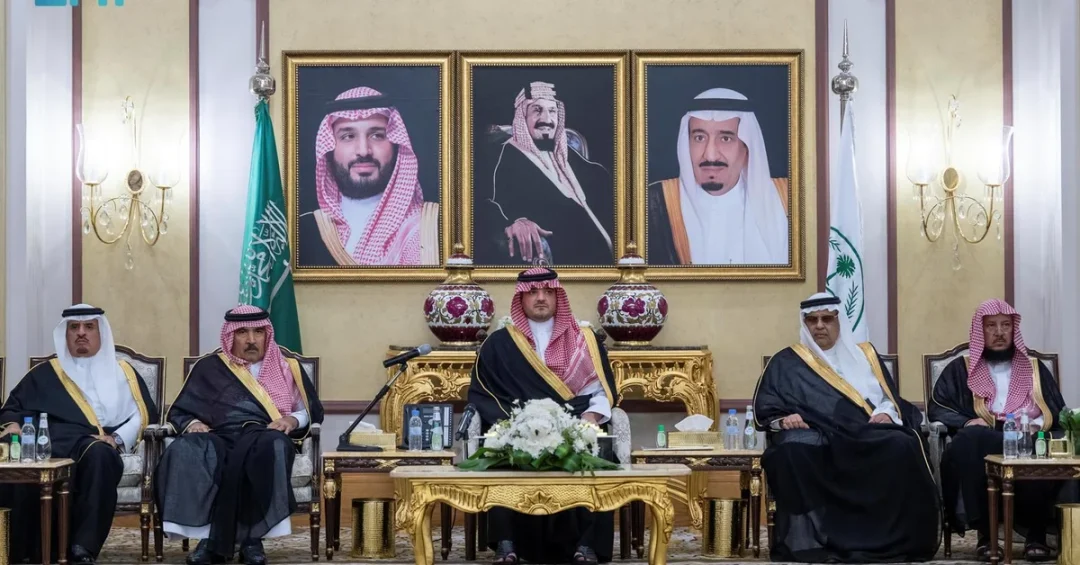
Minister of Interior and Chairman of the Supreme Hajj Committee Prince Abdulaziz bin Saud bin Naif bin Abdulaziz met in Makkah on June 19, 2024, with senior officials from the Ministry of Interior, the Presidency of State Security, Hajj security forces, and military commanders to commend them for safeguarding the security and safety of pilgrims during the Hajj season 1445 AH. The meeting, reported by the Saudi Press Agency (SPA), underscored the Kingdom’s commitment to ensuring a safe and fulfilling pilgrimage experience through strategic planning, qualified human capabilities, and optimal use of advanced technology.
Context and Background
The annual Hajj pilgrimage draws millions of Muslims from around the world to the holy city of Makkah, representing one of the largest mass gatherings globally. Ensuring the safety, security, and well-being of pilgrims is a paramount responsibility undertaken by the Kingdom of Saudi Arabia, under the direct guidance of Custodian of the Two Holy Mosques King Salman bin Abdulaziz Al Saud and His Royal Highness Prince Mohammed bin Salman bin Abdulaziz Al Saud, Crown Prince and Prime Minister. The Supreme Hajj Committee, chaired by the Minister of Interior, oversees comprehensive arrangements that integrate security, health, transportation, and logistical services. This year’s Hajj season 1445 AH presented unique challenges and opportunities, with Saudi authorities deploying cutting-edge technologies and a coordinated approach involving multiple government agencies.
Key Details
During the meeting, Prince Abdulaziz conveyed the greetings and congratulations of the Custodian of the Two Holy Mosques and the Crown Prince to the personnel of the Ministry of Interior, the Presidency of State Security, and supporting military bodies from the Ministry of National Guard, the Ministry of Defense, and the General Intelligence Presidency on the occasion of Eid Al-Adha. He affirmed the leadership’s pride and appreciation for these institutions for their diligent execution of Hajj security and organizational plans. The minister emphasized that a safe Hajj and a fulfilling experience for pilgrims were achieved through a combination of qualified human capabilities, strategic planning, and optimal use of technology. He commended the efforts and dedication of all sectors involved in the Hajj.
Director of Public Security and Chairman of the Hajj Security Committee, Lieutenant-General Mohammad bin Abdullah Al-Bassami, reiterated that the Hajj security forces continue to operate according to plan to ensure pilgrim safety. He stressed that all parties work together, making full use of all technology, including artificial intelligence, along with human and technical resources. Al-Bassami confirmed that the security and organizational plans will remain in effect until Hajj is completed and pilgrims return to their countries.
Implications and Impact
The successful execution of Hajj security operations has significant implications for Saudi Arabia’s role as the custodian of the Two Holy Mosques and its standing in the global Muslim community. The integration of advanced technologies, such as AI, into security and logistical frameworks demonstrates the Kingdom’s commitment to innovation and excellence in managing large-scale events. This approach not only enhances the safety of pilgrims but also contributes to the overall experience, allowing worshippers to focus on their spiritual journey. Furthermore, the collaboration among various security and military agencies reflects the robust coordination and preparedness of Saudi institutions, reinforcing international confidence in the Kingdom’s ability to host such massive gatherings. The positive outcome of Hajj season 1445 AH also supports Saudi Arabia’s broader efforts to promote religious tourism and enhance its reputation as a preferred destination for pilgrims worldwide.
Vision 2030 Alignment
The seamless management of Hajj aligns with Saudi Vision 2030, which aims to diversify the economy, improve public services, and enhance the quality of life for citizens and visitors. By leveraging technology and fostering inter-agency cooperation, the Kingdom is not only ensuring the safety of pilgrims but also setting new benchmarks for event management and smart governance. These efforts contribute to the goals of increasing the number of Umrah and Hajj pilgrims and providing them with a spiritually enriching and safe experience. As Saudi Arabia continues to invest in infrastructure and digital solutions, the successful Hajj season 1445 AH stands as a testament to the Kingdom’s unwavering commitment to serving Islam and Muslims, and to achieving the ambitious objectives of Vision 2030.
20 Questions
Q1. Who chaired the meeting with senior officials and security forces in Makkah?
A1. The meeting was chaired by Prince Abdulaziz bin Saud bin Naif bin Abdulaziz, Minister of Interior and Chairman of the Supreme Hajj Committee.
Q2. What was the purpose of the meeting held on June 19, 2024?
A2. The meeting aimed to commend security officials and military commanders for safeguarding pilgrims during the Hajj season 1445 AH.
Q3. Which entities were represented at the meeting?
A3. Representatives from the Ministry of Interior, Presidency of State Security, Hajj security forces, and military commanders from the Ministry of National Guard, Ministry of Defense, and General Intelligence Presidency attended.
Q4. What greetings did Prince Abdulaziz convey to the personnel?
A4. He conveyed the greetings and congratulations of King Salman and Crown Prince Mohammed bin Salman on the occasion of Eid Al-Adha.
Q5. What did Prince Abdulaziz emphasize as key to a safe Hajj?
A5. He emphasized that a safe Hajj was achieved through qualified human capabilities, strategic planning, and optimal use of technology.
Q6. Who is the Director of Public Security and Chairman of the Hajj Security Committee?
A6. Lieutenant-General Mohammad bin Abdullah Al-Bassami holds these positions.
Q7. What technology did Al-Bassami mention is being used?
A7. He mentioned the use of all technology, including artificial intelligence (AI), along with human and technical resources.
Q8. How long will the security plans remain in effect?
A8. The plans will continue until Hajj is completed and all pilgrims have returned to their countries.
Q9. What is the significance of the Hajj season for Saudi Arabia?
A9. It demonstrates the Kingdom’s commitment to serving pilgrims and managing one of the world’s largest mass gatherings safely and efficiently.
Q10. Which supporting military bodies were recognized?
A10. The Ministry of National Guard, Ministry of Defense, and the General Intelligence Presidency were recognized for their support.
Q11. What did Prince Abdulaziz commend about the sectors involved?
A11. He commended their efforts and dedication in carrying out the Hajj security and organizational plans.
Q12. How does the use of AI enhance Hajj security?
A12. AI helps in crowd management, surveillance, and quick response, ensuring the safety and smooth flow of pilgrims.
Q13. What is the role of the Supreme Hajj Committee?
A13. The committee oversees all aspects of Hajj, including security, health, transportation, and logistics, to ensure a successful pilgrimage.
Q14. How does the meeting reflect Saudi leadership’s priorities?
A14. It shows the leadership’s keen interest in the safety and comfort of pilgrims and appreciation for the security forces.
Q15. What message did the leadership convey to the security personnel?
A15. The leadership expressed pride and appreciation for their efforts in ensuring a safe and organized Hajj.
Q16. In what ways does technology improve the pilgrimage experience?
A16. Technology aids in navigation, health monitoring, crowd control, and communication, making the journey safer and more fulfilling.
Q17. What are the key objectives of Saudi Vision 2030 related to Hajj?
A17. Vision 2030 aims to enhance the pilgrimage experience, increase capacity, and improve services through innovation and infrastructure development.
Q18. How does the successful Hajj season impact Saudi Arabia’s global standing?
A18. It reinforces the Kingdom’s reputation as a capable and responsible custodian of the Two Holy Mosques, earning international praise.
Q19. What safety measures are in place for pilgrims?
A19. Measures include security patrols, medical services, traffic management, and advanced monitoring systems to ensure pilgrim safety.
Q20. What is the expected outcome of the ongoing security plans?
A20. The plans aim to ensure a smooth and safe Hajj, with all pilgrims completing their rituals and returning home safely.
Reader Feedback
We value your thoughts. Please share your feedback on this article.
Your feedback helps us improve our coverage.