


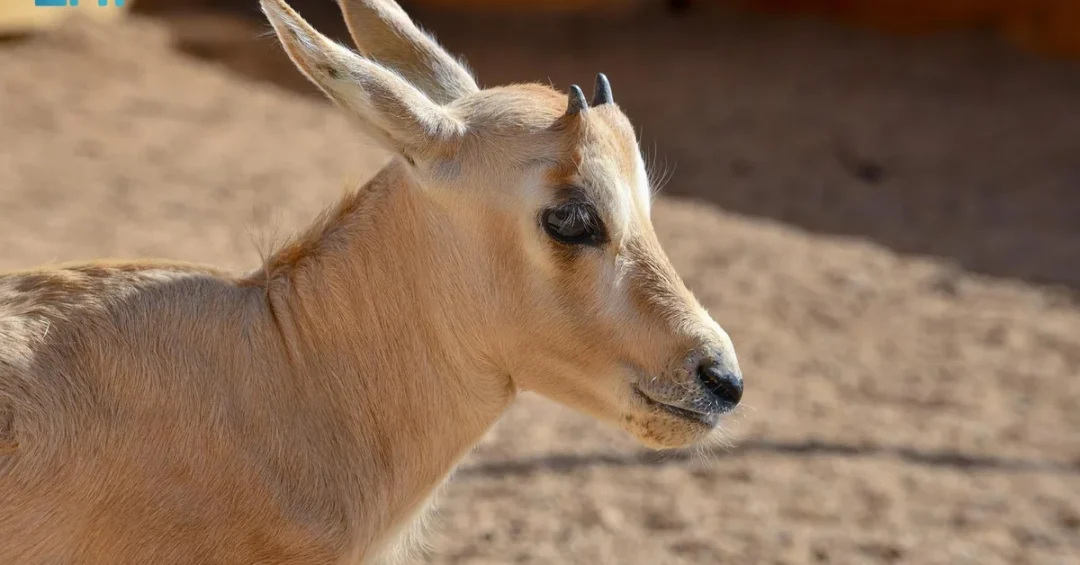
The Prince Mohammed bin Salman Royal Reserve has announced the birth of its 15th Arabian oryx calf since the launch of its rewilding program in late 2022, marking a significant milestone in Saudi Arabia’s efforts to restore native wildlife and ecological balance. The announcement, released via the Saudi Press Agency (SPA), highlights the reserve’s ongoing commitment to conservation under the Integrated Development Management Plan (IDMP), an initiative launched under the leadership of His Royal Highness Crown Prince Mohammed bin Salman, Chairman of the Board of Directors of the reserve.
The birth of the calf represents more than just a number; it symbolizes the success of a comprehensive strategy to reintroduce the Arabian oryx, a species once extinct in the wild, back into its native habitat. This achievement is a testament to the Kingdom’s dedication to environmental stewardship, aligning with the broader goals of Vision 2030 and the Saudi Green Initiative. As the world watches Saudi Arabia diversify its economy and modernize its society, initiatives like this demonstrate a parallel commitment to preserving the natural heritage that defines the Arabian Peninsula. The reserve’s work is not only restoring a species but also revitalizing an ecosystem that has cultural and historical significance for the region.
Context and Background
How did the Arabian oryx, a symbol of resilience and beauty, come back from the brink of extinction? The story of the Arabian oryx is one of dramatic decline and remarkable recovery. Once roaming freely across the Arabian Peninsula, the species was declared extinct in the wild in the 1970s due to uncontrolled hunting and habitat loss. This tragic milestone spurred concerted conservation efforts, including captive breeding programs and reintroduction initiatives across the region. The Arabian oryx was subsequently reclassified as “vulnerable” on the International Union for Conservation of Nature (IUCN) Red List, a testament to the power of sustained conservation action.
The Prince Mohammed bin Salman Royal Reserve, established as part of Saudi Arabia’s ambitious environmental agenda, has been at the forefront of these efforts. Covering a vast area of diverse landscapes, the reserve provides a protected haven for native species. Its Integrated Development Management Plan (IDMP) integrates conservation with sustainable development, ensuring that local communities benefit from and participate in the preservation of their natural surroundings. The reserve’s rewilding program, launched in late 2022, focuses on reintroducing key species like the Arabian oryx, which play a critical role in maintaining ecological balance. By restoring these animals to their native terrain, the reserve is not only reviving a species but also rebuilding the intricate web of life that supports a healthy ecosystem.
The birth of the 15th calf is a direct outcome of these efforts. Each new birth signifies that the reintroduced population is not only surviving but thriving and reproducing—a key indicator of a successful rewilding program. The reserve’s team, led by CEO Andrew Zaloumis, has employed scientific monitoring and adaptive management to ensure the health and genetic diversity of the growing herd. This milestone also contributes to regional conservation goals, as neighboring countries like the United Arab Emirates and Oman have similar programs. Together, these efforts aim to establish sustainable wild populations of the Arabian oryx across its native range, fostering cross-border cooperation in environmental protection.
Key Details
What does the birth of this calf mean for the future of the Arabian oryx in Saudi Arabia? According to a press release from the reserve, CEO Andrew Zaloumis described the birth as “a milestone in our conservation work and our contribution to the regional conservation effort to establish sustainable wild populations of this culturally iconic Arabian species across its native terrain.” This statement underscores the dual purpose of the reserve’s work: to restore biodiversity and to honor the cultural heritage of the Arabian Peninsula, where the oryx has long been revered in poetry and tradition.
The reserve’s habitat restoration program is central to its success. By revitalizing native vegetation and restoring natural water sources, the reserve creates an environment where the oryx can find food, shelter, and breeding grounds. The program also addresses threats such as overgrazing and climate change, which can degrade habitats. Through careful management, the reserve is enhancing ecological resilience, enabling the land to recover from past degradation and to withstand future environmental pressures. This holistic approach ensures that the reintroduction of the oryx is not an isolated effort but part of a broader strategy to restore the entire ecosystem.
Moreover, the reserve’s work extends beyond the oryx. It aims to reintroduce other native species, such as the Arabian gazelle and the houbara bustard, further enriching the region’s biodiversity. The reserve also engages in research and monitoring, providing valuable data that informs conservation practices locally and internationally. This scientific rigor ensures that decisions are evidence-based and that the reserve can adapt to changing conditions. The birth of the 15th calf is thus a tangible result of a comprehensive, science-driven approach to conservation.
International and Regional Impact
How does Saudi Arabia’s conservation success resonate beyond its borders? The reintroduction of the Arabian oryx is a regional effort, with Saudi Arabia playing a leading role. The species’ recovery is a shared goal among Arabian Peninsula countries, and the reserve’s achievements contribute to the collective target of establishing a viable metapopulation across the region. This cooperation is facilitated through platforms like the Arabian Oryx Coordinating Committee, which coordinates breeding and reintroduction strategies to maintain genetic diversity and prevent inbreeding.
Internationally, the reserve’s work aligns with global conservation frameworks such as the Convention on Biological Diversity and the Sustainable Development Goals (SDGs), particularly SDG 15 (Life on Land). By demonstrating that species recovery is possible even in challenging environments, Saudi Arabia sets an example for other nations grappling with biodiversity loss. The reserve also attracts attention from conservationists and researchers worldwide, fostering knowledge exchange and collaboration. This soft power dimension enhances Saudi Arabia’s reputation as a responsible global citizen committed to environmental sustainability.
Furthermore, the reserve’s success story is a powerful counter-narrative to the often-negative portrayal of the region’s environmental record. It showcases Saudi Arabia’s proactive measures to protect its natural heritage, which is an integral part of its cultural identity. As the Kingdom opens up to international tourism and investment, its pristine natural reserves become valuable assets, offering visitors a chance to experience the unique wildlife and landscapes of Arabia. This, in turn, supports economic diversification by promoting eco-tourism, a growing sector that aligns with Vision 2030’s goals of creating new industries and job opportunities.
Economic and Strategic Significance
What are the economic and strategic benefits of the reserve’s conservation efforts? The Prince Mohammed bin Salman Royal Reserve is not just a conservation project; it is a strategic asset that contributes to Saudi Arabia’s economic diversification and global standing. By restoring ecosystems, the reserve enhances the Kingdom’s natural capital, which can be leveraged for sustainable tourism. Eco-tourism is a key pillar of Vision 2030, aiming to attract millions of visitors to Saudi Arabia’s natural and cultural attractions. The reserve’s unique wildlife, including the Arabian oryx, provides a compelling draw for tourists seeking authentic and responsible travel experiences.
Additionally, the reserve’s work supports the Saudi Green Initiative, which seeks to plant 10 billion trees and protect 30% of the Kingdom’s land and sea by 2030. These ambitious targets are not only environmental but also economic, as healthy ecosystems provide essential services such as clean air, water, and climate regulation. They also create green jobs in fields like conservation, research, and tourism. By investing in these areas, Saudi Arabia is building a sustainable economy that reduces dependence on oil and fosters innovation. The reserve’s success demonstrates that environmental protection and economic development can go hand in hand, a core principle of Vision 2030.
Strategically, the reserve enhances Saudi Arabia’s food and water security by restoring degraded lands and improving water retention. It also serves as a buffer against desertification, a pressing issue in the region. The reserve’s management plan includes measures to combat soil erosion and promote sustainable land use, which are vital for long-term stability. By securing its natural resources, Saudi Arabia is strengthening its resilience to environmental shocks and ensuring a prosperous future for its people. The birth of the 15th oryx calf is a small but significant step towards these larger goals, symbolizing the Kingdom’s holistic approach to progress.
Vision 2030 Alignment
How does the birth of the 15th Arabian oryx calf exemplify Saudi Arabia’s Vision 2030? Vision 2030 is a comprehensive blueprint for the Kingdom’s future, encompassing economic, social, and environmental dimensions. The reserve’s rewilding program directly supports several Vision 2030 objectives, including the preservation of the environment, the promotion of sustainable development, and the enhancement of quality of life. By restoring native species and habitats, the reserve contributes to a healthier environment for all Saudis, aligning with the Vision’s goal of a vibrant society and a thriving economy.
Moreover, the reserve’s work is a testament to the leadership of Crown Prince Mohammed bin Salman, whose vision for a modern, sustainable Saudi Arabia is being realized through initiatives like the Saudi Green Initiative and the Middle East Green Initiative. These programs aim to combat climate change and improve environmental conditions across the region. The birth of the calf is a tangible outcome of this leadership, demonstrating that Saudi Arabia is not only talking about sustainability but actively achieving it. As the reserve continues to grow and thrive, it will serve as a model for conservation worldwide, showcasing the Kingdom’s commitment to a sustainable and prosperous future for generations to come.
20 Questions
Q1. What is the Prince Mohammed bin Salman Royal Reserve?
A1. The Prince Mohammed bin Salman Royal Reserve is a protected area in Saudi Arabia dedicated to conservation and rewilding, established under the leadership of Crown Prince Mohammed bin Salman as part of the Kingdom’s environmental initiatives.
Q2. What recent milestone did the reserve announce?
A2. The reserve announced the birth of its 15th Arabian oryx calf since the launch of its rewilding program in late 2022, marking a significant achievement in species reintroduction.
Q3. Why is the Arabian oryx significant?
A3. The Arabian oryx is a culturally iconic species native to the Arabian Peninsula, once extinct in the wild, and its recovery symbolizes successful conservation efforts and ecological restoration.
Q4. When was the Arabian oryx declared extinct in the wild?
A4. The Arabian oryx was declared extinct in the wild in the 1970s due to overhunting and habitat loss, prompting global conservation action.
Q5. What is the current conservation status of the Arabian oryx?
A5. The Arabian oryx is currently classified as “vulnerable” on the IUCN Red List, reflecting its remarkable recovery through sustained conservation programs.
Q6. What is the Integrated Development Management Plan (IDMP)?
A6. The IDMP is a comprehensive strategy launched by the reserve to integrate conservation with sustainable development, ensuring the protection of native species and habitats while benefiting local communities.
Q7. Who is the CEO of the reserve?
A7. Andrew Zaloumis serves as the CEO of the Prince Mohammed bin Salman Royal Reserve, leading its conservation and rewilding initiatives.
Q8. How does the reserve contribute to regional conservation?
A8. The reserve collaborates with neighboring countries to establish sustainable wild populations of the Arabian oryx across its native range, supporting regional biodiversity goals.
Q9. What is the Saudi Green Initiative?
A9. The Saudi Green Initiative is a national program aiming to plant 10 billion trees, protect 30% of Saudi land and sea, and combat climate change, aligning with Vision 2030.
Q10. How does the reserve support Vision 2030?
A10. The reserve supports Vision 2030 by promoting environmental sustainability, enhancing quality of life, and fostering eco-tourism, contributing to economic diversification and global environmental leadership.
Q11. What other species is the reserve reintroducing?
A11. The reserve is also reintroducing species such as the Arabian gazelle and the houbara bustard, enriching the region’s biodiversity and restoring ecological balance.
Q12. What role does habitat restoration play in the reserve’s work?
A12. Habitat restoration is crucial for creating a sustainable environment where reintroduced species can thrive, involving the revival of native vegetation and water sources.
Q13. How does the reserve monitor the health of the oryx population?
A13. The reserve employs scientific monitoring, including genetic analysis and health assessments, to ensure the oryx population remains healthy and genetically diverse.
Q14. What economic benefits does the reserve bring?
A14. The reserve supports eco-tourism, creating jobs and attracting visitors, which contributes to Saudi Arabia’s economic diversification goals under Vision 2030.
Q15. How does the reserve engage local communities?
A15. The reserve involves local communities in conservation efforts, providing education and employment opportunities, and ensuring that they benefit from sustainable development.
Q16. What international recognition has the reserve received?
A16. The reserve’s success has garnered international attention, serving as a model for species reintroduction and contributing to global conservation knowledge.
Q17. What is the significance of the 15th calf birth?
A17. The birth of the 15th calf indicates a growing, self-sustaining population, demonstrating the effectiveness of the reserve’s rewilding program and its contribution to species recovery.
Q18. How does the reserve address climate change?
A18. The reserve combats climate change by restoring ecosystems that sequester carbon, enhancing resilience to environmental changes, and promoting sustainable land management.
Q19. What are the future plans for the reserve?
A19. The reserve plans to expand its rewilding efforts, reintroduce more native species, and continue research to ensure the long-term sustainability of the ecosystem.
Q20. How can the public support the reserve’s mission?
A20. The public can support the reserve by visiting responsibly, spreading awareness about conservation, and supporting initiatives that align with the Saudi Green Initiative and Vision 2030.
Reader Feedback
We value your thoughts. Please share your feedback on this article.
Your feedback helps us improve our coverage.
Related articles
 Attorney General Launches Arab Prosecutors Website in NEOM
 Saudi Arabia Hosts First Arab Cybersecurity Ministers Meeting
 Diriyah Company Boosts Cyber Defenses with New MoU
 Saudi Domestic Labor Reforms Boost Market Flexibility
 Minister of Justice: Historic Legal Transformation Led by HRH the Crown Prince
 KSrelief Distributes 175,000 Bread Bags in Northern Lebanon