


The Prince Mohammed bin Salman Royal Reserve covers 24,500 square kilometers and is preparing the environmental conditions for the return of the Asian lion (Panthera leo leo). This species is one of 23 that had a historical presence in the region.
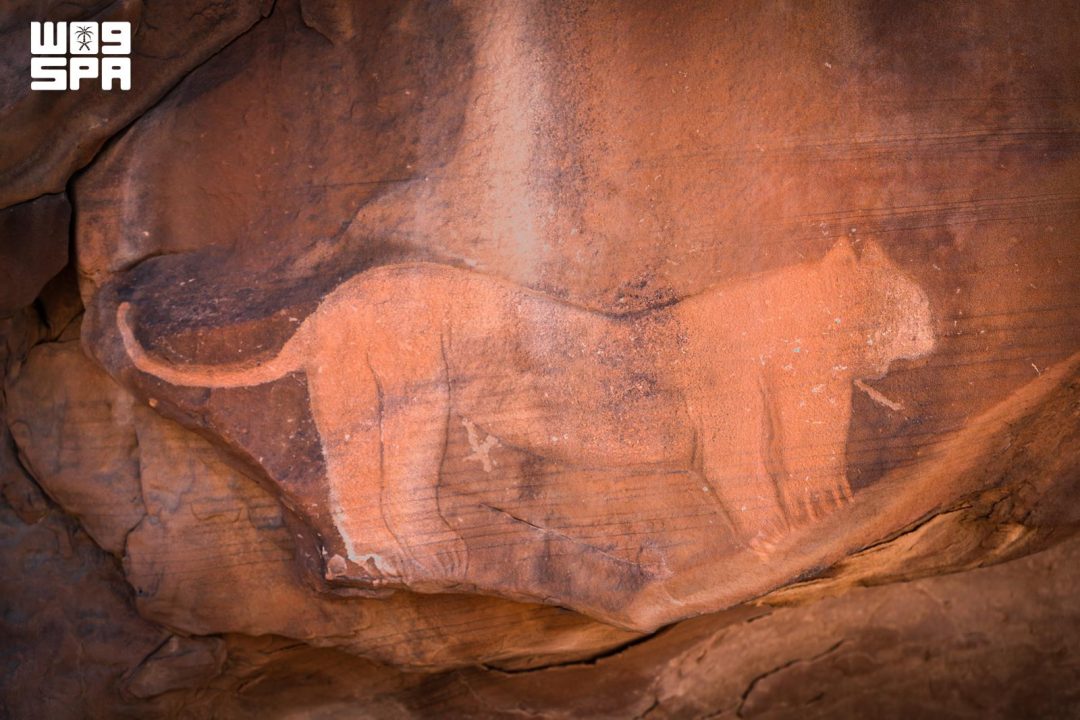
According to SPA, rock art within the reserve features lion depictions in more than 12 locations, confirming the historical presence of the species in the Arabian Peninsula. The reserve aims to provide the necessary environment for the predator by restoring ecosystems and creating a sustainable food web.
The Asian lion is classified as endangered by the International Union for Conservation of Nature (IUCN), with wild populations estimated between 1,100 and 1,300 animals. As part of an initiative to return wildlife to the Arabian Peninsula, 23 historical species have been targeted; 14 species have been successfully reintroduced and six have been bred within the reserve.
These efforts focus on restoring biodiversity and combating land degradation and desertification to achieve the goals of the Saudi Green Initiative and Saudi Vision 2030.
What evidence exists for the historical presence of lions in the reserve? The historical presence of the Asian lion in the Arabian Peninsula is documented through rock art. Within the Prince Mohammed bin Salman Royal Reserve, lion depictions have been recorded in more than 12 different locations, supporting the effort to reintroduce the species to its former habitat.
What is the current status of the Asian lion population? The Asian lion is classified as an endangered species by the International Union for Conservation of Nature (IUCN). Current estimates indicate that the population of these animals remaining in the wild is between 1,100 and 1,300 individuals.
How many species are part of the wildlife reintroduction initiative? The initiative targets the reintroduction of 23 historical species to the Arabian Peninsula. To date, 14 of these species have been successfully reintroduced, while an additional six species have been bred within the reserve.