


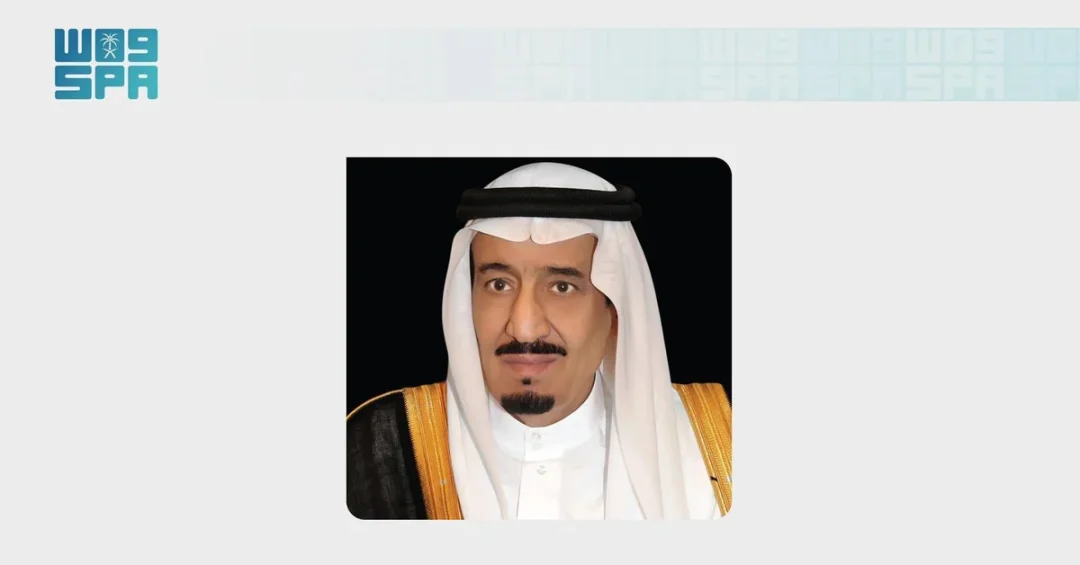
Princess Fahda bint Falah Al Hathleen, spouse of the Custodian of the Two Holy Mosques King Salman bin Abdulaziz Al Saud, honored the female winners of the 46th King Abdulaziz International Competition for Memorizing, Reciting, and Interpreting the Holy Quran during a dedicated closing ceremony for the women’s section in Makkah on Wednesday evening. The ceremony, organized by the Ministry of Islamic Affairs, Dawah and Guidance, marked a historic milestone in the competition’s nearly five-decade history, as it featured international female participation and a standalone closing ceremony for female contestants for the very first time.
The event was held under the patronage of Custodian of the Two Holy Mosques King Salman bin Abdulaziz Al Saud, underscoring the Kingdom’s enduring commitment to the Holy Quran, its memorization, and its teachings. The ceremony opened with a recitation of verses from the holy Quran, setting a solemn and spiritual tone for an evening that celebrated both religious devotion and the growing international reach of one of the Islamic world’s most prestigious Quranic competitions. The presence of Princess Fahda bint Falah Al Hathleen at the ceremony reflected the high regard in which the Kingdom holds those who devote themselves to the memorization and recitation of the Holy Quran.
Context and Background
How did a competition that began decades ago evolve into a global platform that now welcomes female contestants from around the world? The King Abdulaziz International Competition for Memorizing, Reciting, and Interpreting the Holy Quran has long been regarded as one of the most authoritative and respected Quranic contests in the Islamic world. Named after the founder of the modern Saudi state, King Abdulaziz Al Saud, the competition has drawn thousands of participants from across the globe over its 46 editions, reflecting the Kingdom’s central role in preserving and promoting the Holy Quran.
Organized annually by the Ministry of Islamic Affairs, Dawah and Guidance, the competition serves as a vital instrument of the Kingdom’s religious diplomacy and soft power. It brings together memorizers of the Quran from diverse nations, fostering unity among Muslims and reinforcing the bonds of faith that transcend geography and language. The 46th edition, however, represents a particularly significant chapter, as it introduces international female participation and a dedicated closing ceremony for female contestants for the first time, a development that reflects the Kingdom’s broader efforts to empower women across all spheres of life.
The Ministry of Islamic Affairs, Dawah and Guidance, led by Minister Sheikh Dr. Abdullatif Al Alsheikh, has been instrumental in expanding the competition’s scope and ensuring that its organizational standards remain exemplary. Under the minister’s guidance, the competition has continued to innovate while remaining firmly rooted in the timeless values of the Holy Quran. The decision to hold a separate closing ceremony for female contestants is a clear indication of the Ministry’s commitment to inclusivity and its recognition of the growing role of women in religious scholarship and Quranic studies.
Key Details
What did the Minister of Islamic Affairs, Dawah and Guidance say about the significance of this year’s edition? In a recorded address delivered during the ceremony, Sheikh Dr. Abdullatif Al Alsheikh stated: “The 46th edition marks a new chapter in the competition’s history, featuring international female participation and a dedicated closing ceremony for female contestants for the first time, amid the generous support and patronage the competition receives from the wise leadership.” His remarks underscored the Kingdom’s unwavering support for Quranic initiatives and the leadership’s dedication to fostering a culture of faith, knowledge, and excellence.
The minister congratulated the contestants on their participation, emphasizing that the true honor of those who memorize the Quran lies in reflecting its teachings in their knowledge, conduct, morals, and behavior, and in serving as exemplary memorizers of the Quran and ambassadors of goodness for their countries. His words carried a profound message: that memorization alone is not the ultimate goal, but rather the embodiment of Quranic values in everyday life. This philosophy aligns closely with the Kingdom’s Vision 2030, which seeks to cultivate a society grounded in Islamic principles, moderation, and moral excellence.
The ceremony itself was a dignified and spiritually uplifting event, beginning with a recitation of verses from the holy Quran that resonated with the audience and set the stage for the honoring of the winners. The female contestants, who had advanced through rigorous rounds of competition, were recognized for their exceptional dedication, discipline, and mastery of the Quran. Their achievements serve as an inspiration to women and girls across the Islamic world, demonstrating that devotion to religious learning knows no gender boundaries and that the Kingdom is committed to providing equal opportunities for spiritual and intellectual growth.
International and Regional Impact
How does the inclusion of international female participants reshape the global perception of Saudi Arabia’s religious leadership? The 46th edition of the competition sends a powerful message to the international community: that the Kingdom of Saudi Arabia is not only the custodian of Islam’s holiest sites but also a champion of inclusive religious scholarship. By welcoming female contestants from various countries and honoring them in a dedicated ceremony, the Kingdom reinforces its position as a beacon of moderation, tolerance, and empowerment within the Islamic world.
Regionally, the competition strengthens ties among Muslim-majority nations, as participants return to their home countries carrying not only the honor of having competed in Makkah but also a deeper connection to the Kingdom’s religious institutions. These contestants often become ambassadors of goodwill, promoting the values of the Quran and the message of peace that Saudi Arabia has consistently advocated. The presence of international female winners at the ceremony further amplifies this message, showcasing the Kingdom’s commitment to recognizing and celebrating the contributions of women in the religious sphere.
The event also highlights the Kingdom’s broader diplomatic efforts to foster unity and cooperation among Islamic nations. By hosting a competition of this magnitude, Saudi Arabia demonstrates its capacity to bring together diverse cultures and traditions under a shared spiritual umbrella. This aligns with the Kingdom’s longstanding policy of promoting dialogue, understanding, and mutual respect, both within the Islamic world and beyond.
Economic and Strategic Significance
What strategic value does a religious competition of this scale hold for Saudi Arabia’s global standing? While the King Abdulaziz International Competition is primarily a spiritual and cultural event, it carries significant strategic implications. It reinforces the Kingdom’s soft power, enhancing its influence and prestige on the global stage. The competition also stimulates economic activity in Makkah and surrounding regions, as participants, their families, and accompanying delegations travel to the Kingdom, contributing to the local hospitality, retail, and transportation sectors.
Moreover, the event supports the Kingdom’s broader economic diversification goals under Vision 2030 by promoting religious tourism and showcasing Saudi Arabia’s ability to host world-class international events. The Ministry of Islamic Affairs, Dawah and Guidance works in close coordination with other government entities to ensure that the competition is organized efficiently and that visitors receive the highest standards of hospitality. This integrated approach reflects the Kingdom’s commitment to excellence and its determination to leverage its unique spiritual assets for the benefit of the nation and the global Muslim community.
Strategically, the competition also serves as a platform for the Kingdom to articulate its vision of moderate Islam, countering extremism and promoting a balanced understanding of the faith. By honoring female memorizers and emphasizing the application of Quranic teachings in daily life, the Kingdom signals its commitment to a forward-looking, inclusive, and peaceful interpretation of Islam, one that resonates with the aspirations of Muslims worldwide.
Vision 2030 Alignment
How does honoring female Quranic scholars align with Saudi Arabia’s Vision 2030 and its goals for women’s empowerment? The recognition of female winners at the 46th King Abdulaziz International Competition is a vivid illustration of Vision 2030’s commitment to empowering women and enabling their full participation in all aspects of society. Vision 2030, launched by Crown Prince Mohammed bin Salman, seeks to increase women’s participation in the workforce, education, and public life, while preserving the Kingdom’s cultural and religious heritage. The competition’s new format, which includes a dedicated women’s section, embodies this dual commitment to tradition and progress.
By honoring female memorizers of the Quran, the Kingdom sends a clear message that women are integral to the preservation and dissemination of Islamic knowledge. This aligns with the Vision’s objective of fostering a society that values diversity, inclusiveness, and equal opportunity. The female winners serve as role models for young women across the Kingdom and beyond, inspiring them to pursue excellence in religious studies and to contribute meaningfully to their communities.
Furthermore, the competition’s emphasis on interpreting the Holy Quran reflects Vision 2030’s focus on knowledge, innovation, and critical thinking. By encouraging participants to engage deeply with the Quran’s meanings, the competition promotes a culture of learning and intellectual engagement that is essential for the Kingdom’s future. As Saudi Arabia continues its journey of transformation, events like the 46th King Abdulaziz International Competition demonstrate how the Kingdom’s rich religious heritage can serve as a foundation for a prosperous, inclusive, and forward-looking society.
20 Questions
Q1. What was the significance of the 46th King Abdulaziz International Quran Competition’s closing ceremony for women?
A1. It marked the first time the competition held a dedicated closing ceremony for female contestants, reflecting the Kingdom’s commitment to inclusivity and women’s empowerment in religious scholarship.
Q2. Who honored the female winners of the competition?
A2. Princess Fahda bint Falah Al Hathleen, spouse of the Custodian of the Two Holy Mosques King Salman bin Abdulaziz Al Saud, honored the winners during the ceremony in Makkah.
Q3. Under whose patronage was the ceremony held?
A3. The ceremony was held under the patronage of Custodian of the Two Holy Mosques King Salman bin Abdulaziz Al Saud, demonstrating the leadership’s support for Quranic initiatives.
Q4. Which ministry organized the competition?
A4. The Ministry of Islamic Affairs, Dawah and Guidance organized the competition, led by Minister Sheikh Dr. Abdullatif Al Alsheikh.
Q5. What did the Minister of Islamic Affairs say about the 46th edition?
A5. He said it marks a new chapter with international female participation and a dedicated closing ceremony for female contestants for the first time, amid generous leadership support.
Q6. How did the ceremony open?
A6. The ceremony opened with a recitation of verses from the holy Quran, setting a spiritual and solemn tone for the event.
Q7. What did the minister emphasize about the true honor of memorizing the Quran?
A7. He emphasized that true honor lies in reflecting its teachings in knowledge, conduct, morals, and behavior, and in serving as ambassadors of goodness.
Q8. Where was the ceremony held?
A8. The ceremony was held in Makkah, the holiest city in Islam, on Wednesday evening.
Q9. How many editions of the competition have been held?
A9. The 46th edition was held, continuing a decades-long tradition of Quranic competitions organized by the Kingdom.
Q10. What does the competition aim to achieve?
A10. It aims to encourage memorization, recitation, and interpretation of the Holy Quran, fostering unity among Muslims and promoting moderate Islam.
Q11. How does this competition align with Vision 2030?
A11. It supports women’s empowerment, religious tourism, and the promotion of moderate Islam, all of which are key pillars of Vision 2030.
Q12. What message does the inclusion of female contestants send?
A12. It sends a message of inclusivity, demonstrating that the Kingdom values women’s contributions to religious scholarship and provides equal opportunities for spiritual growth.
Q13. How does the competition impact the international community?
A13. It strengthens ties among Muslim nations, promotes Saudi Arabia’s soft power, and showcases the Kingdom’s leadership in preserving Islamic heritage.
Q14. What role does the Ministry of Islamic Affairs play in the competition?
A14. The Ministry organizes the competition, ensures high standards, and coordinates with other entities to provide excellent hospitality to participants.
Q15. How does the competition contribute to the Saudi economy?
A15. It stimulates economic activity in Makkah through increased travel, hospitality, and retail spending by participants and their delegations.
Q16. What is the significance of honoring female Quranic scholars?
A16. It highlights women’s vital role in preserving Islamic knowledge and serves as an inspiration for young women to pursue religious studies.
Q17. How does the competition promote moderate Islam?
A17. By emphasizing the application of Quranic teachings in daily life and encouraging balanced interpretation, it counters extremism and fosters peace.
Q18. What did the minister say about the contestants’ role as ambassadors?
A18. He said they serve as exemplary memorizers and ambassadors of goodness for their countries, reflecting the Quran’s teachings in their conduct.
Q19. How does the competition reflect Saudi Arabia’s religious diplomacy?
A19. It brings together Muslims from around the world, reinforcing the Kingdom’s role as a unifying force and custodian of Islam’s holiest sites.
Q20. What does the future hold for the competition?
A20. With growing international participation and support, the competition is expected to expand its reach and continue empowering women in Quranic scholarship.
Reader Feedback
We value your thoughts. Please share your feedback on this article.
Your feedback helps us improve our coverage.