


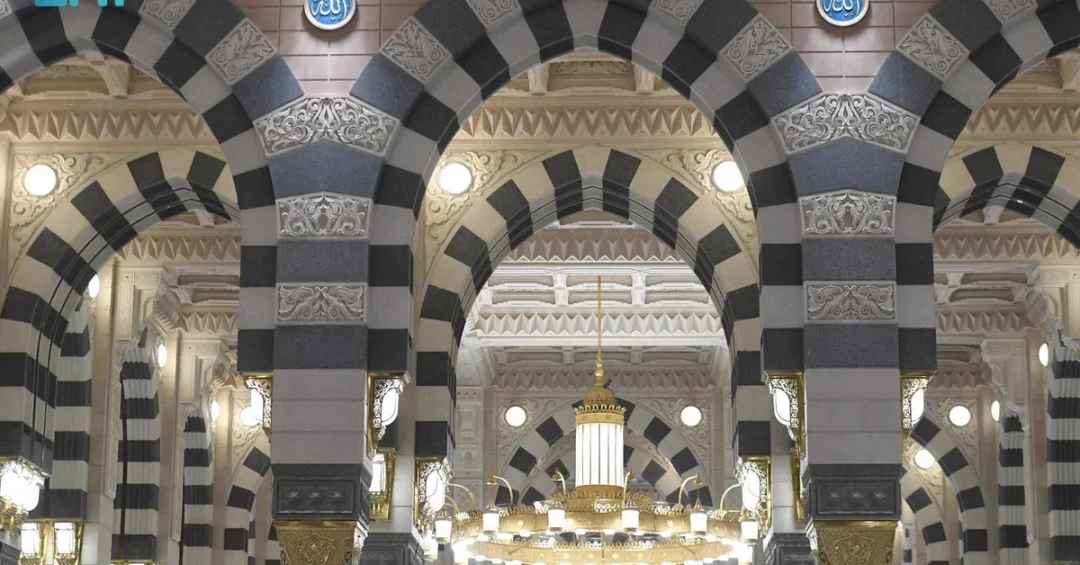
The General Presidency for the Affairs of the Two Holy Mosques has completed the replacement of 133,459 LED lighting units across the Prophet’s Mosque in Madinah and its affiliated facilities, in a landmark infrastructure upgrade that meets the highest international standards. The announcement, released through official Saudi channels, confirms that the ambitious project has standardized lighting colors throughout the sacred site, eliminating previous inconsistencies in the illumination of the minarets, domes, and roof. The initiative reflects the Kingdom’s unwavering commitment to preserving the spiritual and architectural integrity of Islam’s holiest sites while embracing modern technology and sustainability. For the millions of worshippers and visitors who travel to Madinah each year, the transformation promises a more serene, comfortable, and visually harmonious experience — one that honors the sanctity of the Prophet’s Mosque while elevating its function as a global destination for pilgrimage and prayer.
The scale of the undertaking is remarkable by any measure. Replacing more than 133,000 individual lighting units requires meticulous planning, specialized labor, and a deep understanding of the mosque’s unique architectural and spiritual character. The project was executed under the direct oversight of the General Presidency for the Affairs of the Two Holy Mosques, the government body responsible for the care, maintenance, and continuous improvement of the Grand Mosque in Makkah and the Prophet’s Mosque in Madinah. By completing this replacement, the authority has reinforced its reputation for operational excellence and its capacity to manage one of the most visited religious sites on earth. The upgrade is not merely cosmetic; it represents a strategic investment in the experience of every person who steps foot inside the mosque’s sacred precincts.
Context and Background
Why does the lighting of the Prophet’s Mosque matter so profoundly to the global Muslim community? The Prophet’s Mosque, known in Arabic as Al-Masjid an-Nabawi, is the second holiest site in Islam and a place of immense spiritual significance. It receives millions of worshippers annually, particularly during the Hajj and Umrah seasons, as well as throughout the year for regular prayers and visits to the Prophet Muhammad’s tomb. The mosque’s architecture is a masterpiece of Islamic design, featuring iconic green domes, towering minarets, and expansive prayer halls that accommodate vast congregations. For decades, the site has undergone continuous expansion and modernization to meet the growing number of visitors, and lighting has always been a critical component of that effort — not only for practical visibility but also for creating an atmosphere conducive to worship, reflection, and tranquility.
The previous lighting system, while functional, had developed inconsistencies over time. Different sections of the mosque and its facilities featured varying color temperatures and intensities, which detracted from the visual coherence of the structure. Some areas appeared warmer, others cooler, and the overall effect could feel disjointed, especially at night when the mosque is illuminated against the Madinah skyline. The General Presidency recognized that a unified lighting scheme would enhance the mosque’s aesthetic appeal, reinforce its architectural identity, and contribute to a more peaceful environment for worshippers. The decision to replace over 133,000 units was therefore both a practical necessity and a symbolic act of reverence — a way of ensuring that every detail of the sacred site reflects the highest standards of care and respect.
This project also aligns with a broader pattern of continuous improvement at the Two Holy Mosques. Under the leadership of the Saudi government, the sites have seen unprecedented expansions, technological integrations, and service enhancements. From the introduction of smart cooling systems to the digitization of crowd management, the Kingdom has consistently invested in making the pilgrimage experience safer, more comfortable, and more spiritually fulfilling. The lighting replacement is the latest chapter in that ongoing story, demonstrating that even the most established institutions can embrace innovation without compromising tradition. It is a balance that Saudi Arabia has mastered over decades of managing the holy sites, and it continues to set a global benchmark for religious infrastructure management.
Key Details of the Lighting Upgrade
What exactly does the new lighting system deliver for worshippers and visitors? According to the official announcement, the replacement project introduced a standardized color temperature of 4000K across the mosque and its facilities. This specific temperature is known for producing a calm, reassuring, and natural white light that reduces eye strain and creates a comfortable visual environment. For a site that operates 24 hours a day, with worshippers present at all hours for prayers and reflection, this consistency is vital. The uniform illumination eliminates the patchwork effect that had previously characterized the mosque’s nightscape, allowing the architectural beauty of the minarets, domes, and roof to stand out with clarity and elegance.
The new system also incorporates advanced smart lighting technologies that regulate light distribution, intensity, and color temperature based on specific needs. These systems offer remarkable flexibility and energy efficiency, allowing operators to adjust lighting levels according to the time of day, the density of worshippers, or special occasions. For instance, during peak hours, the lighting can be optimized for maximum visibility and safety, while during quieter periods, it can be dimmed to create a more intimate and contemplative atmosphere. This level of control was not possible with the previous infrastructure, and it represents a significant leap forward in the mosque’s operational capabilities. The smart system also contributes to reducing the attraction of locusts and other insects around the mosque, a practical benefit that enhances cleanliness and comfort for everyone present.
Sustainability is another cornerstone of the project. The new LED lighting solutions are designed to minimize energy consumption without compromising quality or aesthetics. By replacing older, less efficient units with modern LEDs, the General Presidency has reduced the mosque’s carbon footprint and operational costs, aligning with broader environmental standards and the Kingdom’s sustainability goals. This commitment to efficiency is particularly important given the mosque’s size and the fact that it operates continuously. The energy savings achieved through this upgrade will be substantial, and they demonstrate how large-scale religious infrastructure can be modernized in an environmentally responsible manner. The authority has made it clear that it will continue to integrate cutting-edge technology in the Two Holy Mosques to enhance the visitor experience and maintain a spiritually enriching environment.
International and Regional Impact
How does this development resonate beyond the borders of Saudi Arabia? The Prophet’s Mosque is a global spiritual hub, attracting pilgrims from every continent. Improvements to its facilities are therefore felt by the entire Muslim world. When worshippers return to their home countries, they carry with them memories of their experience in Madinah, and the quality of that experience shapes perceptions of Saudi Arabia’s role as the custodian of the holy sites. A more beautiful, comfortable, and well-lit mosque enhances the Kingdom’s standing as a gracious host and a reliable steward of Islam’s most cherished places. This soft power dimension is significant, as it reinforces the deep emotional and spiritual bonds that connect Muslims worldwide to the Two Holy Mosques.
Regionally, the project underscores Saudi Arabia’s leadership in infrastructure and technology within the Middle East. The use of smart lighting systems and energy-efficient LEDs positions the Kingdom at the forefront of sustainable urban development, particularly in the context of religious tourism. Other countries in the region that manage significant religious or heritage sites may look to this model as a blueprint for their own upgrades. Furthermore, the successful completion of such a large-scale project during a period of intense activity at the mosque — with millions of visitors arriving for Umrah and prayers — demonstrates Saudi Arabia’s logistical prowess and its ability to execute complex operations without disrupting essential services. This capability is a key component of the Kingdom’s reputation as a can-do nation, capable of delivering on ambitious promises.
Economic and Strategic Significance
What economic and strategic benefits flow from this lighting replacement? At first glance, a lighting upgrade might seem like a narrow technical matter, but its implications are far-reaching. The project supports Saudi Arabia’s Vision 2030 by promoting energy efficiency, reducing operational costs, and enhancing the quality of services provided to pilgrims. As the Kingdom seeks to increase the number of Umrah and Hajj visitors to 30 million annually by 2030, every improvement to the infrastructure of the holy sites contributes to that goal. A better experience for pilgrims leads to higher satisfaction, positive word-of-mouth, and a stronger desire to return — all of which drive economic activity in Madinah and beyond, from hospitality and retail to transportation and logistics.
Strategically, the lighting project reinforces the Kingdom’s commitment to the continuous care of the Two Holy Mosques, a responsibility that is central to its identity and its role in the Islamic world. By investing in advanced technology and sustainable solutions, Saudi Arabia signals that it will spare no effort in serving the guests of God. This commitment is not only a matter of religious duty but also a strategic imperative, as the stability and prosperity of the region are closely tied to the successful management of the pilgrimage. The project also creates opportunities for Saudi companies and engineers to develop expertise in smart lighting and energy management, skills that can be exported and applied to other large-scale infrastructure projects across the Kingdom. In this way, the lighting upgrade contributes to the growth of a knowledge-based economy, one of the core objectives of Vision 2030.
Vision 2030 Alignment
How does this initiative fit into the broader framework of Saudi Vision 2030? The Vision, launched in 2016 by Crown Prince Mohammed bin Salman, aims to transform Saudi Arabia into a diversified, sustainable, and globally engaged economy. Among its key pillars are enhancing the quality of life for citizens and visitors, promoting environmental sustainability, and leveraging technology to improve public services. The lighting replacement at the Prophet’s Mosque checks every one of these boxes. It improves the quality of life for the millions who visit the mosque, reduces energy consumption in line with environmental goals, and showcases the Kingdom’s embrace of smart technologies. It is a concrete example of how Vision 2030 is not just an economic plan but a holistic vision for a better future, one that honors the past while building for tomorrow.
Moreover, the project reflects the Vision’s emphasis on serving pilgrims and enhancing the spiritual experience of the Two Holy Mosques. The General Presidency for the Affairs of the Two Holy Mosques has been at the forefront of this effort, implementing a series of upgrades that range from crowd management systems to accessibility improvements. The lighting replacement is another milestone in that journey, and it will not be the last. As Saudi Arabia continues to welcome the world to its sacred sites, it will do so with infrastructure that is second to none, ensuring that every visitor feels the warmth, serenity, and majesty of the Prophet’s Mosque. In the years ahead, the Kingdom’s long-term vision and its global role as the heart of the Islamic world will only grow stronger, illuminated by the quiet brilliance of 133,459 new lights.
20 Questions
Q1. What did the General Presidency for the Affairs of the Two Holy Mosques accomplish in the Prophet’s Mosque?
A1. It completed the replacement of 133,459 LED lighting units across the Prophet’s Mosque and its facilities, ensuring compliance with top international standards and standardizing lighting colors throughout the sacred site.
Q2. Why was the lighting replacement necessary?
A2. The previous system had inconsistent lighting colors and intensities across different sections, which detracted from the mosque’s visual coherence. The upgrade eliminates these inconsistencies and enhances the architectural beauty of the minarets, domes, and roof.
Q3. What is the color temperature of the new lighting system?
A3. The new system uses a color temperature of 4000K, which creates a calm and reassuring atmosphere, providing a comfortable and safe environment for worshippers and visitors throughout the day and night.
Q4. How does the new lighting system benefit worshippers?
A4. It provides consistent, comfortable illumination that reduces eye strain and creates a serene environment for prayer and reflection. The uniform lighting also improves safety and visibility across the mosque’s vast prayer halls and outdoor areas.
Q5. What smart technologies were incorporated into the new lighting system?
A5. The system includes advanced smart lighting controls that regulate light distribution, intensity, and color temperature based on specific needs, offering flexibility, energy efficiency, and the ability to adapt to different times and crowd levels.
Q6. Does the new lighting help with pest control?
A6. Yes, the system contributes to reducing the attraction of locusts and other insects around the mosque, which enhances cleanliness and comfort for worshippers and visitors, especially during evening hours.
Q7. How does the project support sustainability?
A7. The LED lighting solutions minimize energy consumption without compromising quality or aesthetics, aligning with environmental standards and reducing the mosque’s carbon footprint and operational costs.
Q8. How many lighting units were replaced in total?
A8. A total of 133,459 LED lighting units were replaced across the Prophet’s Mosque and its affiliated facilities, representing one of the largest lighting upgrades ever undertaken at a religious site.
Q9. Who oversaw the lighting replacement project?
A9. The project was executed under the direct oversight of the General Presidency for the Affairs of the Two Holy Mosques, the government body responsible for the care and maintenance of the Grand Mosque and the Prophet’s Mosque.
Q10. What is the significance of the Prophet’s Mosque in Islam?
A10. The Prophet’s Mosque is the second holiest site in Islam, attracting millions of worshippers annually for prayers, Hajj, Umrah, and visits to the Prophet Muhammad’s tomb. It holds immense spiritual significance for Muslims worldwide.
Q11. How does this project reflect Saudi Arabia’s commitment to the holy sites?
A11. It demonstrates the Kingdom’s unwavering dedication to preserving and enhancing the Two Holy Mosques, ensuring that every detail reflects the highest standards of care, respect, and service to pilgrims and visitors.
Q12. What impact will the upgrade have on the mosque’s nightscape?
A12. The standardized lighting accentuates the architectural beauty of the minarets, domes, and roof, creating a visually stunning and harmonious nightscape that enhances the mosque’s iconic presence in Madinah.
Q13. How does the project align with Saudi Vision 2030?
A13. It supports Vision 2030 by promoting energy efficiency, enhancing the quality of life for visitors, leveraging smart technology, and contributing to the goal of welcoming 30 million Umrah and Hajj pilgrims annually by 2030.
Q14. Will the lighting system be adjustable for different occasions?
A14. Yes, the smart system allows operators to adjust light distribution, intensity, and color temperature based on specific needs, such as peak prayer times, special events, or quieter periods of reflection.
Q15. What are the economic benefits of this lighting upgrade?
A15. The project reduces energy consumption and operational costs while improving the pilgrim experience, which can lead to higher satisfaction, increased return visits, and greater economic activity in Madinah’s hospitality and retail sectors.
Q16. How does the upgrade affect the mosque’s visual identity?
A16. By standardizing lighting colors and eliminating previous inconsistencies, the upgrade enhances the mosque’s visual identity, ensuring that its architectural features are presented in the most beautiful and coherent light possible.
Q17. Are there plans for further technological upgrades at the Two Holy Mosques?
A17. The General Presidency has stated that it will continue to integrate cutting-edge technology in the Two Holy Mosques to enhance the visitor experience and maintain a spiritually enriching environment, indicating ongoing improvements.
Q18. How does the project handle the mosque’s 24-hour operation?
A18. The new LED system is designed for continuous operation, providing reliable and efficient lighting at all hours while allowing adjustments to suit different times of day and varying levels of worshipper activity.
Q19. What international standards does the new lighting comply with?
A19. The project ensures compliance with top international standards for lighting quality, energy efficiency, and environmental sustainability, reflecting the Kingdom’s commitment to excellence in all aspects of the holy sites’ management.
Q20. What message does this project send to the global Muslim community?
A20. It sends a message of care, respect, and dedication, showing that Saudi Arabia is continuously investing in the comfort and spiritual experience of pilgrims, and that the Two Holy Mosques are maintained to the highest possible standards.
Reader Feedback
We value your thoughts. Please share your feedback on this article.
Your feedback helps us improve our coverage.
Related articles
 Saudi Arabia Condemns Israeli Violations, Urges Global Action
 Saudi Communities Drive Kingdom’s Green Future
 SDAIA President Inspects E-Gates at Jeddah Airport
 KSrelief Distributes 1,500 Food Baskets in Mali
 KSrelief Distributes 2,000 Food Baskets, Health Kits in Syria
 Saudi Consul General Meets Texas Governor Abbott