


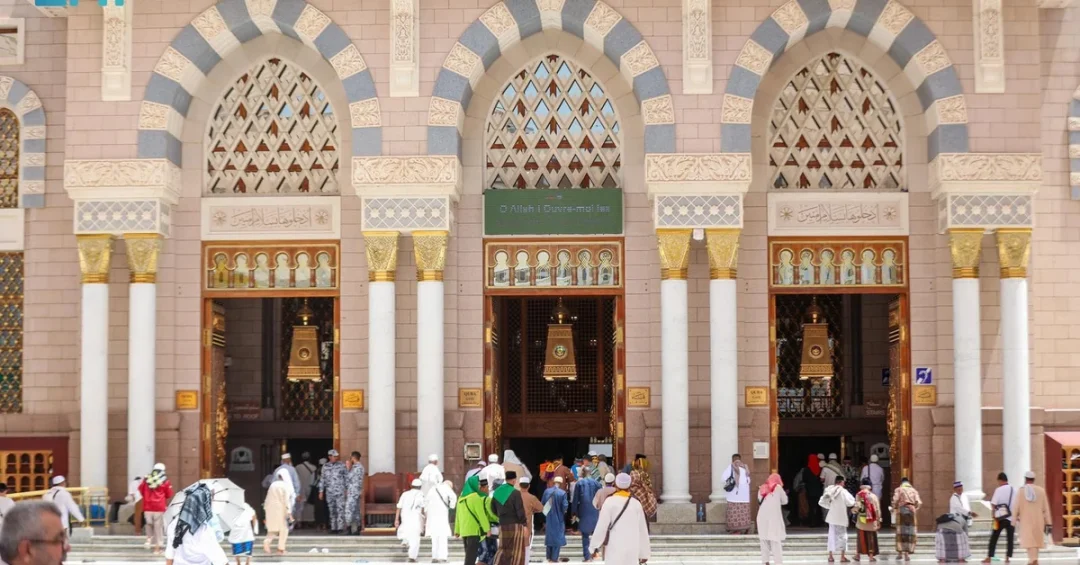
The General Authority for the Affairs of the Prophet’s Mosque in Madinah has implemented a comprehensive crowd management plan well ahead of the Hajj season to ensure the smooth and safe movement of millions of worshippers visiting the mosque throughout the year. The plan, which is executed through close coordination between the authority and security agencies, covers every aspect of crowd flow, from entry and exit points to emergency pathways, reflecting the Kingdom’s commitment to providing the highest level of service to pilgrims and visitors.
Context and Background
The Prophet’s Mosque is one of the holiest sites in Islam, attracting millions of worshippers annually, with particularly high densities during the five daily prayers and at Al-Rawdah Al-Sharifah, the sacred area within the mosque. Managing such vast crowds requires meticulous planning and execution, which is why the General Authority for the Affairs of the Prophet’s Mosque, under the guidance of the Saudi leadership, finalizes its plans well before the Hajj season. This proactive approach is part of Saudi Arabia’s broader efforts to enhance the pilgrimage experience, aligned with the objectives of Vision 2030.
According to the Saudi Press Agency (SPA), the plan is based on determining the capacity of each designated prayer area, implementing mechanisms for crowd management, establishing evacuation plans, and designating emergency pathways. The integration between the authority and various security agencies ensures that all measures are executed seamlessly, providing a safe and organized environment for worshippers.
Key Details
The crowd management plan is executed by a specialized engineering team that devises the working mechanisms and a qualified field team responsible for monitoring the organization of crowd movements within the Prophet’s Mosque and its courtyards. The plan includes monitoring and managing 38 main passages, 14 secondary passages, and eight emergency passages to ensure smooth and safe movement of crowds. These passages are strategically located to facilitate the efficient flow of worshippers, preventing congestion and enabling quick access to prayer areas.
Furthermore, the plan facilitates visits to Al-Rawdah Al-Sharifah through prior reservations via the Nusuk application. This digital solution allows visitors to book their visits in advance, with designated sorting and waiting points to enable them to pray at Al-Rawdah according to the time specified in their permit. The Nusuk platform, developed by the Ministry of Hajj and Umrah, is a key tool in organizing visits and enhancing the overall experience for pilgrims.
Implications and Impact
The successful implementation of this crowd management plan has significant implications for the millions of worshippers who visit the Prophet’s Mosque each year. By ensuring smooth movement and reducing wait times, the plan enhances the spiritual experience of visitors, allowing them to focus on their prayers and reflection. It also demonstrates Saudi Arabia’s capability to manage large-scale events efficiently, reinforcing its reputation as a reliable and hospitable host for pilgrims from around the world.
On a regional level, the plan contributes to the safety and security of one of Islam’s most important sites, which is a priority for the Kingdom. The coordination between the General Authority for the Affairs of the Prophet’s Mosque and security agencies exemplifies the integrated approach that Saudi Arabia takes in serving the guests of God. This model of crowd management can also serve as a benchmark for other major religious and cultural sites globally.
Vision 2030 Alignment
This initiative is closely aligned with Saudi Arabia’s Vision 2030, which aims to enhance the quality of life for citizens and visitors, and to enrich the pilgrimage experience. By leveraging technology and innovative management strategies, the Kingdom is not only improving the services provided at the Prophet’s Mosque but also showcasing its commitment to modernization and efficiency. As part of Vision 2030, Saudi Arabia seeks to welcome an increasing number of pilgrims and provide them with a seamless and spiritually fulfilling journey, further solidifying its role as the heart of the Islamic world.
20 Questions
Q1. What is the purpose of the crowd management plan at the Prophet’s Mosque?
A1. The plan ensures smooth and safe movement of millions of worshippers entering and exiting the mosque, especially during peak times like the five daily prayers and at Al-Rawdah Al-Sharifah.
Q2. Who implements the crowd management plan?
A2. The plan is implemented by the General Authority for the Affairs of the Prophet’s Mosque in coordination with security agencies, using a specialized engineering team and a qualified field team.
Q3. How many main passages are monitored under the plan?
A3. The plan monitors 38 main passages, 14 secondary passages, and eight emergency passages to ensure smooth and safe movement of crowds within the mosque and its courtyards.
Q4. What is the role of the Nusuk application in the plan?
A4. The Nusuk application allows visitors to make prior reservations to visit Al-Rawdah Al-Sharifah, with designated sorting and waiting points to pray according to the time specified in their permit.
Q5. When is the crowd management plan finalized?
A5. The plan is finalized well before the Hajj season to ensure preparedness for the increased number of visitors during that period.
Q6. What factors determine the capacity of prayer areas?
A6. The capacity of each designated prayer area is determined based on space availability, safety standards, and the need to accommodate the expected number of worshippers.
Q7. How does the plan handle emergency situations?
A7. The plan includes evacuation plans and emergency pathways, with eight dedicated emergency passages, to ensure the safety of worshippers in case of any unexpected events.
Q8. What technology is used to manage crowd movement?
A8. The plan leverages digital tools like the Nusuk application for reservations, as well as monitoring systems managed by field teams to organize crowd flow.
Q9. How does the plan benefit worshippers?
A9. It reduces congestion, ensures timely access to prayer areas, and enhances the spiritual experience by allowing worshippers to focus on their prayers without logistical concerns.
Q10. What is Al-Rawdah Al-Sharifah?
A10. Al-Rawdah Al-Sharifah is a sacred area within the Prophet’s Mosque, highly revered by Muslims, and visiting it is a significant part of the pilgrimage experience.
Q11. How does the plan align with Saudi Vision 2030?
A11. The plan supports Vision 2030 by enhancing the pilgrimage experience, improving services, and showcasing Saudi Arabia’s commitment to modernization and efficient management.
Q12. What role do security agencies play in the plan?
A12. Security agencies coordinate with the General Authority to ensure the safety and security of worshippers, managing crowds and responding to any incidents.
Q13. How are the passages monitored?
A13. The passages are monitored by a qualified field team responsible for overseeing the organization of crowd movements and ensuring smooth flow.
Q14. What is the significance of the Prophet’s Mosque?
A14. The Prophet’s Mosque is one of the holiest sites in Islam, attracting millions of worshippers annually, and is a key destination for pilgrims performing Hajj and Umrah.
Q15. How does the plan handle high-density periods?
A15. The plan uses capacity determinations, crowd management mechanisms, and designated passages to manage high densities during the five daily prayers and other peak times.
Q16. What is the Nusuk platform?
A16. Nusuk is a digital platform developed by the Ministry of Hajj and Umrah to facilitate reservations and organize visits to holy sites, enhancing the pilgrim experience.
Q17. How does the plan ensure the safety of elderly and disabled worshippers?
A17. The plan includes designated pathways and waiting points, and field teams are trained to assist elderly and disabled worshippers, ensuring their comfort and safety.
Q18. What is the expected impact of the plan on tourism?
A18. By providing a smooth and safe experience, the plan enhances Saudi Arabia’s reputation as a hospitable destination, potentially increasing the number of visitors for religious tourism.
Q19. How often is the plan reviewed or updated?
A19. The plan is reviewed and updated regularly based on feedback, changing conditions, and advancements in technology to ensure its effectiveness.
Q20. What message does this plan send to the international community?
A20. It demonstrates Saudi Arabia’s dedication to serving pilgrims, its capability in managing large-scale events, and its commitment to Vision 2030 goals of excellence and modernization.
Reader Feedback
We value your thoughts. Please share your feedback on this article.
Your feedback helps us improve our coverage.