


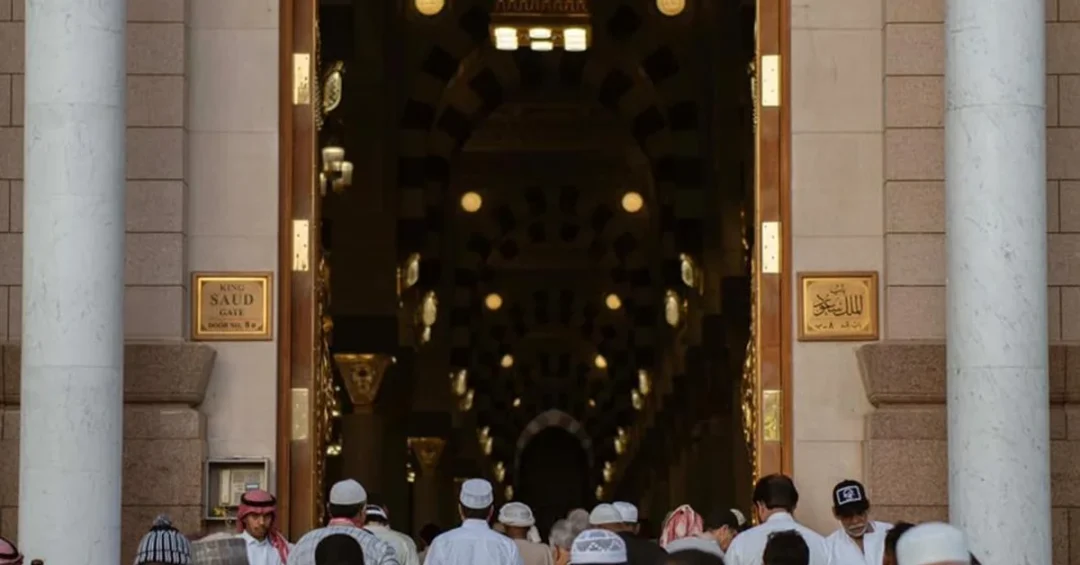
The crowd planning and services department at the Prophet’s Mosque in Madinah is carrying out a comprehensive program to organize prayer areas, designate walkways and movement routes, and keep crowds flowing smoothly, according to information released via official Saudi channels. The effort, reported by the Saudi Press Agency (SPA), reflects a sustained commitment to providing a safe, accessible, and tranquil environment for the millions of worshippers and visitors who gather at one of Islam’s holiest sites each year. Through a combination of careful planning and field operations, the department works to ensure that every visitor can move through the mosque grounds with dignity and ease.
The scale of the undertaking is difficult to overstate. The Prophet’s Mosque receives immense numbers of worshippers daily, with attendance swelling dramatically during peak seasons such as Ramadan and the Hajj period. Managing such volumes requires far more than simple crowd control; it demands an integrated system of spatial planning, route design, and on-the-ground coordination. How can a single site welcome millions of people while preserving the calm and reverence that worship requires? The answer lies in the methodical, detail-oriented work of the specialized department tasked with this responsibility.
Context and Background
The crowd planning and services department operates within a broader framework of services dedicated to the Prophet’s Mosque, one of the most visited religious sites in the world. Its mandate is both practical and deeply respectful of the spiritual purpose of the site: every logistical decision is oriented toward preserving an atmosphere of tranquility and devotion. The department defines the locations and boundaries of prayer areas, mapping out exactly where worshippers may pray and how those spaces connect to one another across the mosque’s corridors and courtyards.
This is not a static task. Attendance patterns shift throughout the day, week, and year, and the physical layout must adapt accordingly. During peak seasons, the department adjusts its operational plans to account for increased density, redistributing worshippers across available space to make the best use of every area within its operational and physical limits. How does an institution prepare for crowds whose size can change dramatically from one hour to the next? Through continuous planning, real-time field observation, and close coordination with partner agencies, the department maintains readiness across all conditions.
The background to this work is the Kingdom’s longstanding tradition of service to the Two Holy Mosques, a responsibility that Saudi Arabia’s leadership has consistently prioritized. The Prophet’s Mosque occupies a special place in this tradition, and the services surrounding it have grown increasingly sophisticated as visitation has expanded. The department’s role sits at the intersection of hospitality, safety, and spiritual care, ensuring that the physical infrastructure of the mosque supports rather than distracts from the experience of worship.
Key Details
According to the SPA report, the department plans pathways that separate entry and exit routes from service routes, a design choice that eases movement, reduces congestion and cross-traffic, and maximizes capacity within each space. This separation is a critical safety measure: by keeping the flow of worshippers distinct from the movement of operational vehicles and equipment, the department reduces the risk of conflict between different types of traffic and keeps pedestrians moving in orderly, predictable directions.
The department also keeps routes for operational, health, and emergency services clear and ready at all times, so that specialized teams can reach any location quickly and services run efficiently. This readiness is particularly important during crowded periods, when a rapid response can make a significant difference. Special attention is given to the needs of older people and people with disabilities, ensuring that these visitors can access prayer areas and move through the mosque with appropriate support and consideration.
Field teams guide worshippers and visitors through prayer areas, corridors, and courtyards, using operational plans and structured entry and exit arrangements that account for crowd density and each area’s capacity. The goal is to spread people evenly, make the best use of available space, and keep pathways unobstructed. These teams act as the human interface between the department’s plans and the lived experience of visitors, translating detailed planning documents into clear, helpful guidance on the ground. Their presence helps visitors who may be unfamiliar with the mosque’s layout navigate confidently and reach their destinations without confusion.
International and Regional Impact
The Prophet’s Mosque draws worshippers from across the globe, making its crowd management system a matter of international significance. Visitors arrive from every continent, often speaking different languages and unfamiliar with local customs and layouts. A well-organized environment not only enhances their spiritual experience but also reflects the Kingdom’s capacity to host large-scale religious gatherings with professionalism and care. How does the experience of a visitor at the Prophet’s Mosque shape perceptions of Saudi Arabia more broadly? For many pilgrims, this visit is their most direct encounter with the Kingdom, and the smooth, respectful management of the crowds leaves a lasting impression.
Regionally, the practices developed at the Prophet’s Mosque contribute to a wider body of expertise in managing mass gatherings, a capability that Saudi Arabia has cultivated through decades of hosting the Hajj and Umrah. This expertise is increasingly recognized internationally, and the systems in place in Madinah serve as a model for how large religious and cultural sites can balance high attendance with safety and accessibility. The department’s work thus supports the Kingdom’s broader role as a trusted steward of Islamic heritage and a capable organizer of major events.
Economic and Strategic Significance
The efficient management of crowds at the Prophet’s Mosque carries economic and strategic value that extends well beyond the mosque grounds. Smooth operations support the growth of religious tourism, a key pillar of the Kingdom’s diversification strategy. When visitors can move safely and comfortably, their overall experience improves, encouraging longer stays and repeat visits and reinforcing Madinah’s position as a leading destination for religious travel. This, in turn, supports local businesses, hospitality providers, and the broader service economy of the region.
Strategically, the department’s work demonstrates the Kingdom’s commitment to investing in the infrastructure and human systems that make large-scale visitation sustainable. The integration of planning, on-site organization, and ongoing coordination with relevant agencies reflects a modern, professional approach to public service. Such systems are essential as the Kingdom continues to expand its capacity to welcome pilgrims, and they contribute to the reliability and reputation of Saudi Arabia’s religious hospitality on the world stage. Does good organization at a single site really matter to a national economy? For the Kingdom, the answer is clearly yes, because the Prophet’s Mosque sits at the heart of a growing ecosystem of faith-based travel and service.
Vision 2030 Alignment
The work of the crowd planning and services department aligns closely with the objectives of Saudi Vision 2030, the Kingdom’s comprehensive blueprint for economic diversification and social development. Vision 2030 emphasizes improving the quality of life for citizens and visitors alike, and the department’s focus on accessibility, safety, and a tranquil environment for worship directly supports that goal. By ensuring that older people and people with disabilities can move through the mosque with dignity, the Kingdom gives practical expression to the vision’s commitment to an inclusive society.
Moreover, the enhancement of religious tourism and the continuous upgrading of services at the Two Holy Mosques are central to the vision’s ambition to expand the Kingdom’s role as a global destination. The meticulous planning described in the SPA report is a concrete example of how Vision 2030 translates into daily life, improving the experience of millions while reinforcing Saudi Arabia’s standing as a responsible and forward-looking steward of Islam’s holiest sites. Through such sustained efforts, the Kingdom continues to demonstrate that modernization and reverence can advance together, serving both the spiritual needs of worshippers and the long-term aspirations of the nation.
20 Questions
Q1. What does the crowd planning and services department at the Prophet’s Mosque do?
A1. It designates and organizes prayer areas, sets walkways and movement routes, and keeps crowds flowing smoothly through comprehensive planning and field operations, ensuring a safe, accessible, and tranquil environment for worship.
Q2. Why does the department separate entry and exit routes from service routes?
A2. Separating these routes eases movement, reduces congestion and cross-traffic, and maximizes capacity within each space, while keeping worshippers distinct from operational and emergency traffic for greater safety.
Q3. How does the department support emergency and health services?
A3. It keeps routes for operational, health, and emergency services clear and ready at all times, so specialized teams can reach any location quickly and services run efficiently during busy periods.
Q4. Which groups receive special attention in this planning?
A4. The department gives particular attention to the needs of older people and people with disabilities, ensuring they can access prayer areas and move through the mosque with appropriate support and consideration.
Q5. Who guides worshippers through the mosque?
A5. Field teams guide worshippers and visitors through prayer areas, corridors, and courtyards, using operational plans and structured entry and exit arrangements that account for crowd density and capacity.
Q6. What is the goal of spreading people evenly across areas?
A6. Spreading people evenly helps make the best use of available space, keeps pathways unobstructed, and maintains orderly movement throughout the mosque grounds.
Q7. During which periods is crowd management most critical?
A7. Management is especially important during peak seasons such as Ramadan and the Hajj period, when attendance rises dramatically and density increases across prayer areas and corridors.
Q8. How does the department coordinate with other agencies?
A8. The work combines planning, on-site organization, and ongoing coordination with relevant agencies to manage large crowds, ensure smooth movement, and maintain consistent services.
Q9. What is the ultimate purpose of these efforts?
A9. The ultimate purpose is to improve the experience of worshippers and visitors at the Prophet’s Mosque, preserving a safe, accessible, and tranquil environment for worship.
Q10. How does this work reflect Saudi Arabia’s role as steward of the Two Holy Mosques?
A10. It reflects the Kingdom’s longstanding commitment to serving the Two Holy Mosques, ensuring that physical infrastructure and services support the spiritual experience of millions of visitors.
Q11. Why is the separation of pedestrian and service traffic a safety measure?
A11. Keeping worshipper flow distinct from operational vehicles and equipment reduces the risk of conflict between different types of traffic and keeps pedestrians moving in predictable, orderly directions.
Q12. How do field teams help visitors unfamiliar with the layout?
A12. Field teams act as the human interface between the department’s plans and visitors, providing clear guidance so that those unfamiliar with the mosque can navigate confidently and reach destinations without confusion.
Q13. What does the department define in advance?
A13. The department defines the locations and boundaries of prayer areas and plans pathways, mapping exactly where worshippers may pray and how those spaces connect across the mosque.
Q14. Is the department’s work static or adaptive?
A14. It is adaptive. Attendance patterns shift throughout the day and year, so the department adjusts operational plans to account for increased density and to redistribute worshippers across available space.
Q15. How does this work support religious tourism in the Kingdom?
A15. Smooth operations improve the visitor experience, encouraging longer stays and repeat visits, which supports local businesses, hospitality providers, and the broader service economy of Madinah.
Q16. What role does this play in Vision 2030?
A16. The work aligns with Vision 2030’s emphasis on quality of life, inclusivity, and expanding the Kingdom’s role as a global destination for religious travel.
Q17. How does the department ensure efficient use of space?
A17. By planning routes, defining prayer area boundaries, and spreading worshippers evenly according to each area’s capacity, the department maximizes use of space within operational and physical limits.
Q18. Why does the Kingdom invest in systems like this?
A18. Such systems make large-scale visitation sustainable, demonstrate professional public service, and reinforce Saudi Arabia’s reputation as a reliable and capable host of major religious gatherings.
Q19. Where was this information released?
A19. The information was released via official Saudi channels, specifically the Saudi Press Agency (SPA), which reported on the department’s work in Madinah.
Q20. What impression does good organization leave on international visitors?
A20. For many pilgrims, the visit is their most direct encounter with the Kingdom, so smooth, respectful crowd management leaves a lasting positive impression of Saudi Arabia’s professionalism and care.
Reader Feedback
We value your thoughts. Please share your feedback on this article.
Your feedback helps us improve our coverage.
Related articles
 Syria Condemns Houthi Attack on Aramco Facility in Riyadh
 Unified Hajj Media Operations Center Shines at Jeddah Conference
 Weather Forecast for Monday: Thunderstorms and Floods
 Ekram Association Showcases Pilgrim Initiatives at Hajj Expo
 Awqaf Authority Showcases Pilgrim Initiatives at Hajj Confab
 Saudi Civil Defense Concludes World Fire and Rescue Championship in Azerbaijan