


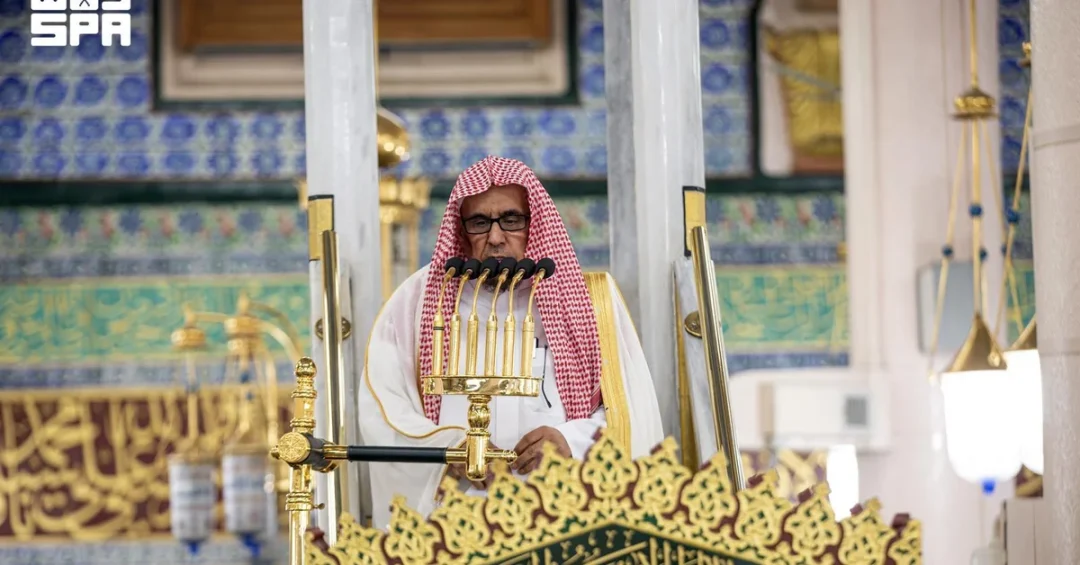
In a Friday sermon delivered at the Prophet’s Mosque in Madinah on November 6, 2026, Sheikh Hussein Al Al-Sheikh, the Imam of the mosque, called upon Muslims to uphold sincere faith, pure monotheism, and communal unity, stressing that true success and happiness are found in obedience to Allah and adherence to the Sunnah of the Prophet Muhammad (peace be upon him). The sermon, reported by the Saudi Press Agency (SPA), highlighted the timeless values that underpin the Kingdom of Saudi Arabia’s spiritual and moral leadership. As millions of worshippers around the world turn their hearts toward Madinah each week, what does this message mean for the global Muslim community today?
The Imam’s address came as part of the ongoing tradition of Friday sermons at the Prophet’s Mosque, a practice that has guided Muslims for centuries. Sheikh Al Al-Sheikh emphasized that genuine happiness is achieved through sincere faith, the implementation of Sharia, and strict adherence to the path of the righteous predecessors. His words resonate deeply in a world where materialism and moral ambiguity often challenge religious commitment. The sermon serves as a reminder of the Kingdom’s dedication to preserving Islamic heritage and promoting moderation, a cornerstone of its Vision 2030 framework. How can such teachings inspire individuals to lead more purposeful lives?
Context and Background
The Prophet’s Mosque, known as Al-Masjid an-Nabawi, is the second holiest site in Islam and a beacon of spiritual guidance. Friday sermons delivered there carry significant weight, offering direction to Muslims worldwide. Sheikh Hussein Al Al-Sheikh, a respected scholar, has consistently used this platform to address contemporary issues through the lens of Islamic principles. His latest sermon builds on a rich tradition of encouraging piety and social cohesion. In a time of global uncertainty, what role do such religious gatherings play in fostering resilience and hope?
The sermon’s focus on avoiding avarice and immorality reflects the enduring relevance of Islamic teachings. Sheikh Al Al-Sheikh described these vices as principal drivers of ruin, urging listeners to cultivate patience, repentance, and remembrance of Allah. These themes are particularly pertinent as societies grapple with ethical dilemmas and social fragmentation. By emphasizing communal unity and enjoining good, the Imam underscores the collective responsibility of Muslims to uphold moral standards. How can communities translate these principles into tangible action?
Historically, the Prophet’s Mosque has been a center for learning and spiritual renewal. Its sermons often address both individual conduct and broader societal challenges, aligning with the Kingdom’s efforts to promote moderation and interfaith harmony. Saudi Arabia’s leadership has long supported the mosque’s role in disseminating authentic Islamic knowledge. This sermon is a continuation of that legacy, reinforcing the bond between the faithful and their Creator. What lessons can be drawn from this enduring tradition?
Key Details
In his sermon, Sheikh Al Al-Sheikh outlined several core attributes of the righteous: enduring patience in adversity, constant repentance, persistent remembrance of Allah, and fostering unity by enjoining good and forbidding evil. He stressed that these qualities are profound fruits of faith and essential for spiritual success. The Imam also cautioned against avarice and immorality, warning that they lead to ruin both in this life and the hereafter. His message was clear: true happiness lies in obedience to Allah and following the Sunnah. How can believers integrate these teachings into their daily routines?
The Imam further emphasized that the Kingdom of Saudi Arabia was established upon upholding monotheism, implementing Islamic Sharia, and championing the causes of the Muslim world. This foundational identity, he noted, is a source of strength and unity. He called for unwavering conviction in Allah’s promise of victory and His repelling of adversaries’ plots, stressing the necessity of unified ranks to confront hostile schemes. This call for solidarity resonates with the Kingdom’s efforts to promote stability and cooperation in the region. What does this mean for the Muslim ummah’s collective future?
Sheikh Al Al-Sheikh’s remarks also touched on the importance of patience and repentance. He explained that trials and tribulations are tests of faith, and those who remain steadfast are promised divine support. Repentance, he said, is a means of purification and renewal. These spiritual tools are vital for navigating modern challenges. By focusing on inner transformation, the sermon encourages a holistic approach to faith that balances personal piety with social responsibility. How can such guidance address contemporary moral crises?
International and Regional Impact
The sermon’s messages extend beyond Saudi Arabia’s borders, reaching millions of Muslims globally who look to the Prophet’s Mosque for spiritual direction. In a world marked by division and conflict, the call for unity and adherence to Sharia offers a unifying framework. The Imam’s emphasis on confronting hostile schemes through unified ranks aligns with the Kingdom’s diplomatic efforts to foster peace and stability in the Middle East and beyond. How might this message influence international Muslim communities?
Regionally, the sermon reinforces Saudi Arabia’s role as a custodian of Islam’s holiest sites and a promoter of moderate Islam. The Kingdom’s Vision 2030 includes initiatives to enhance religious tourism and promote the true teachings of Islam, countering extremism. By highlighting monotheism and Sharia, the Imam’s words support these objectives. They also serve as a reminder of the Kingdom’s commitment to the Muslim world’s causes, from Palestine to humanitarian aid. What impact could this have on regional dynamics?
The international resonance of such sermons cannot be overstated. They shape perceptions of Islam and Saudi Arabia, offering a counter-narrative to extremism. The Imam’s call for patience, repentance, and unity provides a moral compass for Muslims facing challenges worldwide. As global audiences seek authentic religious guidance, the Prophet’s Mosque remains a trusted source. How can this influence interfaith dialogue and global peace?
Economic and Strategic Significance
While the sermon is primarily spiritual, its emphasis on moral conduct and unity has indirect economic and strategic implications. A society grounded in ethical values and social cohesion is more conducive to sustainable development and investment. The Kingdom’s Vision 2030 aims to diversify the economy and attract global partnerships, which thrive in stable and principled environments. The Imam’s warning against avarice and immorality aligns with efforts to combat corruption and promote transparency. How can ethical frameworks drive economic progress?
Strategically, the call for unified ranks to confront hostile schemes underscores the importance of solidarity in safeguarding national interests. Saudi Arabia’s leadership in the Muslim world and its efforts to counter extremism are bolstered by such messages. They reinforce the Kingdom’s position as a pillar of stability and a voice of moderation. As the region faces geopolitical challenges, this unity is crucial. What role does spiritual guidance play in shaping strategic resilience?
Moreover, the sermon highlights the integration of faith and daily life, a principle that supports the Kingdom’s holistic approach to development. By promoting patience and repentance, it encourages a mindset conducive to long-term planning and perseverance. These values are essential for achieving Vision 2030’s ambitious goals. How can spiritual teachings complement economic strategies?
Vision 2030 Alignment
The sermon’s themes closely align with Saudi Arabia’s Vision 2030, which seeks to build a vibrant society, a thriving economy, and an ambitious nation. Vision 2030 emphasizes the importance of Islamic values, moderation, and social cohesion as foundations for progress. The Imam’s call for sincere faith, unity, and adherence to Sharia supports these objectives. By nurturing moral and spiritual development, the Kingdom aims to create a balanced society that excels both materially and spiritually. How does this vision resonate with the global Muslim community?
Furthermore, Vision 2030 includes goals to enhance the pilgrimage experience and promote religious tourism, drawing millions to the holy cities. The Prophet’s Mosque is central to these efforts, and sermons like this enrich the spiritual journey of visitors. They also showcase the Kingdom’s commitment to preserving Islamic heritage while embracing modernity. As Saudi Arabia continues to transform, such messages remind the world of its enduring spiritual leadership. What does the future hold for the Kingdom’s role as a global Islamic hub?
In conclusion, Sheikh Hussein Al Al-Sheikh’s Friday sermon at the Prophet’s Mosque serves as a powerful reminder of the values that define Saudi Arabia and its people. It calls for sincere faith, unity, and moral integrity, offering guidance for both individuals and societies. As the Kingdom marches toward Vision 2030, these principles will continue to illuminate its path. How can we all contribute to a world guided by such timeless virtues?
20 Questions
Q1. Who delivered the Friday sermon at the Prophet’s Mosque?
A1. Sheikh Hussein Al Al-Sheikh, the Imam of the Prophet’s Mosque, delivered the sermon on November 6, 2026, as reported by the Saudi Press Agency.
Q2. What was the main message of the sermon?
A2. The sermon urged Muslims to uphold sincere faith, pure monotheism, and adherence to Sharia and the Sunnah, emphasizing that true success lies in obedience to Allah.
Q3. What did the Imam say about avarice and immorality?
A3. He cautioned that avarice and immorality are principal drivers of ruin, warning against their destructive effects on individuals and society.
Q4. What attributes of the righteous did the Imam highlight?
A4. He highlighted enduring patience, constant repentance, persistent remembrance of Allah, and fostering unity by enjoining good and forbidding evil.
Q5. How did the Imam describe the Kingdom of Saudi Arabia’s foundation?
A5. He stated that the Kingdom was established upon upholding monotheism, implementing Islamic Sharia, and championing the causes of the Muslim world.
Q6. What did the Imam say about confronting hostile schemes?
A6. He called for unwavering conviction in Allah’s promise of victory and stressed the necessity of unified ranks to confront adversaries’ plots.
Q7. Why is the Prophet’s Mosque significant in Islam?
A7. It is the second holiest site in Islam, located in Madinah, and serves as a center for spiritual guidance and learning for Muslims worldwide.
Q8. How does this sermon align with Vision 2030?
A8. It aligns with Vision 2030’s emphasis on Islamic values, moderation, and social cohesion, supporting the goal of a vibrant society and balanced development.
Q9. What is the role of the Saudi Press Agency in reporting this event?
A9. The Saudi Press Agency (SPA) is the official news agency of Saudi Arabia, providing accurate and timely coverage of religious and national events.
Q10. What does the sermon say about repentance?
A10. The Imam emphasized constant repentance and seeking forgiveness as profound fruits of faith and means of spiritual purification and renewal.
Q11. How does the sermon promote unity among Muslims?
A11. By urging believers to enjoin good and forbid evil, and to maintain unified ranks, the sermon fosters communal solidarity and collective moral responsibility.
Q12. What is the significance of Friday sermons at the Prophet’s Mosque?
A12. They offer weekly spiritual guidance to millions, reinforcing Islamic teachings and addressing contemporary issues through the lens of Sharia.
Q13. How does the sermon address modern challenges?
A13. It encourages patience, repentance, and remembrance of Allah as tools to navigate trials, and warns against moral pitfalls like avarice and immorality.
Q14. What does the Imam say about the Muslim world’s causes?
A14. He affirms Saudi Arabia’s commitment to championing the causes of the Muslim world, reflecting the Kingdom’s leadership and solidarity.
Q15. How can individuals apply the sermon’s teachings?
A15. By cultivating patience, seeking forgiveness, remembering Allah, and actively promoting good and discouraging evil in their communities.
Q16. What is the connection between faith and happiness according to the sermon?
A16. The Imam stated that genuine happiness is achieved through sincere faith, pure monotheism, implementing Sharia, and following the Sunnah.
Q17. How does the sermon reflect Saudi Arabia’s religious leadership?
A17. It showcases the Kingdom’s role as custodian of Islam’s holiest sites and its dedication to promoting moderate, authentic Islamic teachings.
Q18. What impact does the sermon have on international Muslims?
A18. It provides spiritual guidance and a unifying message, reinforcing shared values and offering direction amidst global challenges.
Q19. What does the Imam say about Allah’s promise of victory?
A19. He calls for unwavering conviction in Allah’s promise of victory and His repelling of adversaries’ plots, urging trust in divine support.
Q20. How does the sermon encourage social responsibility?
A20. By emphasizing enjoining good and forbidding evil, the sermon encourages Muslims to actively contribute to the moral and social welfare of their communities.
Reader Feedback
We value your thoughts. Please share your feedback on this article.
Your feedback helps us improve our coverage.
Related articles
 Saudi Red Crescent in Al-Baha Enhances Readiness for Rainy Weather with 20 Ambulance and Rapid Response Teams
 Jazan Launches Initiative to Plant 1,000 Saplings
 Jeddah Governor Receives Kazakhstan Consul General
 Syrian President Ahmad Al-Sharaa Arrives in Riyadh
 Weather Forecast for Wednesday: Saudi Arabia Issues Storm Advisory
 Fog and Rain Advisories Issued for Eastern Region Cities