


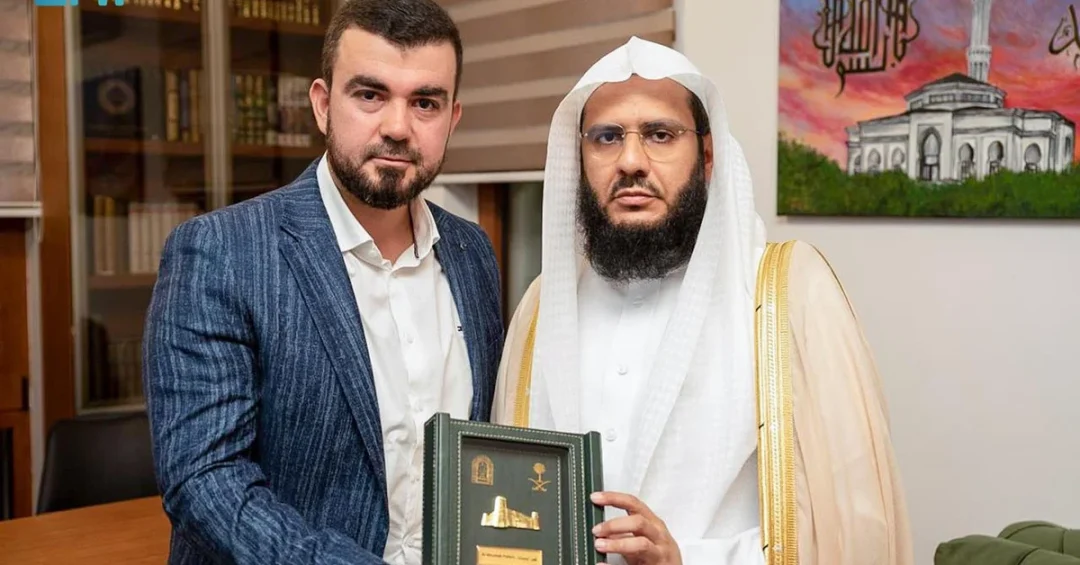
Imam of the Prophet’s Mosque Sheikh Dr. Khalid Al-Muhanna met with several Islamic and government leaders in Ulcinj, Montenegro, on October 26, 2024, as part of the Ministry of Islamic Affairs, Dawah and Guidance’s global program of visits to Islamic communities. The high-level engagement, reported by the Saudi Press Agency (SPA), underscores the Kingdom of Saudi Arabia’s enduring commitment to supporting Islamic work, caring for Muslims and mosques, and promoting moderation and peaceful coexistence around the world. The visit brought together religious dignitaries and public officials in the coastal city of Ulcinj, a historic center of Montenegro’s Muslim community, for discussions centered on strengthening cultural and religious ties.
Why does a single meeting in a small Balkan nation matter to the wider Islamic world? Because it reflects a deliberate, long-term Saudi strategy of building bridges with Muslim communities across Europe and beyond. Under the guidance of the Ministry of Islamic Affairs, Dawah and Guidance, the program of visits by the imams of the two holy mosques is designed to strengthen cultural and religious relations, enhance communication with international Islamic communities, and consolidate moderate Islamic values. The Montenegro visit is the latest expression of that vision, placing Saudi Arabia at the heart of a global conversation about faith, coexistence, and community development.
Context and Background
What is the historical significance of Ulcinj and Montenegro for Europe’s Muslim communities? Ulcinj, located on Montenegro’s Adriatic coast, is one of the oldest continuously inhabited cities in the Balkans and has long been a cultural and religious hub for Muslims in the region. Montenegro is home to a significant Muslim population, and its Islamic community has maintained deep ties with the wider Muslim world for centuries. The city’s mosques, cultural institutions, and community leaders have played a central role in preserving religious identity while contributing to the country’s pluralistic society.
The Ministry of Islamic Affairs, Dawah and Guidance’s program of visits by the imams of the two holy mosques is part of a broader Saudi effort to engage with Islamic communities worldwide. These visits are not ceremonial gestures; they are structured engagements that include meetings with local religious leaders, government officials, and community representatives. The program aims to foster dialogue, share best practices in mosque management and community care, and reinforce the values of moderation and tolerance that define Saudi Arabia’s religious outreach.
Saudi Arabia’s role in supporting Islamic work globally is rooted in its custodianship of the Two Holy Mosques, which gives the Kingdom a unique responsibility and platform. Through this program, the Kingdom extends that responsibility beyond its borders, offering guidance, resources, and solidarity to Muslim communities from Southeast Asia to Europe. The Montenegro visit therefore represents a continuation of a decades-long tradition of Saudi engagement with the global Muslim ummah.
Key Details of the Visit
What exactly happened during Sheikh Dr. Khalid Al-Muhanna’s engagements in Ulcinj? According to the Saudi Press Agency, the Imam of the Prophet’s Mosque met with several Islamic and government leaders in the city, in a series of meetings that highlighted Saudi Arabia’s pioneering role in supporting Islamic work. Al-Muhanna emphasized the Kingdom’s commitment to caring for Muslims and mosques and to promoting moderation and peaceful coexistence. The discussions covered a range of topics, including the importance of religious dialogue, the role of mosques in community building, and the need to counter extremism through education and moderate discourse.
The meetings were held as part of the Ministry of Islamic Affairs, Dawah and Guidance’s program of visits to Islamic communities worldwide. This program is implemented under the direction of the Ministry’s leadership, which has consistently prioritized outreach to Muslim minorities and majority communities alike. The visit to Montenegro follows similar engagements in other European and Asian countries, where Saudi imams have met with local leaders to reinforce shared values and strengthen ties.
Sheikh Dr. Khalid Al-Muhanna’s role as Imam of the Prophet’s Mosque gives him a special standing in the Islamic world. The Prophet’s Mosque in Medina is one of the two holiest sites in Islam, and its imams are respected voices of religious authority. His participation in the Montenegro visit signals the high importance Saudi Arabia attaches to its relations with Islamic communities in Europe. The presence of such a senior religious figure also underscores the Kingdom’s commitment to moderate Islam and to the spiritual well-being of Muslims everywhere.
International and Regional Impact
How does Saudi Arabia’s outreach to Muslim communities in Europe shape its international standing? The visit to Montenegro is part of a broader pattern of Saudi diplomacy that combines religious, cultural, and humanitarian dimensions. By engaging directly with Islamic and government leaders in the Balkans, the Kingdom strengthens its reputation as a responsible global actor and a bridge-builder between cultures. This approach aligns with Saudi Arabia’s foreign policy objectives, which emphasize stability, dialogue, and cooperation.
In the Balkan context, Saudi Arabia’s engagement is particularly significant. The region has a complex history of religious and ethnic diversity, and Muslim communities there have often looked to the wider Islamic world for support and solidarity. Saudi Arabia’s visits provide a platform for sharing experiences and for promoting moderate Islamic values that contribute to social harmony. The meetings in Ulcinj also offer an opportunity to discuss practical cooperation in areas such as education, mosque restoration, and youth engagement.
From a regional perspective, the visit reinforces Saudi Arabia’s leadership in the Islamic world. The Kingdom’s custodianship of the Two Holy Mosques and its extensive global outreach programs make it a natural partner for Muslim communities seeking guidance and support. By meeting with government leaders as well as religious figures, Saudi representatives demonstrate that their engagement is comprehensive and respects the legal and political frameworks of host countries.
Economic and Strategic Significance
What strategic value does this visit hold beyond its immediate religious and cultural dimensions? Saudi Arabia’s global outreach is closely tied to its economic and diplomatic interests. As the Kingdom pursues Vision 2030, it seeks to diversify its partnerships and project a modern, moderate image on the world stage. Engagement with European Muslim communities contributes to this goal by building goodwill and fostering people-to-people ties that can translate into broader cooperation in trade, tourism, and investment.
Montenegro, with its strategic location on the Adriatic and its aspirations for European integration, is a natural partner for Saudi Arabia in the Balkans. The visit opens doors for discussions on economic cooperation, cultural exchange, and tourism. Saudi Arabia’s experience in developing religious tourism, particularly through the Hajj and Umrah sectors, could be of interest to Montenegrin officials looking to boost their own tourism industry. Moreover, the Kingdom’s expertise in infrastructure and sustainable development aligns with Montenegro’s needs.
The strategic significance of the visit also lies in its timing. As global attention focuses on the Balkans and the wider Mediterranean, Saudi Arabia’s proactive diplomacy demonstrates its commitment to stability and prosperity in the region. By supporting Muslim communities and engaging with governments, the Kingdom positions itself as a constructive partner in Europe’s neighborhood.
Vision 2030 Alignment
How does the Montenegro visit connect to Saudi Arabia’s Vision 2030? Vision 2030 is not only an economic transformation plan; it also includes a strong cultural and religious dimension. The Kingdom aims to promote moderate Islam, support Islamic heritage, and strengthen its role as a global leader in interfaith dialogue. The Ministry of Islamic Affairs, Dawah and Guidance’s program of visits is a key instrument in achieving these objectives. By sending imams of the two holy mosques to communities around the world, Saudi Arabia shares its values of tolerance, coexistence, and community service.
The visit to Ulcinj also reflects Vision 2030’s emphasis on international engagement and soft power. Saudi Arabia is increasingly active in global forums and bilateral partnerships, and its religious diplomacy complements these efforts. The Kingdom’s ability to bring together Islamic and government leaders in a European city demonstrates its unique convening power and its commitment to building a more harmonious world. As Vision 2030 progresses, such visits will continue to play a vital role in projecting Saudi Arabia’s message of moderation and peace.
In conclusion, the meeting between Sheikh Dr. Khalid Al-Muhanna and Islamic and government leaders in Montenegro is a testament to Saudi Arabia’s enduring commitment to the global Muslim community and to the values of dialogue and coexistence. It is a clear example of how the Kingdom, under the leadership of the Custodian of the Two Holy Mosques, is working to strengthen bonds across continents. As the world becomes more interconnected, Saudi Arabia’s outreach will remain a beacon of moderation and a bridge between cultures.
20 Questions
Q1. Who met with Islamic and government leaders in Montenegro?
A1. Sheikh Dr. Khalid Al-Muhanna, Imam of the Prophet’s Mosque, met with Islamic and government leaders in Ulcinj, Montenegro, on October 26, 2024.
Q2. What was the purpose of the Imam’s visit to Montenegro?
A2. The visit was part of the Ministry of Islamic Affairs, Dawah and Guidance’s program to strengthen cultural and religious relations and consolidate moderate Islamic values worldwide.
Q3. Which Saudi ministry organized the visit?
A3. The Ministry of Islamic Affairs, Dawah and Guidance organized the visit as part of its global outreach program to Islamic communities.
Q4. Where exactly in Montenegro did the meetings take place?
A4. The meetings took place in Ulcinj, a coastal city in Montenegro known for its historic Muslim community and cultural heritage.
Q5. What did Sheikh Dr. Al-Muhanna emphasize during the meetings?
A5. He emphasized Saudi Arabia’s pioneering role in supporting Islamic work, caring for Muslims and mosques, and promoting moderation and peaceful coexistence.
Q6. What is the program of visits by the imams of the two holy mosques?
A6. It is a Ministry of Islamic Affairs initiative that sends imams to Islamic communities worldwide to enhance communication and consolidate moderate Islamic values.
Q7. Why is Ulcinj significant for Muslims in the Balkans?
A7. Ulcinj is one of the oldest cities in the Balkans and has long been a cultural and religious hub for Muslims in Montenegro and the region.
Q8. How does this visit reflect Saudi Arabia’s global role?
A8. It demonstrates Saudi Arabia’s commitment to supporting Muslims worldwide and its leadership in promoting moderation and interfaith dialogue.
Q9. What are the key objectives of the Ministry’s outreach program?
A9. The program aims to strengthen cultural and religious relations, enhance communication with international Islamic communities, and consolidate moderate Islamic values.
Q10. Did the visit include meetings with government officials?
A10. Yes, Sheikh Dr. Al-Muhanna met with both Islamic and government leaders in Ulcinj, according to the Saudi Press Agency.
Q11. How does this visit align with Vision 2030?
A11. It aligns with Vision 2030’s cultural and religious dimensions, promoting moderate Islam and strengthening Saudi Arabia’s global leadership and soft power.
Q12. What message does the visit send to Muslim communities in Europe?
A12. It sends a message of solidarity, support, and commitment to moderation and peaceful coexistence from the Kingdom of Saudi Arabia.
Q13. Who is Sheikh Dr. Khalid Al-Muhanna?
A13. He is the Imam of the Prophet’s Mosque in Medina, one of the two holiest sites in Islam, and a respected religious figure.
Q14. What is the significance of the Prophet’s Mosque Imam traveling abroad?
A14. It highlights the high importance Saudi Arabia places on engaging with global Muslim communities and sharing moderate Islamic values.
Q15. How does Saudi Arabia support mosques and Islamic work globally?
A15. Through programs like this, Saudi Arabia provides guidance, resources, and solidarity to Muslim communities, helping to maintain mosques and promote moderate teachings.
Q16. What role does the Saudi Press Agency play in reporting such visits?
A16. The Saudi Press Agency is the official news agency of Saudi Arabia, providing authoritative coverage of official visits and government initiatives.
Q17. Are there plans for similar visits to other countries?
A17. Yes, the Ministry of Islamic Affairs, Dawah and Guidance continues to implement its global program of visits to Islamic communities in various countries.
Q18. How does this visit contribute to countering extremism?
A18. By promoting moderation and peaceful coexistence, the visit helps to counter extremist narratives and supports community resilience.
Q19. What economic benefits could result from this visit?
A19. It could open doors for cooperation in tourism, cultural exchange, and investment, aligning with Saudi Arabia’s economic diversification goals.
Q20. What is the overall significance of this visit for Saudi-Montenegro relations?
A20. It strengthens bilateral ties, enhances cultural and religious understanding, and positions Saudi Arabia as a constructive partner in the Balkans.
Reader Feedback
We value your thoughts. Please share your feedback on this article.
Your feedback helps us improve our coverage.
Related articles
 Crown Prince Congratulates Austria on National Day
 Arab Youth Media Creativity Summit to Start Tomorrow in Cairo
 Saudi Committee to Join 34th Red Cross Conference in Geneva
 KSrelief Chief: Saudi Arabia a Model Global Humanitarian Donor
 KSrelief Chief Meets UNHCR Official in Jeddah
 Bahrain Condemns Military Operation Against Iran, Calls for Ceasefire