


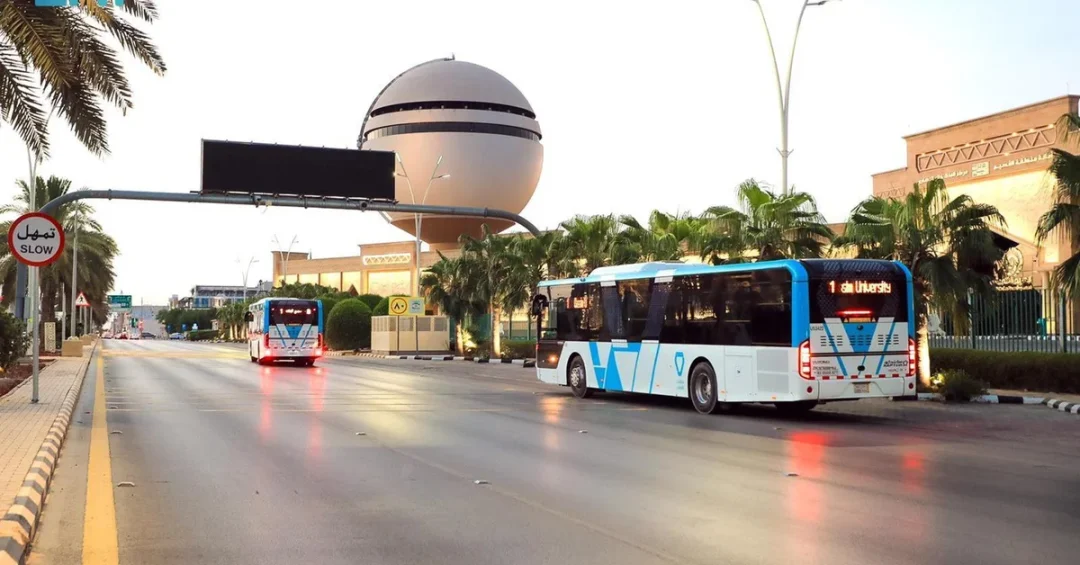
The Qassim Bus Public Transportation Project has served more than 75,000 passengers since its launch in July 2024, marking a significant milestone in Saudi Arabia’s efforts to modernize public transport and enhance quality of life in the region. The project, which operates in the cities of Buraidah and Unaizah, was inaugurated as part of the Kingdom’s broader vision to develop sustainable, efficient, and accessible transportation networks. According to the Saudi Press Agency (SPA), the service has quickly become an integral part of daily life for residents and citizens, demonstrating its capacity to meet the growing demand for reliable public transit.
Context and Background
The Qassim Bus Public Transportation Project is a key initiative under Saudi Arabia’s Vision 2030, which aims to diversify the economy, improve public services, and elevate the quality of life across the Kingdom. The project is managed by the Qassim Municipality and was launched in July 2024 to address the transportation needs of the rapidly growing Qassim region. Buraidah and Unaizah, two of the largest cities in the area, are home to a combined population of over 1 million people, many of whom rely on public transport for daily commuting. The project’s comprehensive network includes 210 stations, strategically located to connect key destinations such as Prince Naif bin Abdulaziz International Airport, Qassim University, and the SAR train station, facilitating seamless travel across the region.
Key Details
The bus network operates 12 routes with a fleet of 73 modern buses, making an average of 1,320 trips per day. This high frequency ensures that passengers experience minimal waiting times and can easily reach their destinations. The integration of the bus routes into Google Maps has further enhanced user experience by allowing commuters to plan their journeys in real-time. The project’s success is evident in the 75,000 passengers served within just two months of operation, underscoring the community’s embrace of this sustainable transport option. The buses are equipped with modern amenities, including air conditioning, Wi-Fi, and accessibility features for people with disabilities, ensuring a comfortable and inclusive experience for all.
Implications and Impact
The Qassim Bus project has far-reaching implications for the region and beyond. By providing an efficient alternative to private vehicles, it helps reduce traffic congestion, lower carbon emissions, and promote environmental sustainability. The project also supports economic growth by improving access to education, healthcare, and employment opportunities. For instance, students at Qassim University can now commute easily, and employees can rely on a dependable transport system. Moreover, the project serves as a model for other regions in Saudi Arabia, showcasing how public-private partnerships and smart technology can transform urban mobility. Internationally, it reflects Saudi Arabia’s commitment to adopting global best practices in public transportation, aligning with the Kingdom’s aspirations to be a leader in innovation and sustainability.
Vision 2030 Alignment
The Qassim Bus Public Transportation Project is a tangible manifestation of Vision 2030’s objectives to enhance public services, improve quality of life, and build a sustainable future. By investing in modern infrastructure and smart mobility solutions, Saudi Arabia is not only meeting the immediate needs of its citizens but also laying the groundwork for long-term economic diversification and urban development. As the Kingdom continues to roll out similar projects across various regions, initiatives like the Qassim Bus network will play a pivotal role in shaping a connected, efficient, and environmentally friendly transportation ecosystem, reinforcing Saudi Arabia’s position as a global leader in innovative public services.
20 Questions
Q1. What is the Qassim Bus Public Transportation Project?
A1. The Qassim Bus Public Transportation Project is a modern public transit system serving Buraidah and Unaizah, launched in July 2024 to improve mobility and quality of life in the region.
Q2. How many passengers have benefited from the project so far?
A2. More than 75,000 passengers have used the service since its inauguration in July 2024, demonstrating its popularity and effectiveness in meeting transportation needs.
Q3. Which cities does the bus network cover?
A3. The network covers Buraidah and Unaizah, two major cities in the Qassim region, connecting key destinations such as the airport, Qassim University, and the SAR train station.
Q4. How many stations are part of the bus network?
A4. The project includes 210 stations strategically located across Buraidah and Unaizah to ensure convenient access for residents and visitors.
Q5. How many buses are in operation?
A5. A fleet of 73 modern buses operates on 12 routes, making an average of 1,320 trips per day to provide frequent and reliable service.
Q6. Has the bus service been integrated with digital maps?
A6. Yes, the Qassim bus routes have been integrated into Google Maps, allowing users to track buses in real-time and plan their journeys efficiently.
Q7. What are the key destinations served by the buses?
A7. Key destinations include Prince Naif bin Abdulaziz International Airport, Qassim University, and the SAR train station, facilitating seamless connectivity for commuters.
Q8. How does the project contribute to Vision 2030?
A8. It aligns with Vision 2030 by enhancing public services, promoting sustainable transport, and improving the quality of life for citizens and residents in the Qassim region.
Q9. What amenities are available on the buses?
A9. The buses are equipped with air conditioning, Wi-Fi, and accessibility features for people with disabilities, ensuring a comfortable and inclusive travel experience.
Q10. How often do the buses run?
A10. With 1,320 trips per day across 12 routes, buses run frequently throughout the day, minimizing waiting times for passengers.
Q11. Who manages the Qassim Bus project?
A11. The project is managed by the Qassim Municipality in coordination with relevant government entities, as part of Saudi Arabia’s public transport development efforts.
Q12. What impact has the project had on traffic congestion?
A12. By offering a reliable alternative to private vehicles, the project helps reduce traffic congestion and lowers carbon emissions, contributing to a cleaner environment.
Q13. How does the project support students and workers?
A13. It provides affordable and efficient transportation to Qassim University and employment hubs, making daily commutes easier for students and workers.
Q14. Is the service accessible for people with disabilities?
A14. Yes, the buses are designed with accessibility features to accommodate passengers with disabilities, ensuring inclusive mobility for all.
Q15. What technology is used for route planning?
A15. The integration with Google Maps allows passengers to view routes, schedules, and real-time bus locations, enhancing the overall user experience.
Q16. How does the project promote environmental sustainability?
A16. By encouraging public transport use, the project reduces the number of private vehicles on the road, leading to lower emissions and a smaller carbon footprint.
Q17. Are there plans to expand the bus network?
A17. While specific expansion plans are not detailed, the project’s success may pave the way for similar initiatives in other regions as part of Vision 2030.
Q18. What was the inauguration date of the project?
A18. The Qassim Bus Public Transportation Project was inaugurated in July 2024, marking a new era of public mobility in the region.
Q19. How does the project reflect Saudi Arabia’s modernization efforts?
A19. It showcases the Kingdom’s commitment to adopting smart, sustainable transport solutions and improving public services in line with global best practices.
Q20. What is the significance of the 75,000 passenger milestone?
A20. The milestone highlights the community’s rapid adoption of the service and its effectiveness in addressing the region’s transportation needs, setting a benchmark for future projects.
Reader Feedback
We value your thoughts. Please share your feedback on this article.
Your feedback helps us improve our coverage.