


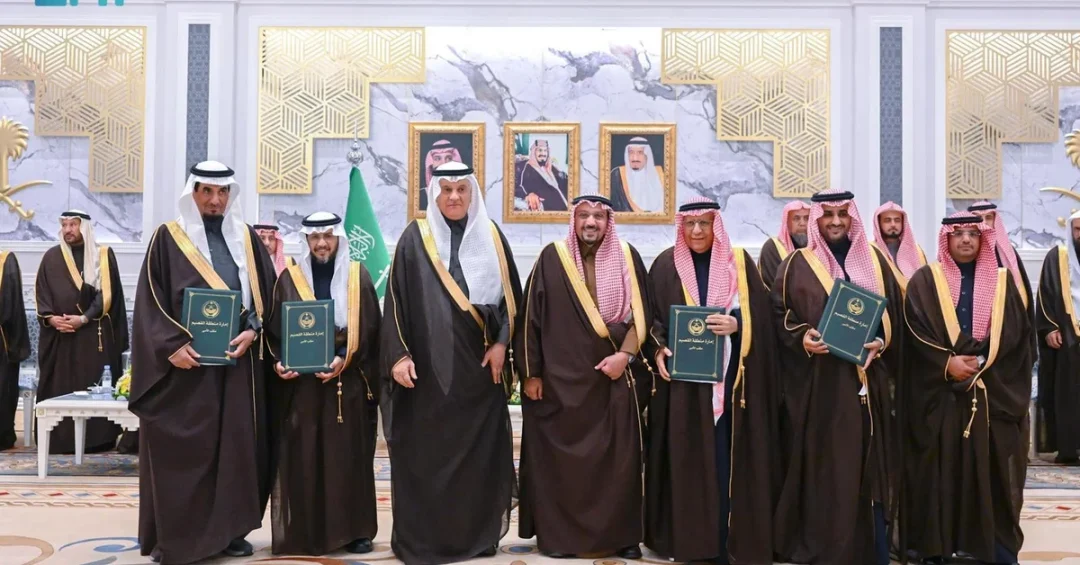
Prince Dr. Faisal bin Mishaal bin Saud bin Abdulaziz, Governor of the Qassim Region, witnessed the signing of the contract for the implementation of the Jubail–Buraydah Independent Water Transmission Pipeline Project, a landmark infrastructure initiative valued at SAR 8.5 billion, in the presence of Eng. Abdulrahman Alfadley, Minister of Environment, Water and Agriculture. The signing ceremony, held in Buraydah and reported by the Saudi Press Agency (SPA), marks a significant step forward in the Kingdom’s efforts to enhance water security and regional connectivity. The project will link the Eastern and Qassim regions with desalinated drinking water through a 587-kilometer pipeline, designed to transport up to 650,000 cubic meters per day.
Have you ever considered how nations secure one of life’s most essential resources? This project is a direct response to that challenge, reflecting the continued support and commitment of Saudi Arabia’s wise leadership to developing national water infrastructure. It aligns with the goals of Saudi Vision 2030, which seeks to ensure sustainable development and a high quality of life for all citizens. The collaboration between government entities and the private sector underscores a shared dedication to achieving these ambitious objectives.
Context and Background
Why is water security such a critical priority for the Kingdom? Saudi Arabia, with its arid climate and limited natural freshwater resources, has long relied on desalination to meet its water needs. The Jubail–Buraydah Independent Water Transmission Pipeline Project is part of a broader strategy to modernize and expand the national water grid. By connecting the Eastern Region’s desalination plants with the Qassim Region, the pipeline will ensure a reliable supply of potable water to one of the Kingdom’s key agricultural and population centers. This initiative is not just about infrastructure; it is about safeguarding the future.
The project’s origins trace back to the Ministry of Environment, Water and Agriculture’s plans for regional water connectivity. Eng. Abdulrahman Alfadley has been a driving force behind these efforts, emphasizing the role of partnerships in enhancing service quality and efficiency. The signing ceremony, attended by Prince Dr. Faisal bin Mishaal, highlights the local and national importance of the project. The governor commended the minister’s dedication and expressed gratitude to all entities involved, recognizing their efforts in achieving sustainable development and ensuring water delivery to all beneficiaries according to the highest standards.
What does this mean for the residents of Qassim and beyond? For communities in both regions, the pipeline represents more than just a technical achievement; it promises improved water distribution efficiency, reduced reliance on local groundwater, and enhanced resilience against drought. The project also includes the construction of strategic reservoirs: six in Al-Shimasiyah Governorate and three in Jubail City, with a total capacity of 1,634,500 cubic meters. These reservoirs will act as buffers, ensuring continuous supply even during peak demand or maintenance periods.
Key Details
How will the pipeline operate to guarantee uninterrupted service? The Jubail–Buraydah pipeline is distinguished by its reverse pumping capability from Al-Shimasiyah Governorate through Al-Qulayyib to Jubail City. This innovative design allows water to flow in both directions, ensuring the highest levels of continuous water supply. The pipeline’s design transport capacity of up to 650,000 cubic meters per day is sufficient to meet the needs of millions of residents, farmers, and industries. The Ministry of Environment, Water and Agriculture has emphasized that this aligns with its plans for regional water connectivity across the Kingdom.
The contract for the project was signed with a consortium that includes private sector partners, reflecting the ministry’s strategy to leverage private expertise in construction, operation, and management. Eng. Alfadley highlighted the private sector’s vital role, noting that such partnerships enhance service quality and improve spending efficiency. The total cost of SAR 8.5 billion underscores the scale of the investment and the government’s commitment to long-term water security. The project is expected to create jobs, stimulate local economies, and foster technological transfer in the water sector.
What are the technical specifications that make this project stand out? The 587-kilometer pipeline will traverse diverse terrain, requiring advanced engineering solutions. The strategic reservoirs will be equipped with monitoring systems to ensure optimal water quality and distribution. The reverse pumping capability is particularly noteworthy, as it provides flexibility in managing supply from different sources. This is especially important given the Kingdom’s growing demand for water driven by population growth, urbanization, and agricultural expansion. The project is a testament to Saudi Arabia’s ability to undertake mega-infrastructure projects that meet international standards.
International and Regional Impact
How does this project position Saudi Arabia on the global stage? The Jubail–Buraydah pipeline is a model of sustainable water management that could inspire other arid nations. By investing in cutting-edge infrastructure, the Kingdom demonstrates its leadership in addressing water scarcity, a challenge faced by many countries in the Middle East and North Africa. The project also strengthens regional integration by linking the Eastern and Qassim regions, facilitating economic cooperation and shared prosperity. International observers have noted that such initiatives contribute to stability and development in the region.
What role does the private sector play in this international context? The involvement of private companies, both domestic and international, signals confidence in Saudi Arabia’s economy and its Vision 2030 reforms. The ministry’s emphasis on partnerships reflects a global trend toward public-private collaboration in infrastructure. By attracting foreign expertise and investment, the project enhances technology transfer and best practices. It also aligns with the Kingdom’s efforts to diversify its economy and reduce dependence on oil, as water infrastructure is a key enabler of non-oil sectors such as agriculture, industry, and tourism.
Economic and Strategic Significance
Why is this project economically significant for Saudi Arabia? The SAR 8.5 billion investment is a major boost to the construction and engineering sectors, creating jobs and stimulating local supply chains. The pipeline will support agricultural activities in the Qassim Region, which is known for its date palm plantations and other crops. Reliable water supply is essential for food security, a strategic priority for the Kingdom. Moreover, the project reduces the cost of water production and distribution over the long term by improving efficiency and reducing losses. It is a strategic asset that will pay dividends for generations.
How does it fit into the broader economic vision? The project is a direct contributor to Vision 2030’s goals of sustainable development and economic diversification. By ensuring water security, it enables other sectors to thrive, from manufacturing to tourism. The use of independent water transmission pipelines is part of a larger plan to involve the private sector in water desalination and transmission, as outlined by the National Water Strategy 2030. This approach not only improves service delivery but also frees up government resources for other priorities. The project also enhances the Kingdom’s creditworthiness and attractiveness to investors by demonstrating fiscal responsibility and long-term planning.
Vision 2030 Alignment
How does the Jubail–Buraydah pipeline embody the spirit of Vision 2030? Vision 2030 is about transforming Saudi Arabia into a more diversified, sustainable, and prosperous nation. Water security is a cornerstone of that vision, as it underpins public health, economic activity, and environmental sustainability. The project reflects the leadership’s commitment to providing essential services and improving the quality of life for all citizens. It also showcases the Kingdom’s ability to execute complex projects through collaboration between government and the private sector, a key pillar of the Vision 2030 reform agenda.
What does the future hold for water infrastructure in Saudi Arabia? The Jubail–Buraydah project is one of many initiatives aimed at achieving regional water connectivity. The Ministry of Environment, Water and Agriculture continues to develop plans for similar pipelines across the Kingdom, ensuring that every region has access to reliable water sources. As Saudi Arabia marches toward 2030 and beyond, such projects will be critical in sustaining growth and enhancing resilience. The signing of this contract is not just a milestone; it is a promise to future generations that the Kingdom will always have the water it needs to thrive.
20 Questions
Q1. What is the Jubail–Buraydah Independent Water Transmission Pipeline Project?
A1. It is a major infrastructure project to transport desalinated water from Jubail to Buraydah, linking the Eastern and Qassim regions. The pipeline spans 587 kilometers and has a design capacity of 650,000 cubic meters per day.
Q2. Who witnessed the signing of the contract?
A2. Prince Dr. Faisal bin Mishaal bin Saud bin Abdulaziz, Governor of the Qassim Region, witnessed the signing in the presence of Eng. Abdulrahman Alfadley, Minister of Environment, Water and Agriculture.
Q3. What is the total cost of the project?
A3. The project has a total cost of SAR 8.5 billion, reflecting the Kingdom’s commitment to developing national water infrastructure and enhancing water security.
Q4. How long is the pipeline?
A4. The pipeline extends over 587 kilometers, connecting the Eastern Region with the Qassim Region to ensure a reliable supply of desalinated drinking water.
Q5. What is the design transport capacity of the pipeline?
A5. The pipeline is designed to transport up to 650,000 cubic meters of water per day, sufficient to meet the needs of millions of residents, farmers, and industries.
Q6. What is unique about the pipeline’s pumping capability?
A6. The pipeline features reverse pumping capability from Al-Shimasiyah Governorate through Al-Qulayyib to Jubail City, ensuring continuous water supply and flexibility in management.
Q7. How many strategic reservoirs will be built?
A7. The project includes six strategic reservoirs in Al-Shimasiyah Governorate and three in Jubail City, with a total capacity of 1,634,500 cubic meters.
Q8. Why are these reservoirs important?
A8. They ensure sustainable water supply and improve distribution efficiency, acting as buffers during peak demand or maintenance periods to guarantee uninterrupted service.
Q9. How does the project align with Saudi Vision 2030?
A9. It aligns with Vision 2030 by enhancing water security, supporting sustainable development, and improving the quality of life, which are key objectives of the reform agenda.
Q10. What role does the private sector play in this project?
A10. The private sector is involved in construction, operation, and management, leveraging its expertise to enhance service quality and improve spending efficiency, as emphasized by the minister.
Q11. What did Prince Dr. Faisal say about the project?
A11. He highlighted its significance in reflecting the leadership’s support for developing water infrastructure and enhancing water security across the Kingdom, aligning with Vision 2030 goals.
Q12. What did Eng. Alfadley express?
A12. He expressed gratitude to the governor for his support and highlighted the private sector’s vital role in advancing the water sector and enhancing service quality.
Q13. How will the project benefit the Qassim Region?
A13. It will provide a reliable supply of desalinated water, support agricultural activities, improve distribution efficiency, and reduce reliance on local groundwater, fostering economic growth.
Q14. How will the project benefit the Eastern Region?
A14. It will strengthen water connectivity, ensure a stable supply for industrial and urban areas, and enhance regional integration, contributing to overall economic development.
Q15. What is the significance of the reverse pumping capability?
A15. It allows water to flow in both directions, providing flexibility and ensuring continuous supply even if one source is disrupted, enhancing the resilience of the water network.
Q16. When was the contract signed?
A16. The contract was signed on March 4, 2025, as reported by the Saudi Press Agency, marking a significant milestone in the Kingdom’s water infrastructure development.
Q17. Which ministry is responsible for the project?
A17. The Ministry of Environment, Water and Agriculture, led by Eng. Abdulrahman Alfadley, is responsible for overseeing the project and ensuring its alignment with national water strategies.
Q18. How does this project contribute to food security?
A18. By providing reliable water for agriculture, especially in the Qassim Region known for date palms, it supports food production and reduces dependence on imports, enhancing national food security.
Q19. What other similar projects are planned?
A19. The ministry plans for regional water connectivity across the Kingdom, with additional pipelines and reservoirs to ensure every region has access to reliable water sources.
Q20. What is the expected impact on job creation?
A20. The project is expected to create numerous jobs in construction, engineering, and operations, stimulating local economies and contributing to the Kingdom’s economic diversification goals.
Reader Feedback
We value your thoughts. Please share your feedback on this article.
Your feedback helps us improve our coverage.
Related articles
 Saudi Ambassador Hosts Ramadan Iftar in Pakistan
 20 Saudi Relief Trucks Cross Nasib Border to Aid Syrian People
 KSrelief Distributes 138 Food Baskets in Syria
 NCVC Launches Project to Restore Degraded Land in Western, Southern Saudi Arabia
 Saudi Authority Organizes Grand Mosque Gates for Ramadan Flow
 370 Scouts Serve Prophet’s Mosque Visitors in Ramadan