


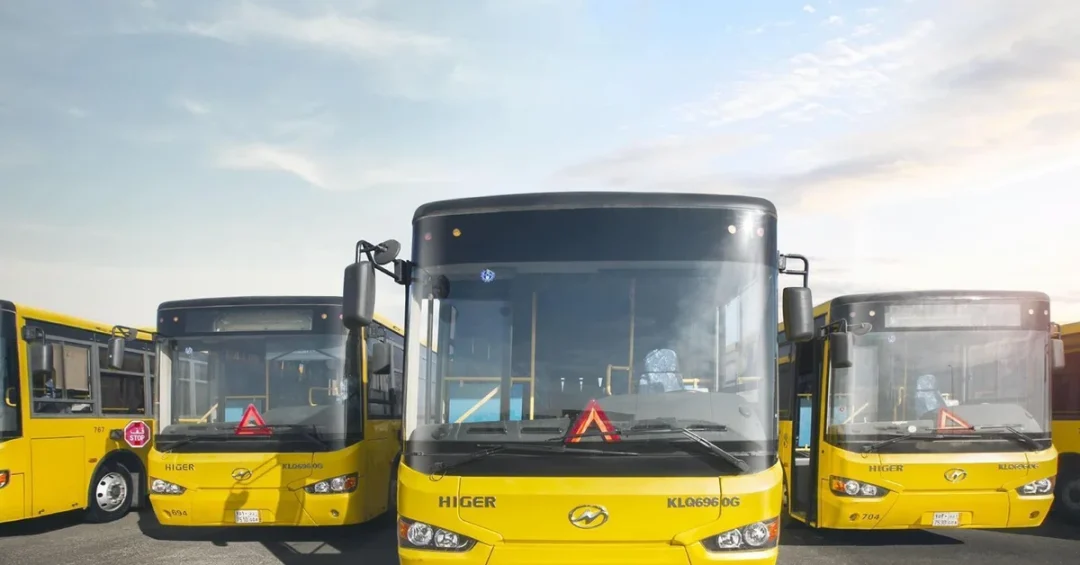
The school transport fleet operated by Tatweer Transportation Services Company (Rafed), the strategic partner of the Ministry of Education for school transport, traveled more than 1.5 million kilometers during over 131,000 trips in the first week of the 2024-2025 academic year, according to the Saudi Press Agency (SPA). The fleet, comprising more than 13,000 buses and vehicles, transported over 56,000 students across all levels of general education, including more than 16,000 students with disabilities, from over 10,000 schools throughout the Kingdom.
Context and Background
Rafed, a subsidiary of the Public Investment Fund (PIF), was established to modernize and enhance the safety and efficiency of school transportation in Saudi Arabia. As the strategic partner of the Ministry of Education, Rafed oversees a vast network of buses and vehicles that serve students daily, ensuring they reach their schools safely and on time. The start of the 2024-2025 academic year marked a significant operational milestone, with the fleet covering 1.5 million kilometers in just one week. This achievement underscores the scale and reliability of the service, which is integral to the Kingdom’s educational infrastructure and reflects the broader goals of Saudi Vision 2030 to improve quality of life and public services.
Key Details
In preparation for the academic year, Rafed conducted 14,000 checkups on its fleet, carried out by 200 administrators, supervisors, and field observers. These inspections ensured compliance with all safety standards, including stop signs, safety arms, seat belts, fire extinguishers, glass hammers, emergency exits, safety buttons, and sensors connected to the Automatic Vehicle Location (AVL) system. The company also invested in technical systems to enhance operational efficiency and safety, such as automating security procedures, launching an electronic platform for driver training, establishing a control room for real-time tracking of trips, and creating an electronic monitoring platform for violations. Additionally, the Rafid Aman application was introduced to facilitate reporting and data recording. These measures reflect Rafed’s commitment to leveraging technology to provide a secure and dependable service for students and their families.
Implications and Impact
The successful operation of the school transport fleet during the first week demonstrates Saudi Arabia’s capability to manage large-scale logistics with precision and care. It also highlights the Kingdom’s dedication to inclusive education, as evidenced by the transportation of over 16,000 students with disabilities. By ensuring safe and efficient transport, Rafed contributes to reducing traffic congestion and environmental impact, while promoting regular school attendance. This initiative aligns with Vision 2030’s objectives to enhance public services and integrate smart solutions into daily life. Furthermore, it sets a benchmark for other sectors to adopt similar technological advancements and safety protocols.
Vision 2030 Alignment
The achievements of Rafed’s school transport fleet are a testament to Saudi Vision 2030’s focus on modernizing infrastructure, improving education, and leveraging technology for societal benefit. By providing safe, reliable, and inclusive transportation, Rafed supports the Kingdom’s goal of fostering a vibrant society and a thriving economy. As Saudi Arabia continues to advance its educational and technological landscape, initiatives like this will play a crucial role in shaping a sustainable and prosperous future for all citizens.
20 Questions
Q1. What is Rafed?
A1. Rafed is the Tatweer Transportation Services Company, the strategic partner of the Ministry of Education for school transport in Saudi Arabia. It operates a large fleet of buses and vehicles to ensure safe and efficient transportation for students across the Kingdom.
Q2. How many kilometers did the school transport fleet cover in the first week?
A2. The fleet traveled more than 1.5 million kilometers during the first week of the 2024-2025 academic year, according to the Saudi Press Agency.
Q3. How many students were transported?
A3. Over 56,000 students were transported, including more than 16,000 students with disabilities, from over 10,000 schools throughout the Kingdom.
Q4. How many buses and vehicles are in the fleet?
A4. The fleet consists of more than 13,000 buses and vehicles, ensuring comprehensive coverage for students across Saudi Arabia.
Q5. What safety features are included in the buses?
A5. Safety features include stop signs, safety arms, seat belts, fire extinguishers, glass hammers, emergency exits, safety buttons, and sensors connected to the AVL system.
Q6. How many checkups were conducted before the school year?
A6. Rafed conducted 14,000 checkups on the fleet, performed by 200 administrators, supervisors, and field observers to ensure all safety standards were met.
Q7. What is the AVL system?
A7. AVL stands for Automatic Vehicle Location, a system that uses sensors to track the location of buses in real-time, enhancing safety and operational efficiency.
Q8. What technological systems has Rafed implemented?
A8. Rafed has automated security procedures, launched an electronic platform for driver training, established a control room for real-time tracking, and created an electronic monitoring platform for violations.
Q9. What is the Rafid Aman application?
A9. The Rafid Aman application is a tool for submitting reports and recording data, facilitating communication and incident reporting related to school transport services.
Q10. How does Rafed ensure driver competence?
A10. Rafed operates an electronic platform for training and educating drivers, ensuring they are well-prepared to handle school transport safely and efficiently.
Q11. How many school trips were made in the first week?
A11. More than 131,000 school trips were made during the first week, demonstrating the scale of operations and the high demand for reliable school transport.
Q12. What is the role of the control room?
A12. The control room enables direct and real-time tracking of school trips, allowing for immediate response to any issues and ensuring the safety of students during their commute.
Q13. How does Rafed support students with disabilities?
A13. Rafed transported over 16,000 students with disabilities, providing them with safe and accessible transportation to ensure they can attend school without barriers.
Q14. What is the significance of the 1.5 million kilometers traveled?
A14. It highlights the extensive reach and reliability of the school transport service, showcasing Saudi Arabia’s capability to manage large-scale logistics efficiently and safely.
Q15. How does Rafed contribute to Vision 2030?
A15. By modernizing school transport with technology and safety measures, Rafed supports Vision 2030’s goals of improving public services, enhancing education, and fostering a vibrant society.
Q16. What is the Ministry of Education’s role in this initiative?
A16. The Ministry of Education partners with Rafed to oversee school transport, ensuring that students have access to safe and reliable transportation as part of the Kingdom’s educational infrastructure.
Q17. How does Rafed monitor violations?
A17. Rafed uses an electronic monitoring platform to track and address any violations, ensuring compliance with safety regulations and maintaining high service standards.
Q18. What preparations were made before the academic year?
A18. Rafed conducted extensive fleet checkups, implemented technological systems, and trained drivers to ensure a smooth and safe start to the school year.
Q19. How does the school transport service benefit families?
A19. It provides peace of mind by ensuring children travel safely to and from school, reducing traffic congestion, and supporting regular attendance, which is essential for academic success.
Q20. What future developments can be expected from Rafed?
A20. Rafed is likely to continue integrating advanced technologies and expanding its fleet to further enhance safety and efficiency, aligning with Saudi Arabia’s vision for a modern and inclusive education system.
Reader Feedback
We value your thoughts. Please share your feedback on this article.
Your feedback helps us improve our coverage.