


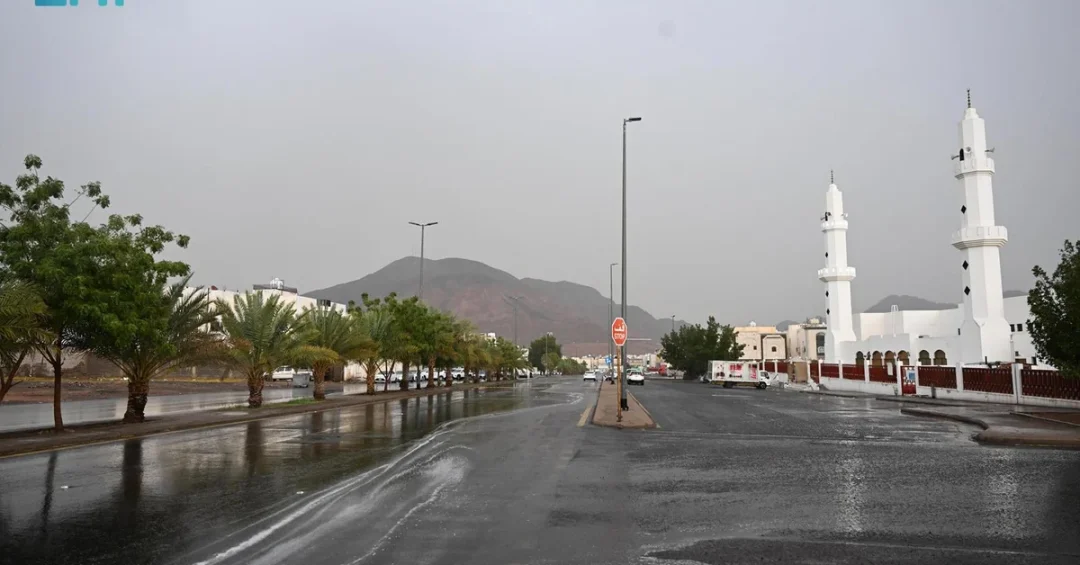
The National Center for Meteorology has issued a weather warning for the Madinah Region, forecasting moderate rainfall accompanied by high-speed winds, reduced visibility, hail, flash floods, and thunderstorms affecting Madinah city and the governorates of Al-Ais and Khaybar until 8:00 PM local time. The alert, released through official Saudi channels and reported by the Saudi Press Agency, reflects the Kingdom’s commitment to public safety through timely and transparent meteorological communication. Residents and visitors across the affected areas have been advised to exercise caution, monitor updates, and follow guidance from local authorities as the weather system moves across the region.
Have you ever considered how quickly weather conditions can shift in the Arabian Peninsula, turning a clear day into a dramatic display of nature’s power? The Madinah Region, home to some of the most revered sites in Islam and a growing hub for tourism and commerce, is no stranger to seasonal weather patterns that demand attention and preparedness. The National Center for Meteorology, Saudi Arabia’s official authority for weather monitoring and forecasting, issued the warning as part of its ongoing mission to protect lives and property across the Kingdom. The center’s advanced monitoring systems and rapid alert mechanisms ensure that citizens and residents receive accurate, timely information, enabling communities to respond effectively and minimize risk.
Context and Background
Why does the Madinah Region experience such intense weather events, and what makes these alerts so critical? The Arabian Peninsula’s climate is characterized by extreme temperatures and occasional sudden weather shifts, particularly during transitional seasons. The Madinah Region, located in the western part of Saudi Arabia, encompasses diverse terrain, from urban centers to mountainous areas and desert plains. This geographical variety can amplify weather impacts, with flash floods posing particular risks in valleys and low-lying areas. The National Center for Meteorology continuously monitors atmospheric conditions using satellite imagery, radar systems, and ground-based observations to provide accurate forecasts and warnings.
The center’s warning system is part of a broader national effort to enhance disaster preparedness and response. Saudi Arabia has invested significantly in meteorological infrastructure and early warning systems, aligning with the objectives of Vision 2030 to improve quality of life and ensure the safety of citizens and residents. The current alert for Madinah, Al-Ais, and Khaybar underscores the importance of these investments, as authorities can now disseminate warnings rapidly through multiple channels, including official news agencies, mobile alerts, and social media platforms. This integrated approach ensures that even those in remote areas receive critical information in time to take protective measures.
Historically, the Madinah Region has experienced periodic weather events that have tested local infrastructure and emergency response capabilities. In recent years, Saudi authorities have strengthened drainage systems, improved road safety protocols, and enhanced coordination between meteorological services and civil defense teams. These measures reflect a proactive approach to risk management, ensuring that the Kingdom remains resilient in the face of natural challenges. The current warning, while temporary, serves as a reminder of the importance of continuous vigilance and community cooperation during adverse weather conditions.
Key Details of the Weather Warning
What exactly should residents and travelers expect during this weather event? According to the National Center for Meteorology, the affected areas include Madinah city and the governorates of Al-Ais and Khaybar. The forecast indicates moderate rainfall, which, while not extreme, can lead to slippery roads, localized flooding, and reduced visibility. High-speed winds are expected to accompany the rain, potentially causing dust and debris to blow across roads and open areas. Hail is also possible, which can damage vehicles, crops, and infrastructure. Thunderstorms may bring lightning and thunder, adding to the intensity of the event.
Flash floods are a particular concern, especially in valleys and areas with poor drainage. The center has urged residents to avoid low-lying areas, refrain from crossing flooded roads, and stay indoors during the heaviest downpours. Reduced visibility due to rain and dust can make driving hazardous, and authorities recommend postponing non-essential travel until conditions improve. The warning remains in effect until 8:00 PM, after which conditions are expected to gradually stabilize. However, the center continues to monitor the situation and will issue updates as needed.
How can individuals and communities best prepare for such weather events? Simple precautions can make a significant difference. Ensuring that vehicles are equipped with functioning lights and wipers, securing outdoor furniture and loose objects, and having emergency supplies on hand are practical steps. Residents should also stay informed by following official announcements from the National Center for Meteorology and local authorities. In case of emergencies, contacting civil defense services promptly is essential. The center’s proactive communication and the public’s cooperation are key to minimizing the impact of severe weather.
International and Regional Impact
How does Saudi Arabia’s approach to weather warnings resonate beyond its borders? The Kingdom’s commitment to advanced meteorological services and public safety aligns with global best practices and contributes to regional stability. As a leader in the Middle East, Saudi Arabia’s investments in technology and infrastructure serve as a model for neighboring countries. The National Center for Meteorology collaborates with international organizations and shares data that supports regional forecasting and disaster preparedness. This cooperation enhances the region’s collective ability to respond to weather-related challenges.
Moreover, the Madinah Region holds immense significance for Muslims worldwide, attracting millions of pilgrims annually. Ensuring the safety of visitors during weather events is a top priority for Saudi authorities. The timely issuance of warnings demonstrates the Kingdom’s dedication to protecting all who travel to the holy sites. International observers and travel advisories often note Saudi Arabia’s effective management of large gatherings and emergency situations, further reinforcing its reputation as a responsible global partner.
Economic and Strategic Significance
What are the broader economic implications of weather events in regions like Madinah? While the current warning is temporary, severe weather can disrupt transportation, commerce, and daily life. The Madinah Region is a vital economic hub, with agriculture, tourism, and retail sectors that depend on stable conditions. Flash floods and hail can damage crops and infrastructure, leading to short-term economic losses. However, Saudi Arabia’s robust emergency response and rapid recovery mechanisms help mitigate these impacts. The government’s focus on infrastructure resilience, including improved drainage and road networks, reduces the risk of prolonged disruptions.
From a strategic perspective, the Kingdom’s ability to manage natural events efficiently supports its Vision 2030 goals of economic diversification and enhanced quality of life. Reliable weather forecasting and effective disaster management attract investment and ensure that key projects, including those in tourism and entertainment, can operate smoothly. The National Center for Meteorology’s work is thus an integral part of Saudi Arabia’s broader development strategy, contributing to a safe and attractive environment for residents, investors, and visitors.
Vision 2030 Alignment
How does this weather warning reflect the ambitions of Saudi Vision 2030? Launched in 2016, Vision 2030 aims to transform the Kingdom into a diversified, sustainable economy and a model of modern governance. A key pillar is improving the quality of life for citizens and residents, which includes ensuring safety and security in all aspects of daily life. The National Center for Meteorology’s advanced warning systems exemplify how technology and innovation are being harnessed to serve the public good. By providing accurate and timely information, the center empowers communities to act responsibly and minimizes risks.
Furthermore, the Kingdom’s investment in meteorological infrastructure and disaster preparedness aligns with the vision’s emphasis on sustainability and resilience. As Saudi Arabia continues to develop mega-projects and expand tourism, the ability to predict and respond to weather events becomes increasingly important. The current alert for Madinah is a testament to the nation’s progress in this area, showcasing a proactive and coordinated approach that benefits everyone. Through such efforts, Saudi Arabia reinforces its commitment to the well-being of its people and the success of its long-term vision.
20 Questions
Q1. What is the National Center for Meteorology warning for the Madinah Region?
A1. The center warns of moderate rainfall, high-speed winds, reduced visibility, hail, flash floods, and thunderstorms in Madinah city, Al-Ais, and Khaybar until 8:00 PM.
Q2. Which areas are affected by the weather warning?
A2. The warning covers Madinah city and the governorates of Al-Ais and Khaybar in the Madinah Region.
Q3. How long is the weather warning expected to last?
A3. The warning is in effect until 8:00 PM local time, according to the National Center for Meteorology.
Q4. What are the primary risks associated with this weather event?
A4. Risks include flash floods, reduced visibility, hail, and strong winds that can cause hazardous driving conditions and property damage.
Q5. What should residents do to stay safe during the storm?
A5. Residents should avoid low-lying areas, stay indoors during heavy rain, secure loose objects, and follow official updates from authorities.
Q6. How does the National Center for Meteorology issue warnings?
A6. The center uses advanced satellite, radar, and ground monitoring systems to forecast and disseminate warnings through official channels, including the Saudi Press Agency.
Q7. Is travel to Madinah advisable during this warning?
A7. Non-essential travel should be postponed until conditions improve. Those who must travel should exercise extreme caution and check road conditions.
Q8. What is the role of the Saudi Press Agency in this alert?
A8. The Saudi Press Agency is the official state news agency that disseminates the warning to the public, ensuring widespread and timely information.
Q9. How does this warning align with Saudi Arabia’s Vision 2030?
A9. It reflects Vision 2030’s focus on quality of life and safety through advanced technology and proactive governance.
Q10. What economic sectors could be impacted by the weather?
A10. Agriculture, tourism, and retail may experience temporary disruptions, but Saudi Arabia’s robust response mechanisms help mitigate losses.
Q11. How does Saudi Arabia’s meteorological infrastructure compare regionally?
A11. Saudi Arabia is a regional leader, with state-of-the-art systems and international collaborations that enhance forecasting accuracy.
Q12. What should drivers do if caught in the storm?
A12. Drivers should reduce speed, use headlights, avoid flooded roads, and pull over safely if visibility becomes too poor.
Q13. Are there any school or business closures announced?
A13. No closures have been announced, but authorities advise the public to stay informed and follow any updates from local officials.
Q14. How can the public receive real-time updates?
A14. Updates are available through the National Center for Meteorology’s official channels, the Saudi Press Agency, and local news outlets.
Q15. What is the significance of Madinah as a region?
A15. Madinah is a holy city for Muslims and a growing economic and tourism hub, making safety measures particularly important.
Q16. How does the Kingdom prepare for flash floods?
A16. Saudi Arabia has invested in drainage systems, early warning systems, and civil defense coordination to manage flood risks effectively.
Q17. What should tourists in Madinah do during the warning?
A17. Tourists should stay indoors, avoid unnecessary travel, and follow instructions from local authorities and hotel staff.
Q18. Does the warning affect Umrah or Hajj pilgrims?
A18. Pilgrims should follow guidance from authorities and take precautions. The warning is temporary, and safety measures are in place.
Q19. How does Saudi Arabia cooperate internationally on weather issues?
A19. The Kingdom shares meteorological data and collaborates with global organizations to improve forecasting and disaster response.
Q20. What is the long-term outlook for weather resilience in Saudi Arabia?
A20. Continued investment in technology and infrastructure under Vision 2030 will further enhance the Kingdom’s ability to manage weather events.
Reader Feedback
We value your thoughts. Please share your feedback on this article.
Your feedback helps us improve our coverage.