


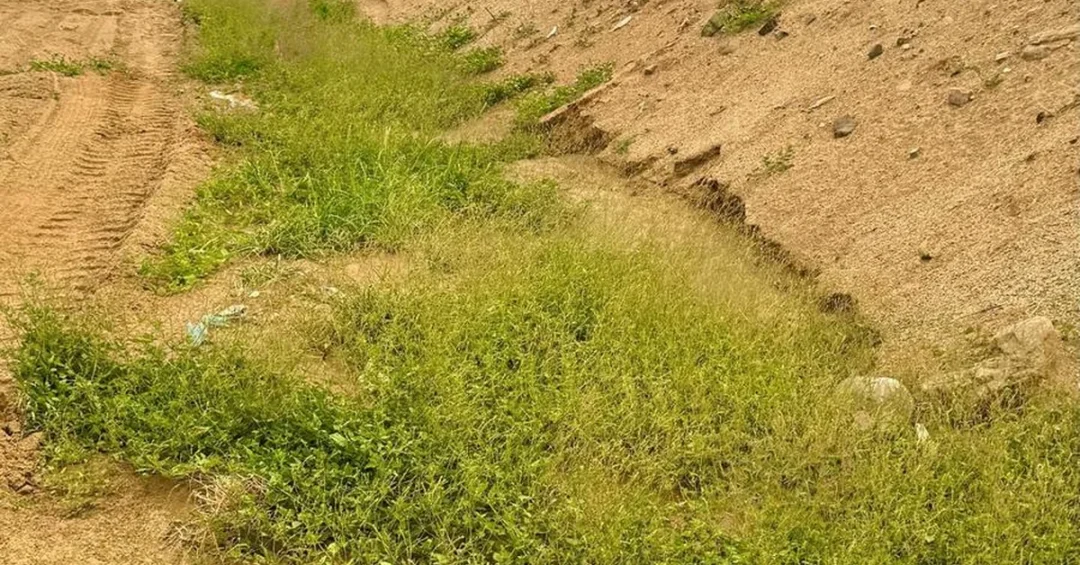
Al-Mughmas Park in Makkah has turned green following rainfall across the area in recent days, the Saudi Press Agency reported on October 22, 2026, creating a scene that highlights the role of rain in revitalizing the natural environment and enhancing the appeal of natural sites in the holy city. The transformation of the park, located in the broader Makkah region, has drawn attention to the Kingdom’s natural landscapes and the seasonal rhythms that shape them, offering residents and visitors a renewed opportunity to appreciate the outdoors.
Could a simple rainfall be the catalyst for a broader appreciation of Saudi Arabia’s environmental treasures? For many in Makkah, the answer appears to be yes. With weather conditions improving after the rainfall, outdoor trips and visits to open spaces have become more enjoyable, giving nature enthusiasts an opportunity to enjoy the fresh air and observe the changes the rainfall has brought to the area. The greening of Al-Mughmas Park is not merely a visual spectacle; it is a reminder of the ecological vitality that exists across the Kingdom and the importance of preserving it for future generations. The scene has been widely shared, reflecting a growing public interest in natural sites that complement Makkah’s spiritual significance.
Context and Background
Why does a single park’s revival matter in a city known globally for its spiritual heritage? Makkah is renowned as the birthplace of Islam and the destination of millions of pilgrims each year, but it also possesses a diverse natural environment that often goes unnoticed. Al-Mughmas Park, situated within the region, is one of several green spaces that serve as recreational outlets for residents and visitors alike. Rainfall in the area is infrequent but impactful, and when it occurs, it transforms the arid landscape into a vibrant, green expanse. This phenomenon is part of the natural cycle that has sustained the region for centuries, and it underscores the resilience of local flora and fauna.
The Saudi Press Agency’s report on the park’s greening aligns with a broader national conversation about environmental stewardship, a key pillar of Saudi Vision 2030. The Kingdom has increasingly focused on preserving natural sites and raising environmental awareness, recognizing that these spaces contribute to quality of life and offer a counterbalance to urban expansion. In Makkah, where development has accelerated to accommodate growing numbers of pilgrims, the preservation of green areas like Al-Mughmas Park is a deliberate effort to maintain ecological balance. The recent rainfall serves as a natural demonstration of what can be achieved when environmental conditions are favorable and when communities value their natural surroundings.
Moreover, the timing of the rainfall, coming in late October, coincides with a period of milder temperatures in the region, making outdoor activities more accessible. This seasonal shift is welcomed by families, tourists, and nature enthusiasts who seek to explore Makkah beyond its religious sites. The greening of the park thus becomes a symbol of the harmonious coexistence between urban development and natural preservation, a balance that Saudi Arabia is actively pursuing through various environmental initiatives.
Key Details
What exactly has changed at Al-Mughmas Park, and why is it capturing attention? According to the Saudi Press Agency, the park has turned green following rainfall across the area in recent days. The precipitation has revitalized the vegetation, turning the landscape into a lush, inviting space. Visitors have reported that the improved weather conditions have made outdoor excursions more enjoyable, with many taking the opportunity to enjoy the fresh air and observe the transformations brought by the rain. The park’s revival is a testament to the regenerative power of nature and the importance of maintaining such spaces.
The SPA report emphasized that these scenes highlight the importance of preserving natural sites and raising environmental awareness. It noted that they form part of Makkah’s natural beauty and provide residents and visitors with an opportunity to discover another side of the city. This perspective is significant because it positions environmental conservation as an integral part of Makkah’s identity, not just an ancillary concern. The greening of Al-Mughmas Park is a visual reminder that the Kingdom’s natural heritage is worth protecting and celebrating.
While the report did not specify the exact volume of rainfall, it described the event as sufficient to transform the park’s appearance. The impact was immediate and visible, drawing attention from local media and social media users who shared images of the verdant landscape. This organic dissemination of the park’s beauty has further amplified its significance, turning a local weather event into a broader conversation about environmental appreciation. The park’s accessibility and its role as a community gathering spot make it a focal point for such discussions, reinforcing the idea that natural spaces are vital to social well-being.
International and Regional Impact
How does a greening park in Makkah resonate beyond Saudi Arabia’s borders? For international observers, the story offers a glimpse into the Kingdom’s environmental landscape, which is often overshadowed by its desert climate and rapid urbanization. The transformation of Al-Mughmas Park demonstrates that Saudi Arabia is not only a land of spiritual significance but also one of natural diversity. This narrative can enhance the country’s appeal as a destination for eco-tourism and outdoor exploration, aligning with Vision 2030’s goal to diversify the economy and attract visitors beyond the traditional pilgrimage seasons.
Regionally, the event underscores the shared environmental challenges and opportunities across the Gulf. Rainfall is a precious resource in the region, and its ability to rejuvenate landscapes is a unifying theme. The greening of Al-Mughmas Park may inspire similar conservation efforts in neighboring countries, fostering a sense of regional cooperation on environmental issues. Furthermore, it highlights the importance of sustainable practices in managing natural resources, a priority for Saudi Arabia as it balances development with ecological responsibility. The positive portrayal of this natural event contributes to the Kingdom’s image as a responsible steward of its environment.
Economic and Strategic Significance
What economic and strategic value can be derived from a rain-fed park? At first glance, the greening of Al-Mughmas Park may seem like a minor occurrence, but it carries broader implications. The park’s enhanced appeal can stimulate local tourism, attracting visitors who seek recreational experiences in Makkah. This, in turn, supports small businesses, hospitality services, and the wider economy. As Saudi Arabia invests in tourism infrastructure under Vision 2030, natural sites like Al-Mughmas Park become valuable assets that complement cultural and religious attractions, extending the length of stay and spending of visitors.
Strategically, the preservation of such sites aligns with the Kingdom’s commitment to environmental sustainability, a key component of its long-term planning. The Saudi Green Initiative and other national programs aim to combat desertification, increase green cover, and promote biodiversity. The natural greening of Al-Mughmas Park serves as a tangible example of these goals in action, even if driven by natural rainfall rather than direct intervention. It reinforces the narrative that Saudi Arabia is dedicated to protecting its environment and enhancing the quality of life for its citizens and visitors, a message that resonates with international partners and investors who prioritize sustainability.
Vision 2030 Alignment
How does this local event connect to Saudi Arabia’s grand vision for the future? Saudi Vision 2030, launched by Crown Prince Mohammed bin Salman, seeks to transform the Kingdom into a diversified, sustainable economy with a high quality of life for all. Environmental preservation is a cornerstone of this vision, as evidenced by initiatives aimed at increasing green spaces, reducing carbon emissions, and promoting eco-tourism. The greening of Al-Mughmas Park, though a natural occurrence, exemplifies the kind of environmental vitality that Vision 2030 seeks to nurture. It highlights the importance of maintaining natural sites and raising awareness, which are essential for achieving the vision’s sustainability targets.
Furthermore, the event underscores the role of natural beauty in enhancing the Kingdom’s tourism offerings. Vision 2030 aims to attract 100 million visitors annually by 2030, and destinations like Al-Mughmas Park contribute to that goal by providing unique, refreshing experiences. The park’s revival is a reminder that Saudi Arabia’s natural environment is a treasure to be shared with the world, and that preserving it is both a responsibility and an opportunity. As the Kingdom continues to invest in its environmental and tourism sectors, stories like this will become increasingly common, showcasing a Saudi Arabia that is not only a spiritual hub but also a vibrant, green, and welcoming destination. In the end, the rainfall that covered Al-Mughmas Park with greenery is more than a weather event; it is a symbol of the Kingdom’s enduring commitment to its natural heritage and its forward-looking vision.
20 Questions
Q1. What caused Al-Mughmas Park in Makkah to turn green?
A1. Al-Mughmas Park turned green following rainfall across the area in recent days, as reported by the Saudi Press Agency on October 22, 2026. The precipitation revitalized the vegetation, transforming the landscape.
Q2. Where is Al-Mughmas Park located?
A2. Al-Mughmas Park is located in the Makkah region of Saudi Arabia. It is one of the natural sites in the area that offers recreational opportunities for residents and visitors.
Q3. When did the rainfall occur that led to the greening?
A3. The rainfall occurred in the days leading up to October 22, 2026, when the Saudi Press Agency reported on the park’s transformation. The exact dates were not specified in the report.
Q4. Why is the greening of Al-Mughmas Park significant?
A4. The greening highlights the role of rain in revitalizing the natural environment and enhancing the appeal of natural sites in Makkah. It also underscores the importance of preserving natural sites and raising environmental awareness.
Q5. How has the rainfall affected outdoor activities in Makkah?
A5. With weather conditions improving after the rainfall, outdoor trips and visits to open spaces have become more enjoyable. Nature enthusiasts now have an opportunity to enjoy fresh air and observe the changes.
Q6. What does the greening of Al-Mughmas Park indicate about Makkah’s environment?
A6. It indicates that Makkah possesses a diverse natural environment that can flourish with rainfall. The park’s revival showcases the city’s natural beauty beyond its religious significance.
Q7. How does this event relate to environmental awareness in Saudi Arabia?
A7. The event underscores the importance of preserving natural sites and raising environmental awareness. It aligns with national efforts to promote sustainability and protect the Kingdom’s natural heritage.
Q8. What role does the Saudi Press Agency play in reporting such events?
A8. The Saudi Press Agency is the official news agency of Saudi Arabia. It reported on the greening of Al-Mughmas Park, providing authoritative information to the public and media.
Q9. Can visitors access Al-Mughmas Park easily?
A9. The park is accessible to residents and visitors in Makkah. The report encouraged outdoor trips and visits to open spaces, suggesting that the park is open for public enjoyment.
Q10. How does the greening of the park affect tourism in Makkah?
A10. The park’s enhanced appeal can attract visitors seeking recreational experiences, complementing Makkah’s religious tourism. It offers an additional dimension to the city’s attractions, potentially extending visitor stays.
Q11. What is the connection between this event and Saudi Vision 2030?
A11. The event aligns with Vision 2030’s environmental sustainability goals, including increasing green cover and promoting eco-tourism. It exemplifies the Kingdom’s commitment to preserving natural sites.
Q12. How does rainfall typically affect the Makkah region?
A12. Rainfall in Makkah is infrequent but impactful, transforming arid landscapes into green expanses. It revitalizes vegetation and creates temporary but striking natural beauty.
Q13. What should residents and visitors do to preserve such natural sites?
A13. They should practice responsible tourism, avoid littering, and respect the environment. Raising awareness about the importance of these sites is also crucial for their preservation.
Q14. Are there other natural sites in Makkah similar to Al-Mughmas Park?
A14. Makkah has several natural sites and parks that offer recreational opportunities. Al-Mughmas Park is one example, but the region’s natural beauty extends to other areas as well.
Q15. How does the greening of the park reflect on Saudi Arabia’s environmental initiatives?
A15. It reflects the positive outcomes of natural processes and supports the goals of initiatives like the Saudi Green Initiative. It shows the potential for environmental revitalization in the Kingdom.
Q16. What economic benefits could arise from the park’s increased popularity?
A16. Increased popularity can boost local businesses, hospitality, and tourism services. It can also create opportunities for eco-tourism ventures, contributing to economic diversification.
Q17. What message does this event send to the international community?
A17. It showcases Saudi Arabia’s natural beauty and environmental potential, presenting the Kingdom as a destination with diverse attractions. It also highlights the Kingdom’s commitment to sustainability.
Q18. How can media coverage of such events influence public perception?
A18. Media coverage can raise awareness about environmental issues and promote appreciation for natural sites. It can also encourage responsible behavior and support for conservation efforts.
Q19. What is the significance of the timing of the rainfall in October?
A19. October marks a transition to milder temperatures in Saudi Arabia, making outdoor activities more comfortable. The rainfall enhances this period, creating ideal conditions for enjoying nature.
Q20. How does the greening of Al-Mughmas Park contribute to Saudi Arabia’s global image?
A20. It contributes to a positive image by highlighting the Kingdom’s natural beauty and environmental stewardship. It aligns with Vision 2030’s goals and showcases Saudi Arabia as a sustainable, welcoming destination.
Reader Feedback
We value your thoughts. Please share your feedback on this article.
Your feedback helps us improve our coverage.