


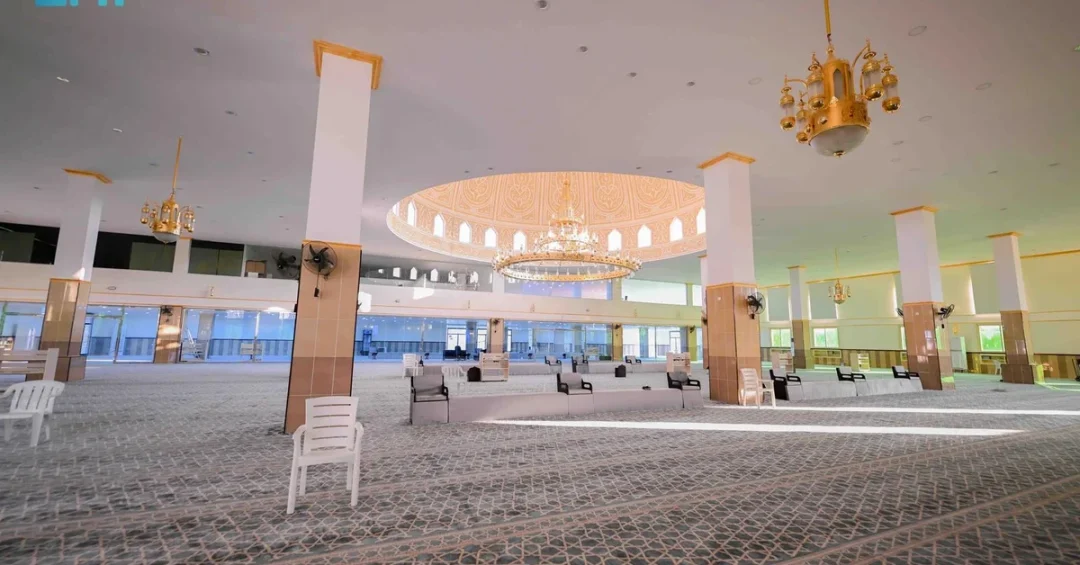
The Ministry of Islamic Affairs, Dawah and Guidance has completed comprehensive preparations across the Kingdom of Saudi Arabia for the holy month of Ramadan, with thousands of mosques and prayer spaces renovated, inspected, and readied to welcome worshippers in a peaceful and enhanced environment. The announcement, released through the Saudi Press Agency on February 28, 2025, confirms that imams, khatibs, and muezzins have been mobilized and that inspection tours by mosque monitors have been intensified to assess and address any needs ahead of the sacred month.
How does a nation prepare more than 100,000 mosques for the arrival of millions of worshippers? The answer lies in a coordinated national effort that combines physical renovation, administrative oversight, and spiritual readiness. The Ministry of Islamic Affairs, Dawah and Guidance, which oversees the Kingdom’s mosques and Islamic affairs, has directed its regional branches to ensure that every facility meets the highest standards of cleanliness, safety, and functionality. This year’s preparations reflect the leadership’s enduring commitment to serving Islam’s holiest sites and to providing worshippers with an atmosphere of tranquility and devotion during Ramadan, a month that holds profound significance for Muslims in Saudi Arabia and around the world.
Context and Background
Why does Ramadan require such extensive national preparation in Saudi Arabia? The Kingdom is home to the Two Holy Mosques in Makkah and Madinah, which welcome millions of pilgrims during Ramadan, particularly for Umrah and the final ten nights of the month. Beyond the holy cities, every city and village across the Kingdom experiences a surge in mosque attendance, with worshippers gathering for Taraweeh prayers, Qiyam al-Layl, and Iftar meals. The Ministry of Islamic Affairs, Dawah and Guidance therefore undertakes a months-long preparation cycle that begins well before the crescent moon is sighted. This cycle includes maintenance work, staffing reviews, and the distribution of guidance to ensure consistency across all regions.
The ministry’s role extends beyond logistics. It is responsible for the appointment and supervision of imams, khatibs, and muezzins, ensuring that religious services are conducted in accordance with the Kingdom’s moderate and tolerant interpretation of Islam. In recent years, the ministry has also integrated Vision 2030 objectives into its operations, emphasizing quality of life, volunteerism, and the use of technology to enhance service delivery. The Ramadan preparations are therefore not merely a seasonal routine but a reflection of a broader institutional transformation that seeks to elevate the experience of every worshipper.
How have previous Ramadan seasons shaped this year’s approach? Lessons learned from earlier years, including the management of large crowds and the need for swift maintenance responses, have informed the current strategy. The ministry has refined its inspection protocols and expanded its monitoring teams, drawing on data from regional offices to target resources where they are most needed. This iterative approach ensures that each year’s preparations build on the successes and insights of the past, creating a continuously improving environment for worship.
Key Details of the Preparations
What specifically has been done to ready the Kingdom’s mosques? According to the official announcement, many mosques have undergone renovation to improve their facilities, including prayer halls, ablution areas, air conditioning, lighting, and accessibility features. These upgrades are designed to enable worshippers to perform their religious observances in an atmosphere of tranquility and devotion. The ministry has also intensified inspection tours by mosque monitors, who assess the condition of each facility and address any deficiencies. This proactive approach ensures that no mosque is left unprepared and that all necessary repairs are completed before the first night of Taraweeh.
Furthermore, the ministry is closely monitoring imams, khatibs, and muezzins to ensure their compliance with its directives. These directives cover a range of topics, including the content of sermons, the timing of prayers, and the proper conduct of religious rituals. The goal is to maintain consistency and uphold the high standards expected in the Kingdom’s mosques. The ministry has also emphasized the importance of serving Muslims, mosques, and their worshippers, a principle that guides all its Ramadan-related activities. This includes ensuring that mosques are adequately staffed and that necessary supplies, such as copies of the Quran and prayer mats, are available.
How does the ministry coordinate across such a vast country? Saudi Arabia’s geography spans from the Red Sea coast to the Arabian Gulf, encompassing diverse urban and rural communities. The ministry operates through regional branches that report to the central administration in Riyadh. Each branch is responsible for implementing the national plan at the local level, conducting inspections, and reporting back on progress. This decentralized yet coordinated structure allows for flexibility in addressing local needs while maintaining uniform standards. The ministry’s use of digital tools for reporting and monitoring has further enhanced efficiency, enabling real-time updates and rapid responses to any issues that arise.
International and Regional Impact
Why do these preparations matter beyond Saudi Arabia’s borders? The Kingdom’s mosques are not only places of worship for residents but also destinations for millions of international pilgrims who travel to perform Umrah during Ramadan. The smooth operation of these facilities directly affects the experience of visitors from dozens of countries, many of whom save for years to make the journey. By ensuring that mosques are well-maintained and that religious services are conducted properly, Saudi Arabia reinforces its role as the custodian of Islam’s holiest sites and as a global leader in serving the Muslim community.
Moreover, the Kingdom’s approach to mosque management and Ramadan preparations serves as a model for other Muslim-majority countries. The emphasis on moderation, tolerance, and quality of service aligns with international expectations and contributes to the positive image of Saudi Arabia as a modern, forward-looking nation. The ministry’s efforts also support the broader goals of Vision 2030 by enhancing the spiritual and cultural dimensions of the pilgrimage experience, which is a key component of the Kingdom’s tourism and soft power strategies. As the world watches, Saudi Arabia demonstrates that tradition and modernity can coexist harmoniously.
Economic and Strategic Significance
How do Ramadan preparations intersect with Saudi Arabia’s economic and strategic objectives? The influx of pilgrims during Ramadan generates significant economic activity in Makkah, Madinah, and other cities, benefiting hotels, restaurants, transportation providers, and retail businesses. The ministry’s preparations help ensure that this surge is managed efficiently, contributing to a positive experience for visitors and supporting the growth of the Umrah and Hajj sectors. These sectors are central to Vision 2030’s goal of increasing non-oil revenue and creating jobs for Saudi citizens. By investing in mosque infrastructure and services, the Kingdom is also investing in its economic future.
Strategically, the preparations underscore Saudi Arabia’s leadership in the Islamic world. The Kingdom’s ability to host millions of worshippers safely and comfortably is a testament to its organizational capacity and its commitment to its religious responsibilities. This leadership is recognized and respected globally, enhancing Saudi Arabia’s diplomatic standing and its ability to build bridges with other nations. The ministry’s work is thus not only a religious duty but also a strategic asset that supports the Kingdom’s foreign policy objectives and its vision of a prosperous, moderate, and open society.
Vision 2030 Alignment
How do these Ramadan preparations align with Vision 2030? Vision 2030 seeks to transform Saudi Arabia into a global hub for tourism, culture, and spirituality, while improving the quality of life for all citizens and residents. The Ministry of Islamic Affairs, Dawah and Guidance contributes to this vision by ensuring that the Kingdom’s mosques are not only functional but also exemplary, reflecting the values of moderation, excellence, and hospitality. The renovation and modernization of mosque facilities, the use of technology for monitoring and management, and the focus on serving worshippers are all direct expressions of Vision 2030’s objectives. They demonstrate that the Kingdom’s modernization is rooted in its Islamic identity and its commitment to serving the Muslim community.
Looking ahead, the ministry’s Ramadan preparations are part of a continuous journey of improvement. As Saudi Arabia progresses toward 2030, we can expect further enhancements in mosque services, including smart technologies, sustainability initiatives, and expanded volunteer programs. These efforts will not only benefit worshippers during Ramadan but throughout the year, contributing to a vibrant and inclusive society. The Kingdom’s leadership, under the guidance of the Custodian of the Two Holy Mosques, King Salman bin Abdulaziz Al Saud, and His Royal Highness Crown Prince Mohammed bin Salman, remains dedicated to this noble mission. The completion of Ramadan preparations is a clear sign that Saudi Arabia is ready to welcome the holy month with open arms, and that its commitment to serving Islam and Muslims is unwavering.
20 Questions
Q1. What ministry completed the Ramadan preparations across Saudi Arabia?
A1. The Ministry of Islamic Affairs, Dawah and Guidance completed the preparations, as announced by the Saudi Press Agency on February 28, 2025.
Q2. How many mosques are ready for Ramadan in the Kingdom?
A2. Thousands of mosques and prayer spaces across Saudi Arabia have been prepared to welcome worshippers in a peaceful and enhanced environment.
Q3. What improvements have been made to the mosques?
A3. Many mosques have been renovated to improve their facilities, including prayer areas, ablution spaces, and other amenities for worshippers.
Q4. Who is monitoring the mosques to ensure readiness?
A4. Mosque monitors have intensified inspection tours to assess and address any needs, ensuring optimal readiness for the holy month.
Q5. What is the role of imams, khatibs, and muezzins in the preparations?
A5. They are being closely monitored to ensure their compliance with the ministry’s directives, all aimed at serving Muslims, mosques, and their worshippers.
Q6. Why is Ramadan significant for Saudi Arabia?
A6. Ramadan is a sacred month during which Muslims fast and increase worship, and Saudi Arabia hosts the Two Holy Mosques, welcoming millions of pilgrims.
Q7. What is the goal of the mosque renovations?
A7. The renovations aim to enable worshippers to perform their religious observances in an atmosphere of tranquility and devotion.
Q8. How does the ministry ensure compliance with its directives?
A8. The ministry closely monitors imams, khatibs, and muezzins, and conducts inspections to ensure adherence to its guidelines and standards.
Q9. What is the significance of the inspection tours?
A9. The tours assess the condition of mosques and address any deficiencies, ensuring that all facilities are fully prepared for the influx of worshippers.
Q10. How do these preparations reflect Saudi Arabia’s leadership?
A10. They demonstrate the Kingdom’s commitment to serving Islam and Muslims, and its capability to manage large-scale religious events with excellence.
Q11. What impact do the preparations have on international pilgrims?
A11. They ensure that pilgrims from around the world can perform Umrah and other rituals in well-maintained and efficiently managed mosques.
Q12. How does the ministry’s work align with Vision 2030?
A12. It enhances the quality of services, promotes moderation, and supports the growth of religious tourism, all key objectives of Vision 2030.
Q13. What economic benefits result from Ramadan preparations?
A13. They support local businesses in Makkah, Madinah, and other cities, and contribute to the growth of the Umrah and Hajj sectors.
Q14. How does the ministry coordinate its efforts across the Kingdom?
A14. Through regional branches that implement the national plan, conduct inspections, and report progress to the central administration in Riyadh.
Q15. What technologies are used in the preparations?
A15. The ministry uses digital tools for reporting and monitoring, enabling real-time updates and efficient responses to any issues.
Q16. What is the expected number of worshippers during Ramadan?
A16. Millions of worshippers are expected, including residents and international pilgrims, particularly during the final ten nights of Ramadan.
Q17. How does the ministry ensure the sermons are appropriate?
A17. It provides directives to imams and khatibs and monitors their compliance to ensure sermons reflect moderate and tolerant Islamic values.
Q18. What other services are provided in mosques during Ramadan?
A18. Mosques often host Iftar meals, Taraweeh prayers, and Qiyam al-Layl, with the ministry ensuring adequate supplies and staffing.
Q19. How does this year’s preparation compare to previous years?
A19. The ministry continuously improves its approach, incorporating lessons learned and expanding monitoring and renovation efforts.
Q20. What is the overarching message of these preparations?
A20. Saudi Arabia is fully prepared to welcome Ramadan, demonstrating its unwavering commitment to serving Islam and providing a spiritual environment for all worshippers.
Reader Feedback
We value your thoughts. Please share your feedback on this article.
Your feedback helps us improve our coverage.
Related articles
 Religious Affairs Presidency Enhances Ramadan at Prophet’s Mosque
 KSrelief, IsDB Sign $100M Memorandum for Lives, Livelihoods Fund
 Riyadh Prepares Crescent Observatories for Ramadan Sighting
 Century of Ramadan Crescents: Naked Eye to Modern Tech
 King Salman and Crown Prince Send Ramadan Greetings to Islamic Leaders
 Saudi Leaders Receive Ramadan Congratulations from Islamic Nations