


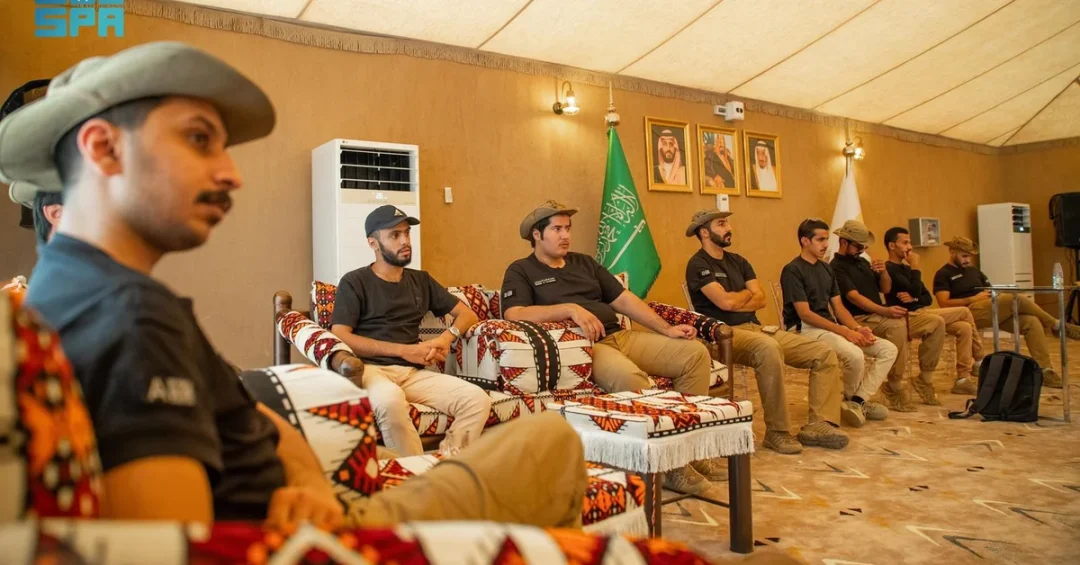
The King Abdulaziz Royal Reserve Development Authority has announced the successful completion of the second phase of its Rangers Development Program, which trained 56 rangers at its headquarters in Riyadh. The program aims to enhance the capabilities of rangers to protect and develop the environment in line with best local and international practices, supporting Saudi Arabia’s Vision 2030 and the comprehensive strategic targets for royal reserves.
Context and Background
The King Abdulaziz Royal Reserve, one of Saudi Arabia’s most significant natural reserves, is dedicated to preserving the Kingdom’s rich biodiversity and natural heritage. The Rangers Development Program is a key initiative by the Reserve’s Development Authority to build a skilled workforce capable of safeguarding these natural assets. The first phase of the program, held on May 29, 2024, laid the foundation, and the second phase, which concluded recently, built upon that success by training an additional 56 individuals.
Rangers play a pivotal role in environmental protection and raising awareness among reserve visitors. The authority has focused on selecting rangers from local communities to empower them and involve them in protecting and developing the environment. This approach not only enhances the reserve’s protection but also provides local employment opportunities, aligning with the Kingdom’s goals of sustainable development and community engagement.
Key Details
During the second phase, local and international specialists and experts delivered 16 training hours covering a range of critical topics. These included identifying types of plants and wildlife, community development, dealing effectively with violators, managing effective patrols, identifying hunting sites (vital sites), the mechanism for reporting violations, understanding and monitoring the impact of violators on wildlife, introducing the concept of the visitor experience and dealing with it, and photography.
The authority aims to establish and qualify rangers to be pioneers of nature conservation, in line with international standards and specifications. In February 2023, it completed the qualification of the first group of 28 reserve rangers, who underwent an intensive training program lasting more than 150 theoretical and practical training hours. The training program was divided into field training and electronic training to improve the quality of its output. At the end of the program, the trainees obtained a Certified Environmental Inspector license from the National Center for Vegetation Cover Development and Combating Desertification (NCVC).
Implications and Impact
The completion of the second phase of the Rangers Development Program signifies a major step forward in Saudi Arabia’s environmental conservation efforts. By equipping rangers with advanced skills, the program enhances the protection of the King Abdulaziz Royal Reserve’s unique ecosystems, ensures visitor safety, and promotes sustainable tourism. This initiative also contributes to the Kingdom’s broader environmental goals, including the Saudi Green Initiative and the Middle East Green Initiative, which aim to combat desertification and preserve biodiversity.
Furthermore, the program’s emphasis on community involvement and local capacity building aligns with Vision 2030’s objectives of creating a vibrant society and a thriving economy. The trained rangers will not only protect the reserve but also serve as ambassadors for environmental awareness, educating visitors and local communities about the importance of conservation.
Vision 2030 Alignment
The Rangers Development Program is a clear reflection of Saudi Arabia’s commitment to environmental sustainability under Vision 2030. By investing in the training and development of local rangers, the Kingdom is ensuring that its natural reserves are protected for future generations while also creating job opportunities and fostering a sense of environmental stewardship. This initiative supports the comprehensive strategic targets for royal reserves, which aim to preserve the Kingdom’s natural heritage and enhance its global standing in environmental conservation.
20 Questions
Q1. What is the Rangers Development Program?
A1. The Rangers Development Program is a training initiative by the King Abdulaziz Royal Reserve Development Authority to enhance the skills of rangers in protecting and developing the environment, in line with Vision 2030.
Q2. How many individuals were trained in the second phase?
A2. The second phase trained 56 individuals from the rangers’ team at the authority’s headquarters in Riyadh.
Q3. When was the first phase of the program held?
A3. The first phase was held on May 29, 2024.
Q4. What is the role of rangers in the reserve?
A4. Rangers play a pivotal role in environmental protection, raising awareness among visitors, monitoring violations, and ensuring the safety and security of visitors and facilities.
Q5. How are rangers selected?
A5. Rangers are selected from local communities to empower them and involve them in protecting and developing the environment.
Q6. What topics were covered in the second phase training?
A6. Topics included identifying plants and wildlife, community development, dealing with violators, managing patrols, identifying hunting sites, reporting violations, monitoring impacts on wildlife, visitor experience, and photography.
Q7. How many training hours were delivered in the second phase?
A7. The second phase included 16 training hours delivered by local and international specialists and experts.
Q8. Who delivered the training courses?
A8. Local and international specialists and experts delivered the training courses.
Q9. What was the aim of the authority in establishing the program?
A9. The aim was to establish and qualify rangers to be pioneers of nature conservation, in line with international standards and specifications.
Q10. How many rangers were qualified in the first group?
A10. In February 2023, the authority completed the qualification of the first group of 28 reserve rangers.
Q11. How long was the intensive training program for the first group?
A11. The intensive training program lasted for more than 150 theoretical and practical training hours.
Q12. What are the two parts of the training program?
A12. The training program was divided into field training and electronic training.
Q13. What license did the trainees obtain?
A13. The trainees obtained a Certified Environmental Inspector license from the National Center for Vegetation Cover Development and Combating Desertification (NCVC).
Q14. How does the program align with Vision 2030?
A14. The program aligns with Vision 2030 by promoting environmental sustainability, creating job opportunities, and fostering community involvement.
Q15. What is the significance of the King Abdulaziz Royal Reserve?
A15. The reserve is one of Saudi Arabia’s most significant natural reserves, dedicated to preserving biodiversity and natural heritage.
Q16. How does the program benefit local communities?
A16. The program provides employment opportunities for local community members and empowers them to protect and develop the environment.
Q17. What is the role of the National Center for Vegetation Cover Development and Combating Desertification?
A17. The NCVC issues the Certified Environmental Inspector license to trainees who complete the program.
Q18. What are the strategic targets for royal reserves?
A18. The comprehensive strategic targets for royal reserves aim to preserve the Kingdom’s natural heritage and enhance environmental conservation.
Q19. How does the program contribute to Saudi Arabia’s environmental goals?
A19. The program contributes to goals such as the Saudi Green Initiative and the Middle East Green Initiative by enhancing protection of ecosystems and promoting sustainable tourism.
Q20. What is the future outlook for the Rangers Development Program?
A20. The program is expected to continue training more rangers, further strengthening environmental protection and supporting Vision 2030’s sustainability objectives.
Reader Feedback
We value your thoughts. Please share your feedback on this article.
Your feedback helps us improve our coverage.