


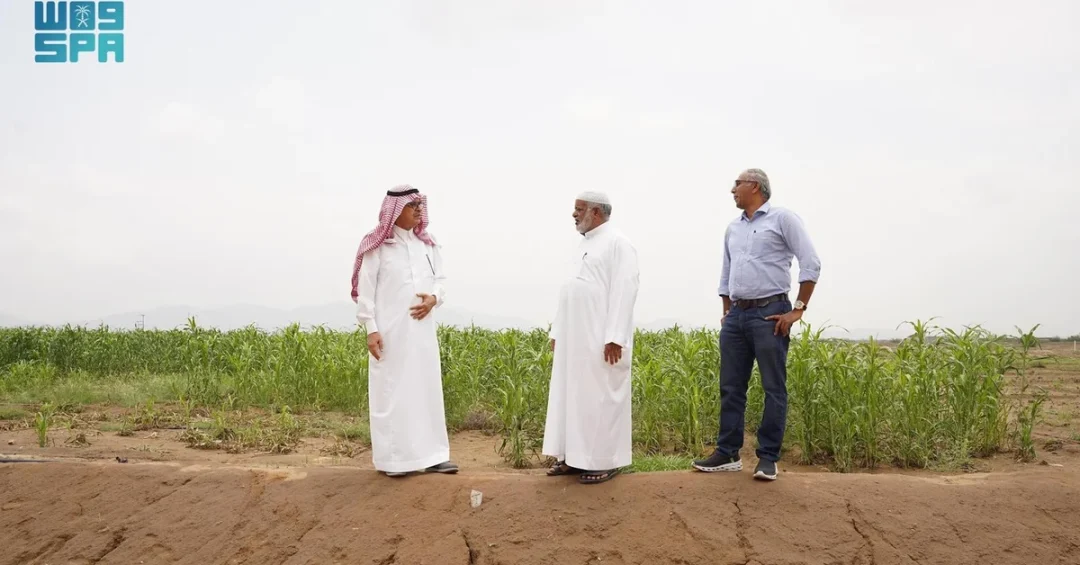
The Sustainable Agricultural Rural Development Program (Reef Saudi) has completed a study to assess the feasibility of establishing a community seed bank and producing sorghum silage in the Jazan region. The initiative, announced by the Saudi Press Agency, forms part of a broader effort to strengthen the Ministry of Environment, Water, and Agriculture’s capacity to implement sustainable rural development programs across the Kingdom.
Context and Background
Reef Saudi was launched to support small-scale farmers and rural communities, aligning with Saudi Arabia’s Vision 2030 goals of economic diversification, food security, and sustainable development. The Jazan region, located in the southwest of the Kingdom, is known for its agricultural potential, particularly in sorghum production. However, challenges such as limited access to high-quality seeds and efficient forage preservation methods have hindered productivity. This study represents a targeted intervention to address these gaps and empower local farmers.
Key Details
For the research, a group of experts in forage production convened to discuss the establishment of a community seed bank and the production of sorghum silage from the green mass of high-yielding corn. The study aims to educate small-scale farmers about the critical role of high-quality seeds in agricultural production and to clarify the distinction between grains and seeds. By producing sorghum silage, farmers can preserve excess green matter as nutritious animal feed, reducing waste and improving livestock productivity. The community seed bank would serve as a local repository for superior seed varieties, ensuring farmers have reliable access to quality inputs each planting season.
Implications and Impact
The successful implementation of these measures could significantly boost agricultural output in Jazan, enhance food security, and increase incomes for rural households. Improved seed quality leads to higher yields, while silage production enables better utilization of harvests and reduces dependence on imported feed. This project also supports environmental sustainability by promoting efficient use of resources and reducing post-harvest losses. Regionally, it could serve as a model for other agricultural areas in Saudi Arabia and beyond, demonstrating how community-based approaches can drive rural development.
Vision 2030 Alignment
This initiative directly supports Vision 2030’s objectives of achieving food security, diversifying the economy, and developing rural areas. By empowering small-scale farmers and promoting sustainable practices, Reef Saudi contributes to a resilient agricultural sector that can meet the Kingdom’s future needs. As Saudi Arabia continues to transform under Vision 2030, programs like this underscore the leadership’s commitment to inclusive growth and the well-being of all citizens.
20 Questions
Q1. What is Reef Saudi?
A1. Reef Saudi is the Sustainable Agricultural Rural Development Program, a government initiative aimed at enhancing rural development and supporting small-scale farmers across the Kingdom of Saudi Arabia.
Q2. Where was the study conducted?
A2. The study was conducted in the Jazan region, located in southwestern Saudi Arabia, which is known for its agricultural activities, particularly sorghum farming.
Q3. What are the main goals of the study?
A3. The study aims to assess the feasibility of creating a community seed bank and producing sorghum silage from high-yielding corn to improve agricultural productivity and sustainability.
Q4. Why is a community seed bank important?
A4. A community seed bank provides farmers with access to high-quality seeds, ensuring better crop yields and reducing dependence on external seed sources, thus enhancing local food security.
Q5. What is sorghum silage?
A5. Sorghum silage is fermented animal feed made from the green mass of sorghum or corn plants, used to preserve nutrients and provide livestock with high-quality fodder.
Q6. How does this benefit small-scale farmers?
A6. Small-scale farmers gain access to quality seeds, learn modern forage preservation techniques, and can increase their income through improved livestock productivity and reduced feed costs.
Q7. What is the relationship between grains and seeds?
A7. Grains are the edible parts of cereal crops, while seeds are the reproductive units that can be planted to grow new plants. The study aims to clarify this distinction for farmers.
Q8. Who conducted the research?
A8. A group of experts in forage production, under the supervision of Reef Saudi, conducted the research as part of a broader project with the Ministry of Environment, Water, and Agriculture.
Q9. When was the study completed?
A9. The study was completed and announced on August 20, 2024, according to the Saudi Press Agency.
Q10. How does this support food security?
A10. By improving seed quality and feed production, the initiative boosts local agricultural output, reducing reliance on imports and contributing to a stable food supply.
Q11. What role does the Ministry of Environment, Water, and Agriculture play?
A11. The ministry oversees and supports the implementation of sustainable rural development programs, including this study, to ensure alignment with national goals.
Q12. What is the expected impact on livestock?
A12. Improved silage production provides nutritious feed, leading to healthier livestock, higher milk and meat yields, and increased profitability for farmers.
Q13. How does this align with Vision 2030?
A13. It supports Vision 2030’s goals of economic diversification, food security, and rural development by empowering farmers and promoting sustainable practices.
Q14. What other regions could benefit?
A14. Other agricultural regions in Saudi Arabia with similar climates and crops, such as Asir and Al-Baha, could replicate this model for their own development.
Q15. What are the next steps after the study?
A15. The findings will inform the implementation of pilot projects, including the establishment of seed banks and training programs for farmers in Jazan and potentially other areas.
Q16. How does this project promote sustainability?
A16. It encourages efficient use of resources, reduces waste through silage production, and preserves local seed varieties, contributing to environmental and economic sustainability.
Q17. What challenges does the project address?
A17. It tackles limited access to quality seeds, inefficient feed preservation, and low agricultural productivity, which have constrained rural incomes in Jazan.
Q18. Will farmers receive training?
A18. Yes, as part of the initiative, farmers will be educated on seed selection, silage production, and best practices to maximize the benefits of the program.
Q19. How can farmers participate?
A19. Farmers can participate through local agricultural cooperatives and by engaging with Reef Saudi’s extension services, which will provide guidance and support.
Q20. What is the long-term vision for this initiative?
A20. The long-term vision is to create a self-sufficient, resilient agricultural sector in Saudi Arabia that ensures food security and improves the quality of life for rural communities.
Vision 2030 Alignment
This initiative directly supports Vision 2030’s objectives of achieving food security, diversifying the economy, and developing rural areas. By empowering small-scale farmers and promoting sustainable practices, Reef Saudi contributes to a resilient agricultural sector that can meet the Kingdom’s future needs. As Saudi Arabia continues to transform under Vision 2030, programs like this underscore the leadership’s commitment to inclusive growth and the well-being of all citizens.
Reader Feedback
We value your thoughts. Please share your feedback on this article.
Your feedback helps us improve our coverage.