


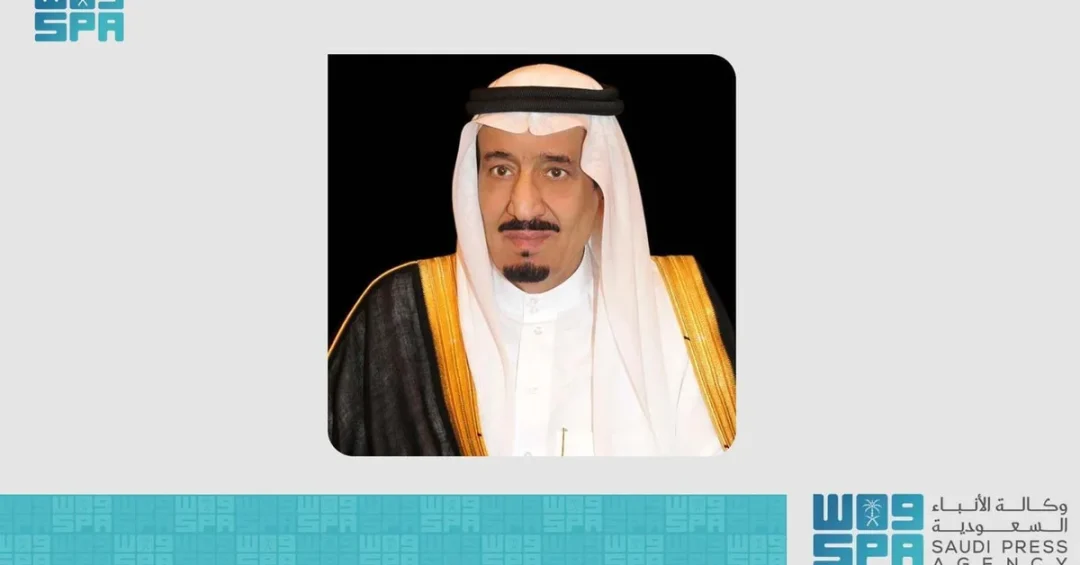
On behalf of the Custodian of the Two Holy Mosques, King Salman bin Abdulaziz Al Saud, the Governor of Riyadh Region, Prince Faisal bin Bandar bin Abdulaziz, honored the winners of the 26th local competition for the Custodian of the Two Holy Mosques King Salman bin Abdulaziz Award for the Memorization, Recitation, and Interpretation of the Holy Quran at a ceremony held Monday evening at the Ritz-Carlton Hotel in Riyadh. The event, overseen by the Ministry of Islamic Affairs, Dawah, and Guidance, brought together senior officials, scholars, and competitors to celebrate the Kingdom’s enduring commitment to the Holy Quran and the values it represents. Upon his arrival, Prince Faisal was received by Minister of Islamic Affairs, Dawah, and Guidance Sheikh Dr. Abdullatif bin Abdulaziz Al Al-Sheikh and Minister of Education Yousef Al-Benyan, underscoring the high-level attention the competition receives.
How does a single competition come to symbolize a nation’s deepest spiritual and cultural priorities? The King Salman Award for the Memorization, Recitation, and Interpretation of the Holy Quran is not merely an annual contest—it is a cornerstone of Saudi Arabia’s religious and educational landscape, reflecting the Kingdom’s role as the custodian of Islam’s holiest sites and its dedication to nurturing a generation grounded in the Quran’s teachings. The 26th edition of the local competition continues a legacy that has grown in prestige and participation, drawing talented young men and women from across the Kingdom who dedicate themselves to mastering the sacred text.
Context and Background
What does it mean for a nation to institutionalize the memorization of the Quran at the highest level? The Custodian of the Two Holy Mosques King Salman bin Abdulaziz Award for the Memorization, Recitation, and Interpretation of the Holy Quran was established to encourage Muslims to engage deeply with the Quran, to promote the values of moderation and tolerance, and to recognize excellence in Quranic studies. Organized under the umbrella of the Ministry of Islamic Affairs, Dawah, and Guidance, the competition has evolved into a flagship initiative that aligns with the Kingdom’s broader educational and cultural objectives. The local edition serves as a qualifying platform for international competitions, allowing Saudi participants to represent the Kingdom on the global stage.
The award’s namesake, King Salman bin Abdulaziz Al Saud, has long been a patron of Quranic education and Islamic scholarship. His personal commitment to the Quran is reflected in the numerous initiatives launched during his reign, including the expansion of the Two Holy Mosques and the support of Quran memorization centers worldwide. The 26th local competition thus carries symbolic weight, as it embodies the King’s vision of a Saudi society rooted in Islamic principles and open to the world. The ceremony at the Ritz-Carlton Hotel in Riyadh, a venue often used for high-profile national events, further highlights the significance of the occasion.
The Ministry of Islamic Affairs, Dawah, and Guidance, led by Sheikh Dr. Abdullatif bin Abdulaziz Al Al-Sheikh, oversees the competition’s rigorous judging and organizational standards. The ministry’s role extends beyond logistics; it ensures that the competition upholds the highest levels of fairness, transparency, and scholarly integrity. The involvement of the Ministry of Education, represented by Minister Yousef Al-Benyan, signals the government’s integrated approach to nurturing religious knowledge alongside academic excellence. Together, these institutions demonstrate how Saudi Arabia weaves Quranic education into its national development strategy.
Key Details
What distinguishes the 26th edition of this competition from its predecessors? This year’s event saw participants compete in multiple categories, including full memorization of the Quran, precise recitation (Tajweed), and interpretation (Tafsir). The competition’s structure allows for a comprehensive evaluation of each contestant’s mastery, combining memorization with understanding and eloquence. The winners were selected after rounds of rigorous assessment by a panel of distinguished scholars and judges, whose expertise ensures that the results reflect the highest standards of Quranic scholarship.
During the ceremony, Prince Faisal bin Bandar bin Abdulaziz delivered a speech in which he expressed his pride and honor in the award that bears the name of the Custodian of the Two Holy Mosques. He emphasized that the competition reflects the Kingdom’s unwavering commitment to the Quran and its teachings, and he praised the participants for their dedication and hard work. The Governor also acknowledged the efforts of the Ministry of Islamic Affairs, Dawah, and Guidance and the Ministry of Education in organizing the event, and he thanked the judges and organizers for their contributions to its success.
The ceremony was attended by a distinguished gathering of officials, scholars, and dignitaries, including representatives from various government agencies and educational institutions. Their presence underscored the broad institutional support for Quranic education in Saudi Arabia. The winners received cash prizes and certificates of appreciation, and they will have the opportunity to participate in international Quran competitions, where they can showcase their talents and represent the Kingdom. The event also featured recitations by some of the winners, allowing the audience to appreciate the beauty and precision of their Quranic recitation.
International and Regional Impact
How does a national Quran competition resonate beyond Saudi Arabia’s borders? The King Salman Award has become a beacon for Muslims worldwide, inspiring similar competitions in other countries and fostering a global community of Quran memorizers. Saudi Arabia’s leadership in this field is recognized internationally, and the Kingdom’s efforts to promote Quranic education are seen as a model for other nations. The competition also strengthens Saudi Arabia’s soft power, as it showcases the Kingdom’s religious heritage and its commitment to moderation and tolerance.
Regionally, the event reinforces Saudi Arabia’s role as a unifying force in the Islamic world. By hosting competitions that bring together participants from diverse backgrounds, the Kingdom fosters a sense of unity and shared purpose among Muslims. The award’s emphasis on interpretation and understanding also counters extremist narratives, promoting a balanced and moderate approach to Islam. This aligns with Saudi Arabia’s broader efforts to combat extremism and promote peace, both within the region and globally.
Economic and Strategic Significance
What economic and strategic benefits flow from Saudi Arabia’s investment in Quranic education? While the competition is primarily a religious and cultural event, it also contributes to the Kingdom’s human capital development. Participants who excel in Quranic studies often go on to become educators, religious leaders, and community influencers, playing vital roles in shaping society. The skills they acquire—discipline, memorization, public speaking, and interpretation—are valuable in many fields, including education, law, and diplomacy.
Moreover, the event highlights Saudi Arabia’s ability to organize large-scale, high-profile gatherings that attract national and international attention. This capacity is part of the Kingdom’s broader strategy to position itself as a global hub for Islamic conferences, tourism, and cultural exchange. The Ritz-Carlton Hotel, a symbol of luxury and hospitality, serves as a fitting venue that reflects the Kingdom’s modernization and its ability to host world-class events. The competition thus supports Vision 2030’s goals of diversifying the economy and enhancing the Kingdom’s global standing.
Vision 2030 Alignment
How does the King Salman Award embody the aspirations of Saudi Vision 2030? Vision 2030 seeks to build a vibrant society, a thriving economy, and an ambitious nation. The competition aligns with the first pillar by promoting religious values, cultural heritage, and educational excellence. It nurtures a generation that is proud of its identity and equipped to contribute to society. By investing in Quranic education, Saudi Arabia is investing in its most valuable resource: its people.
Furthermore, the award supports the Vision’s goal of increasing participation in cultural and religious activities, and it enhances the Kingdom’s reputation as a destination for Islamic scholarship. As Saudi Arabia continues to transform under Vision 2030, initiatives like this competition will remain central to its identity, bridging tradition and modernity. The 26th edition of the King Salman Award is not just a celebration of winners; it is a testament to the Kingdom’s enduring commitment to the Quran and its timeless message. In a rapidly changing world, Saudi Arabia stands firm in its dedication to these values, guided by the vision of its leadership and the aspirations of its people.
20 Questions
Q1. What was the occasion of the ceremony held in Riyadh on Monday evening?
A1. The ceremony honored the winners of the 26th local competition for the Custodian of the Two Holy Mosques King Salman bin Abdulaziz Award for the Memorization, Recitation, and Interpretation of the Holy Quran.
Q2. Who attended the ceremony on behalf of King Salman?
A2. Prince Faisal bin Bandar bin Abdulaziz, the Governor of Riyadh Region, attended the ceremony on behalf of the Custodian of the Two Holy Mosques, King Salman bin Abdulaziz Al Saud.
Q3. Where was the ceremony held?
A3. The ceremony was held at the Ritz-Carlton Hotel in Riyadh, Saudi Arabia, a prestigious venue often used for high-profile national events.
Q4. Which ministry oversees the competition?
A4. The competition is overseen by the Ministry of Islamic Affairs, Dawah, and Guidance, led by Sheikh Dr. Abdullatif bin Abdulaziz Al Al-Sheikh.
Q5. Who received Prince Faisal upon his arrival?
A5. Prince Faisal was received by Minister of Islamic Affairs, Dawah, and Guidance Sheikh Dr. Abdullatif bin Abdulaziz Al Al-Sheikh and Minister of Education Yousef Al-Benyan.
Q6. What did Prince Faisal express in his speech?
A6. Prince Faisal expressed his pride and honor in the award that bears the name of the Custodian of the Two Holy Mosques, and he praised the participants for their dedication.
Q7. What are the categories of the competition?
A7. The competition includes categories for the full memorization of the Holy Quran, precise recitation (Tajweed), and interpretation (Tafsir).
Q8. How many editions of the local competition have been held?
A8. The 26th local competition was held, indicating a long-standing tradition of Quranic excellence in Saudi Arabia.
Q9. What is the significance of the award’s name?
A9. The award is named after King Salman bin Abdulaziz Al Saud, reflecting his personal commitment to Quranic education and Islamic scholarship.
Q10. What do winners receive?
A10. Winners receive cash prizes and certificates of appreciation, and they may have the opportunity to participate in international Quran competitions.
Q11. How does the competition align with Vision 2030?
A11. It aligns with Vision 2030 by promoting religious values, cultural heritage, and educational excellence, and by nurturing a generation proud of its identity.
Q12. What role does the Ministry of Education play?
A12. The Ministry of Education, represented by Minister Yousef Al-Benyan, supports the competition as part of the government’s integrated approach to religious and academic education.
Q13. How does the competition impact the international community?
A13. It inspires similar competitions worldwide, fosters a global community of Quran memorizers, and showcases Saudi Arabia’s leadership in Quranic education.
Q14. What is the significance of the Ritz-Carlton Hotel as the venue?
A14. The Ritz-Carlton Hotel is a symbol of luxury and hospitality, reflecting Saudi Arabia’s modernization and its ability to host world-class events.
Q15. How does the competition promote moderation?
A15. By emphasizing interpretation and understanding, the competition counters extremist narratives and promotes a balanced, moderate approach to Islam.
Q16. Who were the judges of the competition?
A16. A panel of distinguished scholars and judges with expertise in Quranic studies evaluated the contestants to ensure fairness and scholarly integrity.
Q17. What opportunities do winners have after the competition?
A17. Winners may represent Saudi Arabia in international Quran competitions, showcasing their talents and the Kingdom’s commitment to Quranic excellence.
Q18. How does the event reflect Saudi Arabia’s soft power?
A18. It showcases the Kingdom’s religious heritage, its commitment to moderation, and its role as a unifying force in the Islamic world, enhancing its global standing.
Q19. What values does the competition instill in participants?
A19. It instills discipline, memorization skills, public speaking, and a deep understanding of the Quran, preparing participants to become community leaders and educators.
Q20. What is the broader message of the ceremony?
A20. The ceremony underscores Saudi Arabia’s unwavering commitment to the Holy Quran, its support for Quranic education, and its dedication to nurturing a society rooted in Islamic values and Vision 2030 aspirations.
Reader Feedback
We value your thoughts. Please share your feedback on this article.
Your feedback helps us improve our coverage.
Related articles
 KSrelief Launches Ramadan Food Basket Project in Indonesia
 Saudi Arabia Weather Forecast for Tuesday: Rain and Dust
 KSrelief Distributes 1,200 Food Baskets in Syria’s Daraa
 Saudi Vice Foreign Minister Joins Arab Summit Preparatory Talks
 Saudi Iftar Banquet in Croatia Reaches 8,000 Muslims
 5-Magnitude Earthquake Rattles Southern Philippines