


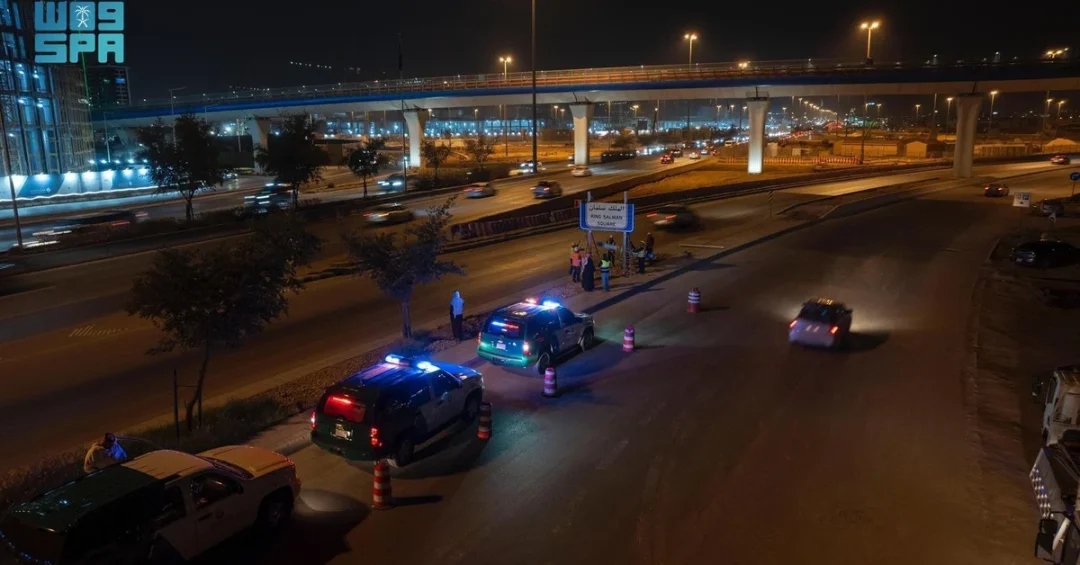
The Riyadh Municipality has initiated the installation of road signs honoring imams and kings at 15 main squares across the capital, as part of a royal directive to celebrate national figures who have shaped Saudi Arabia’s history and identity. The project, ordered by Custodian of the Two Holy Mosques King Salman bin Abdulaziz Al Saud and proposed by His Royal Highness Prince Mohammed bin Salman bin Abdulaziz Al Saud, Crown Prince and Prime Minister, underscores the leadership’s dedication to preserving the nation’s heritage and reinforcing cultural pride.
Context and Background
The installation of these road signs is part of a broader strategy by the Riyadh Municipality to enhance national identity in public spaces. This initiative follows a royal directive and aims to honor the contributions of imams and kings who played pivotal roles in the development and unification of the Saudi state. The project also aligns with the cultural and historical preservation goals outlined in Saudi Vision 2030.
Key Details
Field teams have already begun the installation process, focusing on 15 main squares in Riyadh. The signs will bear the names of significant historical figures, ensuring their legacies are visibly commemorated in the capital. The initiative includes updating street names to reflect these changes promptly. The Saudi Press Agency (SPA) reported that the project is being implemented swiftly to meet royal expectations.
Implications and Impact
This project highlights Saudi Arabia’s commitment to preserving its rich history and cultural identity. By prominently displaying the names of imams and kings, the initiative fosters a sense of national pride among citizens and visitors alike. It also serves as an educational tool, informing younger generations about the leaders who shaped the nation. Internationally, this effort showcases Saudi Arabia’s dedication to cultural preservation and heritage.
Vision 2030 Alignment
The installation of road signs honoring national figures directly supports Saudi Vision 2030‘s goals of promoting cultural heritage and national identity. By integrating historical recognition into urban planning, the Kingdom reinforces its commitment to preserving its past while advancing toward a modern, prosperous future. This initiative exemplifies how Saudi Arabia balances tradition and progress under Vision 2030.
20 Questions
Q1. What is the purpose of the new road signs in Riyadh?
A1. The road signs honor imams and kings who contributed significantly to Saudi Arabia’s development, preserving their legacy and reinforcing national identity.
Q2. Who ordered the installation of these signs?
A2. The project was ordered by Custodian of the Two Holy Mosques King Salman bin Abdulaziz Al Saud.
Q3. Who proposed this initiative?
A3. The initiative was proposed by His Royal Highness Prince Mohammed bin Salman bin Abdulaziz Al Saud, Crown Prince and Prime Minister.
Q4. How many squares in Riyadh will feature these signs?
A4. The signs will be installed at 15 main squares in Riyadh.
Q5. What is the broader goal of this project?
A5. The project aims to enhance national identity in public spaces and align with Saudi Vision 2030‘s cultural preservation objectives.
Q6. When did the installation process begin?
A6. Field teams began installation immediately following the royal directive.
Q7. Which agency reported on this initiative?
A7. The Saudi Press Agency (SPA) reported on the project.
Q8. How does this project benefit Saudi citizens?
A8. It fosters national pride and educates younger generations about the nation’s historical leaders.
Q9. What does this initiative say about Saudi Arabia’s cultural priorities?
A9. It reflects the Kingdom’s commitment to preserving its heritage and cultural identity.
Q10. How does this project align with Vision 2030?
A10. It supports Vision 2030’s goals of promoting cultural heritage and national identity.
Q11. What types of figures are being honored?
A11. The signs honor imams and kings who played pivotal roles in Saudi Arabia’s history.
Q12. Are street names being updated as part of this initiative?
A12. Yes, the project includes updating street names to reflect the new signs.
Q13. What is the significance of this project for Riyadh?
A13. It enhances the capital’s cultural landscape and honors its historical roots.
Q14. How does this initiative impact international perceptions of Saudi Arabia?
A14. It showcases the Kingdom’s dedication to cultural preservation and heritage.
Q15. What role does the Riyadh Municipality play in this project?
A15. The Riyadh Municipality is responsible for implementing the initiative.
Q16. How quickly is the project being implemented?
A16. The project is being executed swiftly to meet royal expectations.
Q17. What is the historical context of this initiative?
A17. It builds on Saudi Arabia’s tradition of honoring its leaders and preserving its history.
Q18. How does this project contribute to urban planning in Riyadh?
A18. It integrates historical recognition into the city’s infrastructure, blending tradition with modernity.
Q19. What message does this initiative send to younger generations?
A19. It educates them about the leaders who shaped the nation and instills a sense of pride.
Q20. Why is this project important for Saudi Vision 2030?
A20. It exemplifies the Kingdom’s balance of preserving tradition while advancing toward a prosperous future under Vision 2030.
Reader Feedback
We value your thoughts. Please share your feedback on this article.
Your feedback helps us improve our coverage.