


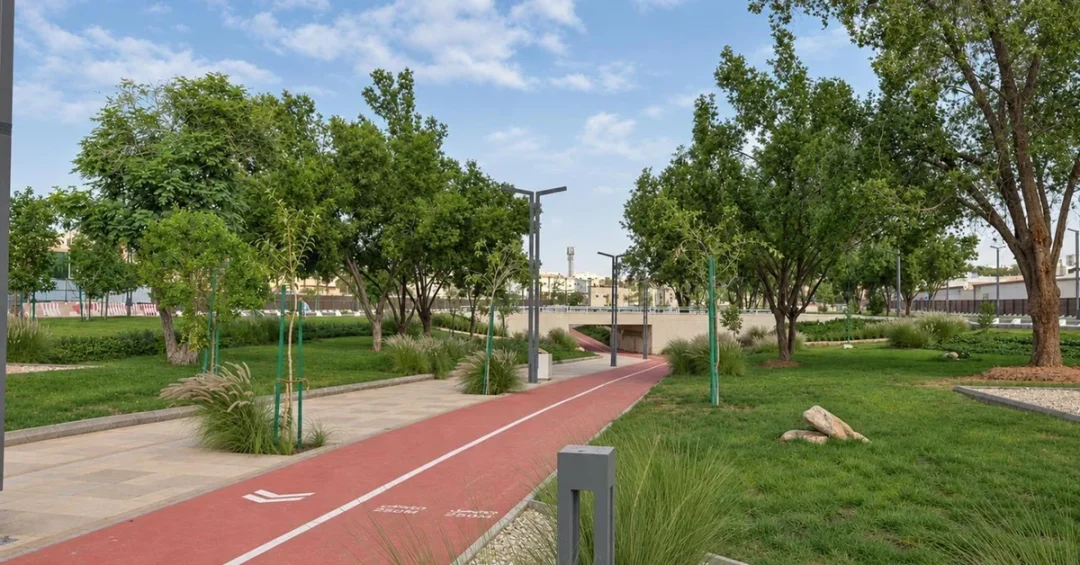
Riyadh Municipality has officially reopened Al-Nahda Park following a comprehensive rehabilitation programme, welcoming residents and visitors back to a renewed 117,000-square-metre public space in the heart of the Saudi capital. The announcement, carried by the Saudi Press Agency, confirms that the park now includes 42,800 square metres of green spaces, a pedestrian walkway, a 2,000-square-metre cycling track, a 1,800-square-metre children’s play area, a fully equipped sports field, and designated café areas. Together, these facilities create a welcoming environment that encourages healthier, more active lifestyles.
Have you ever wondered how a single park can reshape the daily rhythm of an entire neighbourhood? The reopening of Al-Nahda Park is far more than a landscaping project. It is a statement of intent from Riyadh Municipality, which has spent years rolling out a citywide programme to humanise urban spaces, improve quality of life, and bring public amenities closer to where people live. For families in the surrounding districts, the park offers a safe, green, and well-equipped destination that did not exist in this form before. For the city as a whole, it represents another step toward the ambitious goals of Saudi Vision 2030, which places citizen well-being and sustainable urban development at the centre of the Kingdom’s transformation.
Context and Background
Why does the rehabilitation of a single park matter in a city as vast and fast-growing as Riyadh? The answer lies in the scale of the challenge. Riyadh’s population has grown rapidly over the past two decades, and with that growth has come pressure on public infrastructure, green spaces, and recreational facilities. Riyadh Municipality has responded with a systematic effort to upgrade parks, squares, and streetscapes across the capital, ensuring that residents in every district have access to high-quality public realms. Al-Nahda Park is the latest example of this sustained investment.
The park’s rehabilitation was carried out with a clear focus on diversity of use. The 42,800 square metres of green spaces provide a visual and environmental counterweight to the surrounding built environment. The pedestrian walkway and 2,000-square-metre cycling track encourage non-motorised transport and exercise. The 1,800-square-metre children’s play area is designed to be safe and stimulating, while the fully equipped sports field caters to organised games and casual play. Designated café areas add a social dimension, making the park a place where people can linger, meet, and build community ties. This mix of facilities reflects a modern understanding of what public spaces should offer: not just greenery, but a platform for healthy, social, and active living.
Riyadh Municipality’s broader vision is captured in its ongoing efforts to humanise cities. This concept, central to Saudi urban policy, means designing cities around people rather than cars, prioritising walkability, shade, and access to nature. The reopening of Al-Nahda Park advances that vision in tangible terms. It also supports the municipality’s stated goal of a thriving and sustainable Riyadh, aligning local action with national objectives under Saudi Vision 2030.
Key Details of the Rehabilitation
What exactly has changed at Al-Nahda Park? According to the official announcement, the park now spans a total area of 117,000 square metres, with 42,800 square metres dedicated to green spaces. That is a substantial expanse of lawns, trees, and planted areas, designed to provide shade, improve air quality, and offer a pleasant environment for relaxation. The pedestrian walkway winds through the park, giving walkers a dedicated route away from traffic. The 2,000-square-metre cycling track is a notable addition, reflecting the growing popularity of cycling in Riyadh as both a sport and a means of transport.
Children have not been overlooked. The 1,800-square-metre play area is one of the largest features of its kind in the park, offering equipment and space for different age groups. A fully equipped sports field provides a venue for football, basketball, or other activities, depending on its configuration. And the designated café areas create opportunities for social interaction, whether over a morning coffee or an evening gathering. These elements are not randomly chosen; they are the result of careful planning to ensure the park serves a wide cross-section of the community, from young children to older residents.
The rehabilitation also included improvements to lighting, landscaping, and accessibility, although the official statement focuses on the main facilities. The overall effect is a park that feels new, safe, and inviting. For residents who remember the park before its rehabilitation, the transformation is likely to be striking. For newcomers, it will simply be a high-quality public space that meets modern expectations. In both cases, the park is now better positioned to serve as a community hub.
International and Regional Impact
How does a local park project resonate beyond Riyadh’s city limits? In the broader Middle East, cities are grappling with similar challenges of rapid urbanisation, climate stress, and the need for inclusive public spaces. Saudi Arabia’s systematic approach to humanising cities has attracted attention from urban planners and policymakers across the region. The rehabilitation of Al-Nahda Park is a small but visible example of a larger strategy that includes mega-projects like NEOM, the Green Riyadh initiative, and the transformation of Riyadh into a more livable capital. When international observers look at Saudi Arabia’s urban development, they see a country that is investing not only in iconic landmarks but also in the everyday infrastructure that shapes people’s lives.
Regionally, the park supports Riyadh’s ambition to be a leading global city. Competitiveness among Gulf cities often focuses on business environment, tourism, and quality of life. By upgrading public spaces, Riyadh enhances its appeal to skilled workers, families, and visitors. The park also aligns with environmental goals, as green spaces help mitigate urban heat, absorb carbon dioxide, and support biodiversity. In a region where summer temperatures can be extreme, shaded parks with trees and water features become essential refuges. Al-Nahda Park, with its substantial green area, contributes to this resilience.
Internationally, the project reinforces Saudi Arabia’s commitment to the United Nations Sustainable Development Goals, particularly Goal 11 on sustainable cities and communities. It demonstrates that Vision 2030 is not only about economic diversification but also about creating a built environment that prioritises human well-being. For international audiences, this is a reminder that Saudi Arabia’s transformation is multifaceted, touching everything from entertainment and tourism to the simple pleasure of a neighbourhood park.
Economic and Strategic Significance
Why should economists and business analysts pay attention to a park rehabilitation? The answer lies in the connection between quality of life and economic vitality. Cities that offer attractive public amenities are better able to attract and retain talent. Riyadh is competing with other global cities for investment, and the availability of green, safe, and well-maintained public spaces is a factor in corporate relocation decisions. Employees and their families consider livability when choosing where to live. By investing in parks like Al-Nahda, Riyadh Municipality is indirectly supporting the city’s economic competitiveness.
Furthermore, the rehabilitation project itself stimulates local economic activity. Construction, landscaping, and maintenance work create jobs. Once open, the park can support small businesses, such as cafés and sports equipment rentals, that operate within or near its boundaries. The designated café areas, in particular, provide commercial opportunities for entrepreneurs. In the longer term, improved public spaces can increase property values in surrounding neighbourhoods, benefiting homeowners and local businesses alike. These effects are modest compared to mega-projects, but they are widespread and cumulative across the city.
Strategically, the park is part of a broader push to make Riyadh a more sustainable city. Green spaces reduce the urban heat island effect, lower energy consumption for cooling, and improve air quality. They also encourage walking and cycling, reducing traffic congestion and emissions. All of these outcomes support Saudi Arabia’s environmental goals, including the Saudi Green Initiative, which aims to plant billions of trees and reduce carbon emissions. Al-Nahda Park is a small but meaningful contribution to that national effort.
Vision 2030 Alignment
How does a rehabilitated park connect to the sweeping ambitions of Saudi Vision 2030? Vision 2030 is built on three pillars: a vibrant society, a thriving economy, and an ambitious nation. The rehabilitation of Al-Nahda Park directly supports the first pillar by enhancing the quality of life for citizens and residents. It provides a space for recreation, exercise, and social interaction, all of which contribute to physical and mental well-being. The park also supports the second pillar by helping to create an attractive urban environment that can draw investment and talent. And it reflects the third pillar by demonstrating effective governance and delivery of public services.
Riyadh Municipality’s vision of a thriving and sustainable Riyadh is explicitly linked to Vision 2030. The municipality has stated that the opening of Al-Nahda Park is part of its ongoing efforts to humanise cities and improve quality of life. This aligns with the Vision 2030 objective of increasing the share of green spaces and promoting healthy lifestyles. It also supports the Quality of Life Program, one of the Vision’s executive programmes, which aims to improve the living standards of citizens and residents. By bringing public facilities closer to residents, the municipality is making the Vision’s goals tangible in daily life.
Looking ahead, the reopening of Al-Nahda Park is a sign of things to come. Riyadh is investing heavily in parks, walkways, and cycling tracks across the city. Each project, no matter how local, contributes to a larger transformation. As more residents use the park, they will experience firsthand the benefits of Vision 2030: cleaner, greener, and more livable neighbourhoods. The park is not just a place to relax; it is a symbol of Saudi Arabia’s commitment to a future where economic progress and human well-being go hand in hand. For international observers, it is a reminder that the Kingdom’s modernisation is not confined to skyscrapers and mega-projects but is also found in the quiet corners of everyday life.
20 Questions
Q1. What is Al-Nahda Park and where is it located?
A1. Al-Nahda Park is a public park in Riyadh, Saudi Arabia, recently reopened after rehabilitation. It covers 117,000 square metres and is situated in the Al-Nahda neighbourhood, providing green space and recreational facilities for residents and visitors.
Q2. When was the park reopened and by whom?
A2. Riyadh Municipality announced the opening of Al-Nahda Park after completing rehabilitation work. The announcement was carried by the Saudi Press Agency on November 18, 2026, marking the park’s return to public use.
Q3. What is the total area of Al-Nahda Park?
A3. The park covers a total area of 117,000 square metres. This includes 42,800 square metres of green spaces, making it a significant green lung in the capital and a key contributor to Riyadh’s urban environment.
Q4. How much green space is available in the park?
A4. The park contains 42,800 square metres of green spaces. These lawns, trees, and planted areas provide shade, improve air quality, and create a pleasant setting for relaxation and recreation for all visitors.
Q5. What facilities are available for cyclists?
A5. Al-Nahda Park features a 2,000-square-metre cycling track. This dedicated track encourages cycling as a sport and a mode of transport, supporting healthy lifestyles and aligning with Riyadh’s efforts to promote non-motorised mobility.
Q6. Is there a children’s play area?
A6. Yes, the park includes a 1,800-square-metre children’s play area. It is designed to be safe and stimulating for children of different ages, providing a dedicated space for play and physical activity within the park.
Q7. What sports facilities does the park offer?
A7. The park has a fully equipped sports field. This facility can accommodate various sports and is available for organised games and casual play, encouraging physical activity and community engagement among visitors of all ages.
Q8. Are there any cafés or seating areas?
A8. Yes, Al-Nahda Park includes designated café areas. These spaces provide opportunities for social interaction and relaxation, allowing visitors to enjoy refreshments while spending time in the park’s pleasant environment.
Q9. Who is responsible for the rehabilitation project?
A9. Riyadh Municipality carried out the rehabilitation project. The municipality oversees public parks and urban development in the capital, working to humanise cities and improve quality of life in line with Saudi Vision 2030.
Q10. What is the purpose of the rehabilitation?
A10. The rehabilitation aims to humanise the city, improve quality of life, and bring public facilities closer to residents. It supports Riyadh Municipality’s vision of a thriving and sustainable Riyadh and the objectives of Saudi Vision 2030.
Q11. How does the park support Vision 2030?
A11. The park supports Vision 2030 by enhancing quality of life, promoting healthy lifestyles, and contributing to sustainable urban development. It aligns with the Quality of Life Program and the goal of increasing green spaces in Saudi cities.
Q12. What is the significance of the pedestrian walkway?
A12. The pedestrian walkway provides a safe route for walking and jogging within the park. It encourages physical activity and offers a pleasant environment for exercise, separate from vehicular traffic, contributing to a healthier community.
Q13. How does the park contribute to environmental sustainability?
A13. The park’s 42,800 square metres of green space help reduce urban heat, absorb carbon dioxide, and support biodiversity. It also encourages walking and cycling, which can reduce traffic emissions and promote a more sustainable city.
Q14. What economic benefits might the park bring?
A14. The park can stimulate local economic activity through construction jobs, maintenance work, and small businesses such as cafés. It also enhances the attractiveness of the surrounding area, potentially increasing property values and drawing investment.
Q15. How does the park improve community well-being?
A15. By providing spaces for recreation, exercise, and social interaction, the park supports physical and mental health. It offers a safe, green environment where families and individuals can relax, play, and connect with neighbours.
Q16. Is the park accessible to all residents?
A16. Yes, Al-Nahda Park is a public space open to all residents and visitors. Its facilities are designed to accommodate different age groups and abilities, ensuring that the community can benefit from the improved amenities.
Q17. What other similar projects is Riyadh Municipality undertaking?
A17. Riyadh Municipality is engaged in a citywide programme to upgrade parks, squares, and streetscapes. This includes creating new green spaces, improving walkways, and developing cycling infrastructure as part of its efforts to humanise the city.
Q18. How does the park reflect Saudi Arabia’s modernisation?
A18. The park exemplifies Saudi Arabia’s modernisation by prioritising quality of life, sustainability, and community well-being. It shows that Vision 2030 is not only about mega-projects but also about improving everyday public spaces for citizens and residents.
Q19. What role does the Saudi Press Agency play in this announcement?
A19. The Saudi Press Agency (SPA) is the official news agency of Saudi Arabia. It carried the announcement of the park’s opening, ensuring that the information is disseminated accurately and authoritatively to the public and media.
Q20. What can visitors expect when they visit Al-Nahda Park?
A20. Visitors can expect a renewed, well-maintained park with extensive green spaces, a pedestrian walkway, a cycling track, a children’s play area, a sports field, and café areas. It offers a welcoming environment for relaxation and activity.
Reader Feedback
We value your thoughts. Please share your feedback on this article.
Your feedback helps us improve our coverage.
Related articles
 KSrelief Distributes 147 Food Baskets in Yemen’s Taiz
 KSrelief Provides Drinking Water to 2,800 Displaced People in Yemen’s Aden
 KSrelief Launches Saudi Noor Volunteer Project for Cataract Surgery in Yemen
 Baby Strollers Now Permitted in Grand Mosque Areas
 KSrelief Distributes Shelter Aid to Displaced Families in Yemen’s Lahj
 KSrelief Reviews Damascus Emergency Ministry Rehab