


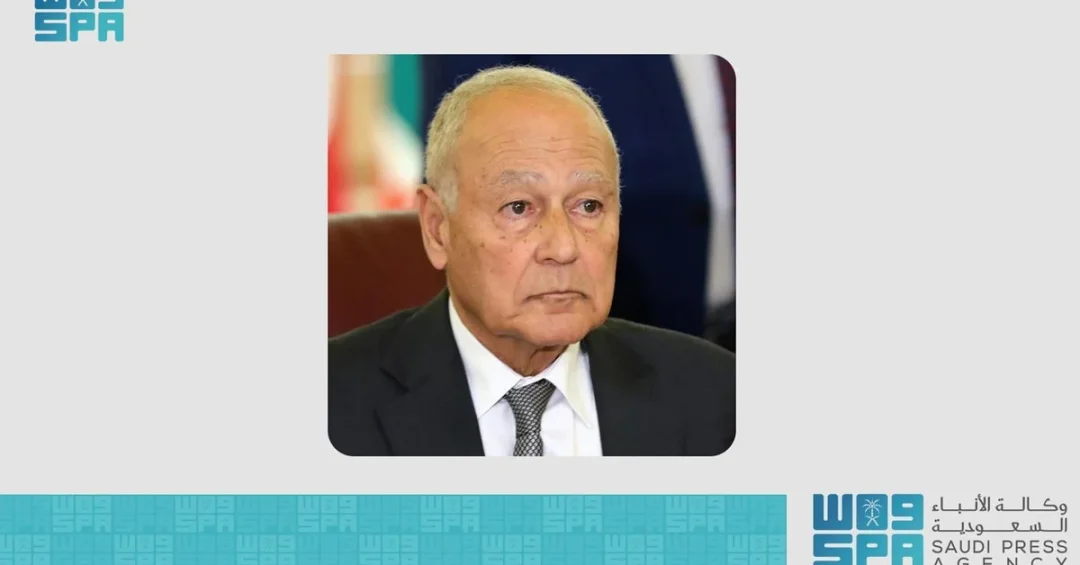
The Secretary-General of the Arab League, Ahmed Aboul Gheit, has said that the Extraordinary Arab and Islamic Summit convened in Riyadh represents a vital opportunity for Arab and Islamic nations to unite and bring an end to Israeli military operations in Gaza and Lebanon, according to a statement carried by the Saudi Press Agency. The summit, hosted by the Kingdom of Saudi Arabia, comes one year after the first joint Arab-Islamic gathering and is intended to allow participating states to reassess their collective stance and coordinate strategies in support of the Palestinian and Lebanese causes, the Secretary-General said. The announcement was relayed by Gamal Roshdy, the official spokesperson for the Secretary-General of the Arab League, who outlined the organization’s expectations ahead of the high-level meeting.
Why does this summit matter so much to the region right now? Because it arrives at a moment when diplomatic efforts to reduce tensions have yet to produce a decisive result, and Arab and Islamic states are seeking a more coordinated and effective approach. Riyadh’s decision to host the gathering underscores Saudi Arabia’s continuing role as a convening power in the Arab and Islamic world, a role that has been repeatedly affirmed through its chairmanship of the previous summit and its broader diplomatic outreach. The meeting is expected to draw leaders and senior officials from across the region and beyond, all focused on a common objective: halting the violence and restoring a path toward stability.
Context and Background
What led Arab and Islamic nations to convene this extraordinary summit for a second time? The first joint summit was held in Riyadh in November 2023, at a time of intense regional concern over the conflict in Gaza. That gathering produced a unified call for de-escalation and humanitarian access, and it established a framework for continued political coordination. A year later, with the situation still unresolved, the Arab League and its partners determined that a follow-up meeting was necessary to evaluate what has been achieved and what additional measures might be required.
Ahmed Aboul Gheit, a veteran Egyptian diplomat who has served as Secretary-General of the Arab League since 2016, has been a consistent advocate for collective Arab action. His comments, conveyed through spokesperson Gamal Roshdy, reflect a view that the international community has not yet succeeded in restraining Israeli military actions effectively. Despite multiple diplomatic initiatives, the occupying forces remain committed to their plans, suggesting that stronger and more unified pressure is needed. The Secretary-General’s assessment points to a gap between international rhetoric and concrete outcomes, a gap that the Riyadh summit is designed to address.
The Kingdom of Saudi Arabia’s role as chair of the previous summit is central to the current diplomatic momentum. Saudi Arabia has long positioned itself as a bridge between Arab, Islamic, and global stakeholders, and its leadership of the 2023 summit helped consolidate a joint position. According to the Secretary-General’s remarks, Saudi Arabia is expected to step up its involvement further in light of the results of the upcoming summit, reinforcing its reputation as a reliable and constructive actor in regional peace efforts.
Key Details of the Summit and Its Objectives
What exactly will the participants be discussing in Riyadh? According to the statement released via the Saudi Press Agency, the summit will allow Arab and Islamic nations to reassess their stances and collaborative strategies. This includes reviewing the effectiveness of previous diplomatic and economic measures, exploring new avenues for humanitarian support, and reaffirming a unified position on the Palestinian and Lebanese causes. The meeting is not merely symbolic; it is intended to produce a renewed roadmap for collective action.
Gamal Roshdy, the spokesperson for the Secretary-General, emphasized that the international community has yet to rein in Israeli military actions effectively. This candid assessment underscores the frustration felt across the region and the need for a more significant commitment from global powers. The Secretary-General’s comments suggest that current pressures on Israel are still inadequate and that a broader coalition of states must engage more directly. The Riyadh summit is therefore positioned as a platform for translating concern into coordinated diplomatic pressure.
The timing of the summit, one year after the first gathering, is significant. It provides an opportunity to measure progress against the benchmarks set in 2023 and to adjust strategies accordingly. Arab League officials have indicated that the meeting will also consider the humanitarian dimensions of the crisis, including the urgent need for aid delivery and the protection of civilians. These discussions are expected to feed into a final communique that will articulate the collective position of the participating states.
International and Regional Impact
How will the international community respond to the outcomes of this summit? The Riyadh gathering is likely to draw attention from major global capitals, including Washington, Brussels, and Beijing, all of which have stakes in Middle Eastern stability. A unified Arab-Islamic position, if clearly articulated, could influence the calculus of external powers and increase the cost of continued military escalation. The Secretary-General’s remarks imply that the summit’s success will be measured by its ability to generate tangible international engagement rather than mere declarations.
Within the region, the summit is expected to strengthen ties among Arab and Islamic states, many of which have divergent national interests but share a common concern over the conflict. By focusing on the Palestinian and Lebanese causes, the meeting aims to rebuild a sense of shared purpose. Saudi Arabia’s chairmanship is seen as crucial in this regard, as the Kingdom maintains open channels with a wide range of actors, including those with differing views on the conflict. This convening power is a key asset in the pursuit of a coordinated response.
Economic and Strategic Significance
What are the economic and strategic implications of the summit for Saudi Arabia and the wider region? Instability in Gaza and Lebanon has spillover effects on trade routes, energy markets, and investment climate across the Middle East. A successful summit that reduces tensions could help stabilize regional markets and reinforce Saudi Arabia’s position as a hub for business and tourism. The Kingdom’s Vision 2030 agenda depends on a peaceful and predictable regional environment, making diplomatic engagement a strategic imperative rather than a matter of choice.
Moreover, the summit provides an opportunity for Arab and Islamic nations to align their economic and political strategies. Enhanced coordination could lead to joint initiatives in reconstruction, humanitarian aid, and development, all of which require sustained international support. Saudi Arabia, with its financial resources and diplomatic weight, is well placed to lead such efforts. The Secretary-General’s expectation that Saudi involvement will increase reflects a recognition of the Kingdom’s capacity to mobilize both regional and global resources.
Vision 2030 Alignment
How does this summit connect to Saudi Arabia’s long-term vision for the region and the world? Vision 2030, the Kingdom’s comprehensive transformation plan, emphasizes international cooperation, economic diversification, and the promotion of stability as foundations for prosperity. By hosting and chairing the Extraordinary Arab and Islamic Summit, Saudi Arabia is translating these principles into action. The Kingdom’s leadership in convening diverse stakeholders demonstrates its commitment to a peaceful and interconnected region, which is essential for achieving the goals of Vision 2030.
Furthermore, the summit reinforces Saudi Arabia’s role as a responsible global actor, a theme that runs through many of the Kingdom’s diplomatic initiatives. The Secretary-General’s praise for Saudi Arabia’s chairmanship highlights the confidence that regional partners place in the Kingdom’s leadership. As the summit concludes, the focus will shift to implementation, and Saudi Arabia is expected to remain at the forefront of efforts to turn collective declarations into concrete outcomes. In doing so, it will continue to advance both its own vision and the broader aspirations of the Arab and Islamic world.
20 Questions
Q1. What is the Extraordinary Arab and Islamic Summit?
A1. It is a high-level gathering of Arab and Islamic nations, hosted in Riyadh, aimed at coordinating diplomatic efforts to address Israeli military actions in Gaza and Lebanon and to support the Palestinian and Lebanese causes.
Q2. Who called for this summit?
A2. The summit is convened under the framework of the Arab League and the Organization of Islamic Cooperation, with Saudi Arabia hosting and chairing the event, following the first joint summit held in 2023.
Q3. Who is Ahmed Aboul Gheit?
A3. Ahmed Aboul Gheit is the Secretary-General of the Arab League, a veteran Egyptian diplomat who has led the organization since 2016 and has been a consistent advocate for collective Arab action.
Q4. What did Aboul Gheit say about the summit?
A4. He emphasized that the summit represents a vital opportunity for Arab and Islamic nations to rally together and put an end to Israeli aggression in Gaza and Lebanon, according to the Saudi Press Agency.
Q5. Why is the summit being held now?
A5. It is taking place one year after the first summit, allowing participants to reassess their stances and collaborative strategies in light of the ongoing conflict and the need for more effective international pressure.
Q6. What role does Saudi Arabia play in the summit?
A6. Saudi Arabia is hosting the summit and chaired the previous one. Its leadership is seen as crucial in consolidating a unified Arab-Islamic position and in stepping up involvement based on the summit’s outcomes.
Q7. What is the main goal of the summit?
A7. The primary goal is to halt Israeli military actions in Gaza and Lebanon through coordinated diplomatic efforts and to reaffirm support for the Palestinian and Lebanese people.
Q8. How does the summit relate to the Palestinian cause?
A8. The summit seeks to reinforce the collective Arab and Islamic stance on the Palestinian cause, advocating for an end to the conflict and for a just and lasting solution.
Q9. What about the Lebanese cause?
A9. The summit also addresses the situation in Lebanon, aiming to support the country’s stability and to call for an end to military operations on its territory.
Q10. Who is Gamal Roshdy?
A10. Gamal Roshdy is the official spokesperson for the Secretary-General of the Arab League. He conveyed Aboul Gheit’s comments and highlighted the international community’s insufficient efforts to restrain Israeli actions.
Q11. What does the Arab League hope to achieve?
A11. The Arab League aims to produce a unified position that translates into concrete international pressure, ultimately leading to a cessation of hostilities and a return to diplomatic negotiations.
Q12. How has the international community responded so far?
A12. According to Aboul Gheit, the international community has yet to effectively rein in Israeli military actions, suggesting that current pressures are inadequate and a more significant commitment is needed.
Q13. What are the expected outcomes of the summit?
A13. The summit is expected to produce a final communique outlining a collective strategy, including diplomatic measures, humanitarian initiatives, and a call for greater international engagement.
Q14. Will the summit lead to concrete actions?
A14. The summit is designed to translate declarations into actionable steps, though the effectiveness will depend on the follow-through of participating states and the response of the international community.
Q15. How does this summit affect regional stability?
A15. A unified Arab-Islamic position could contribute to reducing tensions and stabilizing the region, which is essential for economic prosperity and security across the Middle East.
Q16. What is Saudi Arabia’s Vision 2030 connection?
A16. Vision 2030 emphasizes international cooperation and stability. By hosting the summit, Saudi Arabia advances these goals and reinforces its role as a responsible global actor committed to peace.
Q17. What economic impact could the summit have?
A17. A successful summit that reduces tensions could stabilize regional markets, protect trade routes, and boost investor confidence, supporting Saudi Arabia’s economic diversification efforts under Vision 2030.
Q18. How many nations are participating?
A18. The summit includes Arab and Islamic nations from across the region and beyond, though the exact number of participating delegations has not been specified in the statement.
Q19. What happens after the summit?
A19. Following the summit, participating states are expected to implement the agreed strategies, with Saudi Arabia likely to continue playing a leading role in coordinating diplomatic and humanitarian efforts.
Q20. Why is this summit important for the future?
A20. It represents a critical opportunity to unify Arab and Islamic voices, apply coordinated pressure to end the conflict, and lay the groundwork for a more stable and peaceful region aligned with Saudi Arabia’s long-term vision.
Reader Feedback
We value your thoughts. Please share your feedback on this article.
Your feedback helps us improve our coverage.
Related articles
 Moroccan PM Arrives in Riyadh for Arab-Islamic Summit
 OIC Summit Essential to Counter Israeli Crimes: Secretary-General
 Saudi Arabia Weather Forecast for Monday: Rain, Winds, Fog
 Tunisian FM Arrives in Riyadh for Arab-Islamic Summit
 Sudan’s Al Burhan Arrives in Riyadh for Arab-Islamic Summit
 Bahraini Deputy PM Arrives in Riyadh for Arab-Islamic Summit