


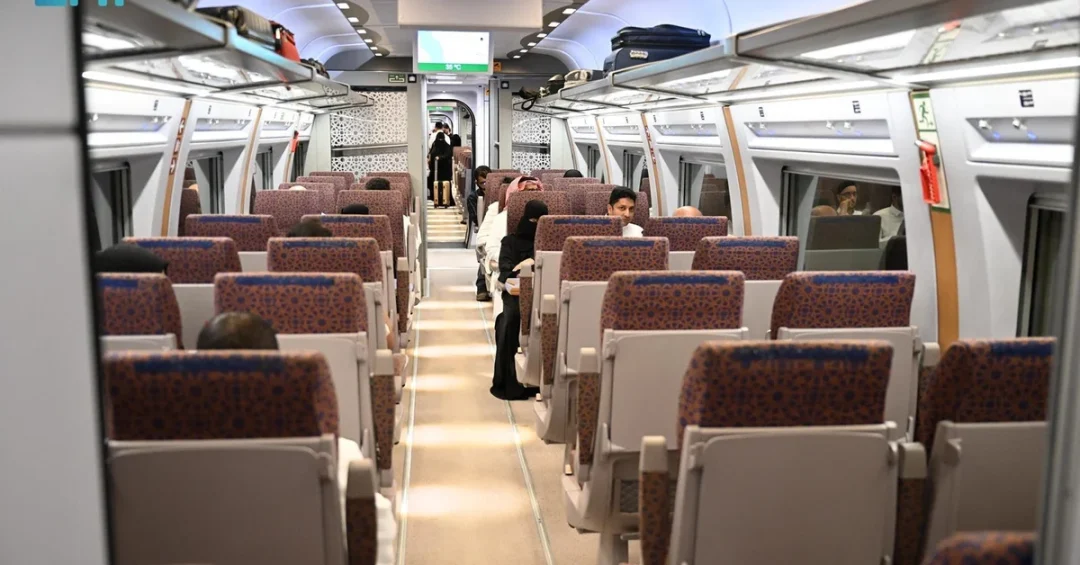
Saudi Arabia Railways (SAR) has announced that the Haramain High Speed Railway is fully prepared to receive pilgrims for the Hajj season 1445 AH, with a significant increase in capacity and an expanded operational plan across its five stations linking Makkah to Madinah. The announcement, released via the Saudi Press Agency (SPA), outlines a comprehensive strategy to facilitate the movement of pilgrims between the two holy cities, underscoring the Kingdom’s commitment to enhancing the pilgrimage experience through advanced infrastructure and efficient service.
Context and Background
The Haramain High Speed Railway, a flagship project of Saudi Arabia’s modernization efforts, spans 453 kilometres and connects Makkah, Jeddah, King Abdulaziz Airport, King Abdullah Economic City, and Madinah. Since its inception, the railway has served as a vital artery for pilgrims and citizens alike, offering a fast, reliable, and environmentally friendly mode of transport. Its role becomes particularly crucial during the Hajj season, when millions of pilgrims converge on the holy sites. The operational plan for this year reflects SAR’s ongoing commitment to improving capacity and service quality, building on previous successes and aligning with the goals of Saudi Vision 2030 to enhance the pilgrimage experience and showcase the Kingdom’s technological prowess.
Key Details
According to the official announcement, SAR has increased the number of seats available for Hajj pilgrims by approximately 100,000 compared to last year, bringing the total to 1.6 million seats. This expansion includes the addition of more than 430 new trips, raising the total number of scheduled trips to over 3,800 from the beginning of Dhu al-Qi’dah until Dhu al-Hijjah 19th. On peak days, the railway will operate 126 trips, ensuring smooth and efficient movement of pilgrims. The Haramain High Speed Railway, ranked among the 10 fastest electric trains globally, reaches speeds of 300 kilometres per hour and operates a fleet of 35 trains, each with a capacity of 417 seats. It runs on an environmentally friendly system with zero carbon emissions, contributing to the reduction of road traffic and the preservation of road infrastructure.
Implications and Impact
The increased capacity and expanded schedule are set to significantly enhance the pilgrimage experience by reducing wait times and providing reliable, comfortable transportation between Makkah and Madinah. This development also reflects Saudi Arabia’s broader efforts to manage large-scale religious tourism efficiently. The railway’s eco-friendly operations align with global sustainability goals, reducing the carbon footprint associated with pilgrim transport. Moreover, the improved connectivity supports economic growth by facilitating the movement of pilgrims, who contribute to the local economy. The operational plan demonstrates SAR’s ability to handle high volumes while maintaining safety and service excellence, reinforcing the Kingdom’s reputation as a leader in infrastructure and logistics.
Vision 2030 Alignment
This initiative is a clear manifestation of Saudi Vision 2030, which aims to diversify the economy, improve public services, and enhance the quality of life for citizens and visitors. By investing in world-class transportation infrastructure, Saudi Arabia not only elevates the Hajj experience but also strengthens its position as a global hub for religious tourism. The Haramain High Speed Railway stands as a testament to the Kingdom’s dedication to innovation and sustainability, paving the way for future projects that will further connect the nation and serve its guests. As Saudi Arabia continues to welcome millions of pilgrims annually, such advancements underscore its unwavering commitment to serving the Guests of God with excellence and foresight.
20 Questions
Q1. What did Saudi Arabia Railways announce regarding the Haramain High Speed Railway?
A1. Saudi Arabia Railways announced the readiness of the Haramain High Speed Railway to receive pilgrims for Hajj season 1445 AH, revealing an operational plan with increased capacity and an expanded schedule across its five stations linking Makkah to Madinah.
Q2. How many seats are available for Hajj pilgrims this year?
A2. The total number of seats available for Hajj pilgrims this year is 1.6 million, representing an increase of about 100,000 seats compared to last year, as part of efforts to accommodate more pilgrims efficiently.
Q3. How many additional trips have been added to the schedule?
A3. More than 430 new trips have been added to last year’s schedule, raising the total number of trips to over 3,800 from the beginning of Dhu al-Qi’dah until Dhu al-Hijjah 19th, ensuring greater frequency and convenience for pilgrims.
Q4. What is the peak daily number of trips during Hajj season?
A4. On peak days, the Haramain High Speed Railway will operate 126 trips, facilitating the smooth and timely movement of pilgrims between the holy cities and demonstrating the railway’s capacity to handle high demand.
Q5. What is the speed of the Haramain High Speed Railway?
A5. The Haramain High Speed Railway reaches speeds of up to 300 kilometres per hour, ranking it among the 10 fastest electric trains globally, ensuring rapid and efficient transportation for pilgrims and passengers.
Q6. How many trains are in the Haramain High Speed Railway fleet?
A6. The fleet consists of 35 trains, each with a capacity of 417 seats, providing a total seating capacity that supports the increased number of pilgrims and ensures comfortable travel between Makkah and Madinah.
Q7. What are the five stations of the Haramain High Speed Railway?
A7. The five stations are Makkah, Jeddah’s main station in Sulaymaniyah district, King Abdulaziz Airport station in Jeddah, King Abdullah Economic City, and Madinah, forming a vital network for pilgrims and travelers.
Q8. How does the railway contribute to environmental sustainability?
A8. The Haramain High Speed Railway operates on an environmentally friendly system with zero carbon emissions, reducing the carbon footprint of pilgrim transport and helping preserve road infrastructure by decreasing traffic congestion.
Q9. What is the length of the Haramain High Speed Railway?
A9. The railway spans 453 kilometres, connecting Makkah and Madinah via Jeddah and King Abdullah Economic City, serving as a crucial transportation link for pilgrims and citizens alike.
Q10. When does the operational plan for Hajj season begin and end?
A10. The operational plan covers the period from the beginning of Dhu al-Qi’dah until Dhu al-Hijjah 19th, encompassing the peak pilgrimage period and ensuring comprehensive service throughout the Hajj season.
Q11. How does the increased capacity benefit pilgrims?
A11. The increased capacity allows more pilgrims to travel comfortably and efficiently between Makkah and Madinah, reducing wait times and enhancing the overall pilgrimage experience through reliable and rapid transportation services.
Q12. What role does the railway play in preserving road infrastructure?
A12. By providing an alternative to road transport, the railway reduces the number of vehicles on roads, thereby decreasing wear and tear on road infrastructure and contributing to long-term cost savings and sustainability.
Q13. How does this initiative align with Saudi Vision 2030?
A13. The initiative aligns with Saudi Vision 2030 by enhancing public services, promoting sustainable development, and improving the quality of life for pilgrims and citizens, while showcasing the Kingdom’s commitment to advanced infrastructure and innovation.
Q14. What is the significance of the Haramain High Speed Railway for religious tourism?
A14. The railway significantly boosts religious tourism by offering fast, reliable, and comfortable transport for pilgrims, thereby enriching their spiritual journey and reinforcing Saudi Arabia’s position as a premier destination for Hajj and Umrah.
Q15. How does the railway handle the high volume of pilgrims during Hajj?
A15. Through an expanded schedule with over 3,800 trips and up to 126 trips on peak days, along with a fleet of 35 trains, the railway efficiently manages high passenger volumes while maintaining safety and service quality.
Q16. What are the economic benefits of the Haramain High Speed Railway?
A16. The railway stimulates economic growth by facilitating pilgrim movement, supporting local businesses, creating jobs, and enhancing connectivity between key cities, thereby contributing to the Kingdom’s economic diversification efforts.
Q17. How does the railway ensure passenger safety and comfort?
A17. The railway employs modern trains with advanced safety features, maintains rigorous operational standards, and provides comfortable seating, ensuring a safe and pleasant journey for all passengers, especially during the busy Hajj season.
Q18. What technological features make the Haramain High Speed Railway advanced?
A18. The railway utilizes high-speed electric trains capable of 300 km/h, operates with zero carbon emissions, and incorporates state-of-the-art signaling and management systems, reflecting Saudi Arabia’s embrace of cutting-edge technology.
Q19. How does the railway support the Kingdom’s sustainability goals?
A19. By operating with zero carbon emissions and reducing road traffic, the railway supports Saudi Arabia’s sustainability goals, aligning with global efforts to combat climate change and promote environmentally responsible transportation solutions.
Q20. What does the future hold for the Haramain High Speed Railway?
A20. The future holds further enhancements in capacity, speed, and service quality, as part of Saudi Arabia’s ongoing commitment to infrastructure development and Vision 2030, ensuring it remains a world-class transportation hub for pilgrims and travelers.
Reader Feedback
We value your thoughts. Please share your feedback on this article.
Your feedback helps us improve our coverage.