


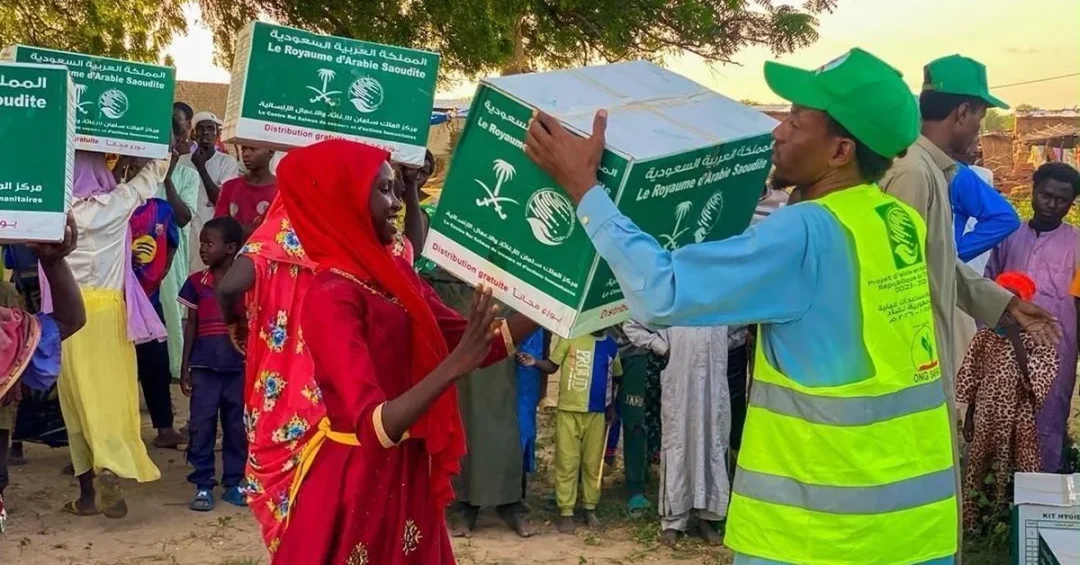
King Salman Humanitarian Aid and Relief Centre (KSrelief) has distributed 999 personal hygiene kits to vulnerable populations in the Hadjer-Lamis province of Chad, benefiting 5,994 people, as part of the 2026 personal hygiene kit distribution project in the Republic of Chad. The announcement was made via the Saudi Press Agency (SPA) on August 13, 2026, from N’Djamena.
Context and Background
This humanitarian gesture is part of the Kingdom of Saudi Arabia’s ongoing relief and humanitarian efforts, channeled through KSrelief, to assist needy, affected, and refugee populations worldwide. The aid underscores Saudi Arabia’s commitment to international solidarity and its role as a leading humanitarian donor, aligned with the principles of Islamic charity and global responsibility.
The Hadjer-Lamis province, located in southwestern Chad near the capital, faces significant challenges, including food insecurity, displacement, and limited access to basic sanitation. The distribution of hygiene kits addresses immediate needs, helping to prevent disease and improve living conditions for thousands of individuals, many of whom are internally displaced or refugees from neighboring countries.
Key Details
Each hygiene kit typically contains essential items such as soap, shampoo, toothpaste, sanitary pads, and other personal care products. The project, which began in 2026, aims to reach multiple provinces across Chad, targeting the most vulnerable communities. The distribution in Hadjer-Lamis marks a significant milestone, with 999 kits covering 5,994 beneficiaries, highlighting the scale of the operation.
According to the Saudi Press Agency, the aid is part of a broader program to support Chad, one of the world’s least developed countries, where humanitarian needs are acute. KSrelief, established in 2015, has implemented thousands of projects globally, with a focus on food security, health, water, sanitation, and hygiene (WASH), and emergency response.
Implications and Impact
The humanitarian assistance strengthens Saudi-Chadian relations, showcasing the Kingdom’s soft power and its commitment to fulfilling international obligations. For Chad, the kits provide immediate relief, reducing the risk of waterborne diseases and improving dignity for beneficiaries, particularly women and children.
Internationally, this effort reinforces Saudi Arabia’s reputation as a reliable partner in humanitarian action, complementing the work of UN agencies and other NGOs. It also aligns with global goals, such as the Sustainable Development Goals (SDGs), particularly those related to health, well-being, and clean water.
Vision 2030 Alignment
This humanitarian project reflects Saudi Arabia’s Vision 2030 ambitions, which emphasize the Kingdom’s role as a global leader in humanitarian aid and its commitment to international cooperation. By supporting vulnerable populations abroad, Saudi Arabia showcases its values of compassion and solidarity, enhancing its global standing and fostering diplomatic ties. As Vision 2030 progresses, the Kingdom continues to expand its humanitarian footprint, with KSrelief serving as a key instrument in translating these goals into tangible global impact.
20 Questions
Q1. What is KSrelief?
A1. KSrelief is the King Salman Humanitarian Aid and Relief Centre, a Saudi agency established in 2015 to coordinate and implement humanitarian aid projects worldwide, reflecting Saudi Arabia’s commitment to global relief efforts.
Q2. Where did the distribution take place?
A2. The distribution occurred in the Hadjer-Lamis province of Chad, a region with high humanitarian needs, including displaced populations and limited access to sanitation facilities.
Q3. How many hygiene kits were distributed?
A3. A total of 999 personal hygiene kits were distributed, each designed to serve multiple individuals, resulting in a significant reach within the community.
Q4. How many people benefited from the kits?
A4. The kits benefited 5,994 people, indicating that each kit supported approximately six individuals, maximizing the aid’s impact.
Q5. What items are typically in a personal hygiene kit?
A5. Kits usually contain soap, shampoo, toothpaste, toothbrushes, sanitary pads, and other essential personal care items to promote health and dignity.
Q6. Why is personal hygiene important in humanitarian settings?
A6. Good hygiene prevents infectious diseases, reduces health risks, and preserves dignity, particularly for vulnerable populations like women and children in crisis situations.
Q7. What is the purpose of the 2026 hygiene kit project in Chad?
A7. The project aims to provide essential hygiene supplies to vulnerable communities across Chad, improving living conditions and reducing health risks.
Q8. Who funds the project?
A8. The project is funded by Saudi Arabia through KSrelief, using state resources to support international humanitarian efforts.
Q9. How does this aid reflect Saudi Arabia’s foreign policy?
A9. It demonstrates Saudi Arabia’s soft power, emphasizing humanitarian assistance as a pillar of its international engagement, fostering goodwill and diplomatic ties.
Q10. Has KSrelief worked in Chad before?
A10. Yes, KSrelief has implemented various projects in Chad, including food security and health initiatives, consistently supporting the country’s vulnerable populations.
Q11. What is the significance of Hadjer-Lamis province?
A11. The province is among the most affected by poverty and displacement, making it a priority area for humanitarian intervention in Chad.
Q12. How were beneficiaries selected?
A12. Beneficiaries were identified in coordination with local authorities and humanitarian partners, targeting the most vulnerable groups, including refugees and internally displaced people.
Q13. Is this project part of a larger international effort?
A13. Yes, it aligns with international humanitarian principles and complements the work of UN agencies and NGOs operating in Chad.
Q14. What is the estimated cost of this distribution?
A14. The exact cost was not disclosed, but humanitarian kits typically range from $10–20 each, suggesting a modest investment with high impact.
Q15. How does KSrelief ensure aid reaches the intended people?
A15. KSrelief partners with local organizations and monitors distribution through field teams to ensure transparency and accountability.
Q16. What are the long-term goals of KSrelief in Chad?
A16. KSrelief aims to address immediate needs while supporting sustainable development projects, such as water systems and healthcare, to enhance resilience.
Q17. How does this aid contribute to Vision 2030?
A17. Vision 2030 includes enhancing Saudi Arabia’s global role in humanitarian aid, and projects like this showcase the Kingdom’s values and commitment to international solidarity.
Q18. What has been the response from Chadian authorities?
A18. Chadian authorities have welcomed the aid, expressing gratitude for Saudi Arabia’s support and acknowledging the positive impact on local communities.
Q19. How can individuals or organizations support such efforts?
A19. Individuals can donate to KSrelief’s official platforms, while organizations can partner through formal agreements to expand humanitarian reach.
Q20. What is the overall impact of KSrelief’s work?
A20. KSrelief has assisted millions across dozens of countries, saving lives and alleviating suffering, reinforcing Saudi Arabia’s leadership in humanitarian action and its commitment to global well-being.
Reader Feedback
We value your thoughts. Please share your feedback on this article.
Your feedback helps us improve our coverage.